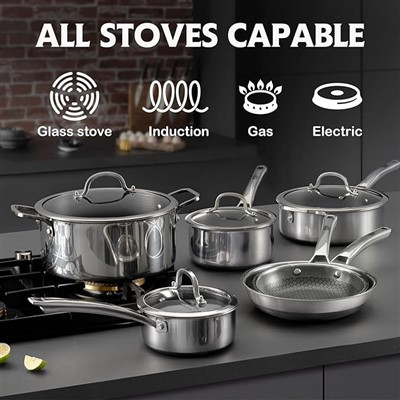
In the bustling world of kitchenware, stainless steel cookware stands out as a popular choice for its durability, corrosion resistance, and sleek appearance. As a supplier of high – quality stainless steel cookware, I’ve noticed a common question that customers often ask: How can one check if the stainless steel cookware is dishwasher – friendly? In this blog post, I’ll walk you through the key factors to consider and the methods to determine dishwasher suitability. Stainless Steel Cookware
Understanding the Basics of Stainless Steel
Before delving into dishwasher – friendliness, it’s essential to understand what stainless steel is. Stainless steel is an alloy composed primarily of iron, with a minimum of 10.5% chromium content. The chromium forms a passive layer on the surface of the steel, which protects it from rusting and corrosion. There are different grades of stainless steel used in cookware, such as 304 and 430, each with its own properties.
Grade 304 stainless steel is the most common type used in cookware. It contains about 18% chromium and 8% nickel, making it highly resistant to corrosion and staining. This grade is generally more likely to be dishwasher – friendly due to its superior corrosion resistance. On the other hand, grade 430 stainless steel, which has a lower nickel content (usually none), is more prone to staining and might not hold up as well in a dishwasher.
Factors Affecting Dishwasher – Friendliness
Coating and Finishes
Many stainless steel cookware pieces come with special coatings or finishes. Some are designed for non – stick purposes, while others are for aesthetic reasons. Non – stick coatings often have a delicate nature. Although some manufacturers claim their non – stick stainless steel cookware is dishwasher – safe, the harsh detergents and high – pressure water jets in dishwashers can gradually wear down the non – stick coating. This not only reduces the non – stick performance but can also expose the underlying stainless steel to potential damage.
Similarly, decorative finishes like brushed or polished surfaces can be affected by the abrasive action of dishwasher cycles. Brushed finishes can become less uniform, and polished surfaces may develop dull spots or scratches over time. When checking if a stainless steel cookware item is dishwasher – friendly, pay close attention to any coating or finish descriptions provided by the manufacturer.
Handle and Rivet Materials
The handles and rivets on stainless steel cookware are often made of different materials. For example, some handles might be made of plastic, wood, or a composite material. These materials are not always compatible with the high – temperature and harsh chemical environment inside a dishwasher. Plastic handles can warp or become brittle, while wooden handles can absorb moisture and crack. Rivets, especially those made of softer metals, can corrode or loosen in the dishwasher.
Before putting your stainless steel cookware in the dishwasher, check the handles and rivets. If they are not made of dishwasher – safe materials, it’s best to wash the cookware by hand to avoid damage.
Allergens and Special Features
Some stainless steel cookware is designed with additional features such as silicone gaskets or rubber seals. These components can be allergic to the detergents used in dishwashers or degrade over time due to the high – temperature exposure. Additionally, if the cookware has an integrated oven – safe or induction – compatible base, it’s important to ensure that these special features are not compromised by dishwasher use.
Methods to Check Dishwasher – Friendliness
Manufacturer’s Instructions
The most straightforward way to determine if your stainless steel cookware is dishwasher – friendly is to read the manufacturer’s instructions. These instructions are usually provided in the product manual or on a label attached to the cookware. If the manufacturer states that the cookware is dishwasher – safe, it means that it has been tested and designed to withstand the conditions inside a dishwasher.
However, it’s important to note that even if the manufacturer claims dishwasher safety, it’s still a good idea to follow some general guidelines. For example, you may want to avoid overcrowding the dishwasher, as this can cause the cookware to bang against each other and potentially scratch the surface.
Visual Inspection
Before using the dishwasher, carefully inspect the stainless steel cookware. Look for any signs of damage, such as scratches, dents, or chips. These damaged areas are more vulnerable to corrosion and can be exacerbated by dishwasher use. If you notice any damage, it’s best to wash the cookware by hand to prevent further deterioration.
Also, check the surface of the cookware for any discoloration or stains. Sometimes, certain types of food or cooking residues can react with the dishwasher detergent and cause discoloration. If you’re unsure whether a particular stain will be affected by the dishwasher, it’s advisable to pre – treat it or wash the cookware by hand.
Small – Scale Testing
If you’re still unsure about the dishwasher – friendliness of your stainless steel cookware, you can conduct a small – scale test. Select a less visible area of the cookware, such as the bottom or the inside edge. Place the cookware in the dishwasher and run a short, gentle cycle. After the cycle is complete, carefully examine the tested area for any signs of damage, such as changes in color, pitting, or scratching.
If the tested area shows no negative effects, it’s likely that the entire cookware can be safely washed in the dishwasher. However, if you notice any problems, it’s best to stick to hand – washing.
Maintenance Tips for Dishwasher – Safe Stainless Steel Cookware
Even if your stainless steel cookware is dishwasher – friendly, proper maintenance is crucial to ensure its longevity. Here are some tips:
- Use a gentle detergent: Choose a mild dishwasher detergent that is specifically formulated for stainless steel or for delicate cookware. Harsh detergents can contain chemicals that may damage the surface of the stainless steel over time.
- Load the dishwasher properly: Avoid overcrowding the dishwasher and make sure the cookware is not touching sharp objects or other hard surfaces. This can prevent scratches and dents.
- Rinse immediately after the cycle: Once the dishwasher cycle is complete, remove the cookware promptly and rinse it under warm water. This helps to remove any remaining detergent residue, which can cause spots or streaks if left on the surface.
Conclusion
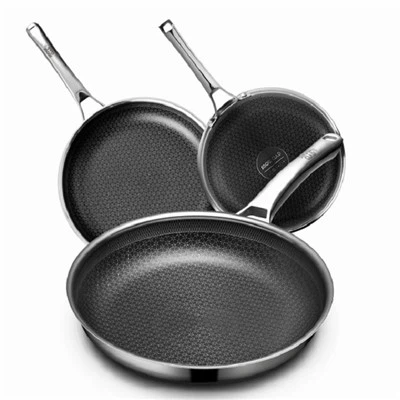
Determining whether stainless steel cookware is dishwasher – friendly requires a combination of understanding the material, checking the manufacturer’s instructions, and conducting visual inspections. As a stainless steel cookware supplier, I always recommend following the best practices to ensure the longevity and performance of your cookware.
Wok If you’re in the market for high – quality stainless steel cookware or have any questions about dishwasher – friendliness, I invite you to reach out to me. We can discuss your specific needs and find the perfect cookware solutions for your kitchen. Whether you’re a professional chef or a home cook, our range of stainless steel cookware is designed to meet your expectations and provide you with a seamless cooking experience.
References
- ASM Handbook Committee. (1990). ASM Handbook: Properties and Selection: Irons, Steels, and High – Performance Alloys. ASM International.
- Callister, W. D., & Rethwisch, D. G. (2010). Materials Science and Engineering: An Introduction. Wiley.
- The International Association of Culinary Professionals. (2018). Kitchen Equipment and Tools: A Pro’s Guide. Wiley.
Zhejiang Nanyue Kitchenware Co., Ltd.
We’re well-known as one of the leading stainless steel cookware manufacturers and suppliers in China, also support customized service. Please feel free to buy high quality stainless steel cookware made in China here and get pricelist from our factory. For price consultation, contact us.
Address: Located inside Zhejiang Jialiyuan Industry and Trade Co., Ltd. (Nanyue Kitchenware) in Jiangbin Industrial Zone, Tongqin Town, Wuyi County, Zhejiang Province.
E-mail: nanyuekitchenware@zj-jlypans.com
WebSite: https://www.nanyuecook.com/
