Zinc labels are a versatile and popular choice for many industries, offering a durable and long – lasting solution for labeling. As a supplier of zinc labels, I often get asked whether these labels can be used on metal surfaces. In this blog, I will explore this question in detail, looking at the properties of zinc labels, the characteristics of metal surfaces, and the factors that determine the suitability of using zinc labels on metal. Zinc Label
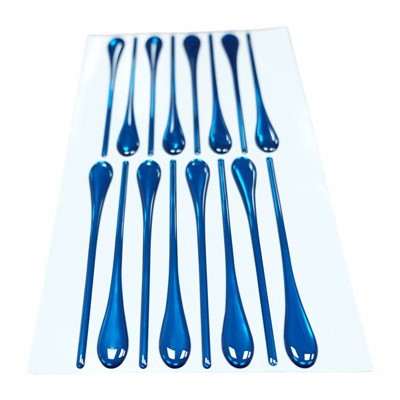
Properties of Zinc Labels
Zinc labels are known for their excellent durability. Zinc is a corrosion – resistant metal, which means that the labels can withstand harsh environmental conditions, including exposure to moisture, chemicals, and extreme temperatures. This makes them ideal for use in industrial settings, outdoor applications, and other situations where the label needs to last a long time.
In addition to their durability, zinc labels offer good printability. They can be engraved, etched, or printed using a variety of methods, allowing for clear and detailed labeling. The smooth surface of zinc provides a great base for printing, ensuring that the text and graphics remain legible over time.
Zinc labels also have a certain aesthetic appeal. They have a metallic sheen that gives them a professional and high – quality look. This can be particularly important in applications where the appearance of the label is as important as its functionality, such as in consumer products or high – end industrial equipment.
Characteristics of Metal Surfaces
Metal surfaces come in a wide variety of types, each with its own unique properties. Some common metals used in industrial and commercial applications include steel, aluminum, copper, and brass.
Steel is a strong and durable metal, but it is prone to rusting if not properly protected. Aluminum is lightweight and corrosion – resistant, making it a popular choice for many applications. Copper and brass have good electrical conductivity and a distinctive appearance.
The surface finish of the metal also plays an important role. Metal surfaces can be smooth, rough, polished, or textured. A smooth surface provides a better adhesion for labels, while a rough or textured surface may require a different approach to ensure proper bonding.
Factors Determining Suitability
Adhesion
One of the most important factors when using zinc labels on metal surfaces is adhesion. The label needs to stick firmly to the metal surface to ensure that it does not peel off or become dislodged. The adhesion of a zinc label to a metal surface depends on several factors, including the type of adhesive used, the surface preparation of the metal, and the environmental conditions.
There are different types of adhesives available for zinc labels, such as pressure – sensitive adhesives and permanent adhesives. Pressure – sensitive adhesives are easy to apply and can be removed without leaving a residue, but they may not be suitable for long – term use or in high – stress applications. Permanent adhesives, on the other hand, provide a stronger and more durable bond, but they are more difficult to remove.
Surface preparation is also crucial for good adhesion. The metal surface should be clean, dry, and free of any grease, oil, or dirt. This can be achieved by using a degreaser or a solvent to clean the surface before applying the label. In some cases, sanding or priming the metal surface may also be necessary to improve adhesion.
Compatibility
Another factor to consider is the compatibility between the zinc label and the metal surface. Some metals may react with the zinc in the label, causing corrosion or other problems. For example, if a zinc label is applied to a copper surface, a galvanic reaction may occur, which can lead to corrosion of the copper or the zinc.
To avoid compatibility issues, it is important to choose the right type of zinc label for the specific metal surface. In some cases, a protective coating or barrier may be needed to prevent direct contact between the zinc and the metal.
Environmental Conditions
The environmental conditions in which the label will be used also play a significant role. If the label is exposed to high humidity, extreme temperatures, or chemicals, it may affect the adhesion and durability of the label. For example, in a high – humidity environment, the adhesive may lose its strength, causing the label to peel off.
In outdoor applications, the label may be exposed to sunlight, which can cause the color of the label to fade over time. To ensure the longevity of the label, it is important to choose a zinc label that is designed to withstand the specific environmental conditions.
Applications of Zinc Labels on Metal Surfaces
Despite the challenges, there are many applications where zinc labels can be successfully used on metal surfaces.
Industrial Equipment
In the industrial sector, zinc labels are commonly used to label machinery, equipment, and control panels. These labels need to be durable and resistant to wear and tear, as well as chemical and environmental exposure. The corrosion – resistant properties of zinc make it an ideal choice for these applications.
Automotive Industry
In the automotive industry, zinc labels are used for various purposes, such as labeling parts, components, and vehicles. The labels need to be able to withstand the harsh conditions of the automotive environment, including high temperatures, vibrations, and exposure to chemicals.
Consumer Products
Zinc labels are also used in consumer products, such as electronics, appliances, and furniture. These labels not only provide important information but also add to the aesthetic appeal of the product.
Tips for Using Zinc Labels on Metal Surfaces
Choose the Right Adhesive
As mentioned earlier, the type of adhesive is crucial for good adhesion. Consider the specific application and environmental conditions when choosing an adhesive. For long – term use and high – stress applications, a permanent adhesive is recommended.
Prepare the Surface
Proper surface preparation is essential for ensuring good adhesion. Clean the metal surface thoroughly and, if necessary, sand or prime it to improve the bonding of the label.
Test the Label
Before applying the label to a large number of metal surfaces, it is a good idea to test the label on a small area. This will allow you to check the adhesion, compatibility, and durability of the label under the specific conditions.
Conclusion
In conclusion, zinc labels can be used on metal surfaces, but several factors need to be considered to ensure their successful application. The properties of zinc labels, such as durability, printability, and aesthetic appeal, make them a great choice for many applications. However, adhesion, compatibility, and environmental conditions are important factors that need to be carefully evaluated.
Label If you are in need of high – quality zinc labels for your metal surface applications, I invite you to contact me for a detailed discussion. We can work together to determine the best solution for your specific needs, ensuring that you get the most out of our zinc labels.
References
- "Handbook of Adhesives and Sealants" by Robert M. Parkyn
- "Corrosion and Corrosion Control" by Mars G. Fontana
- "Metals Handbook" by ASM International
Guizhou Mingguan Sign Nameplate Products Co., Ltd.
We’re well-known as one of the leading zinc label manufacturers and suppliers in China. With abundant experience, we warmly welcome you to wholesale bulk customized zinc label at low price from our factory. For quotation and free sample, contact us now.
Address: Xinpu New District, Zunyi City, Guizhou Province of China
E-mail: zhangyixuanmglabel@126.com
WebSite: https://www.mingguan-label.com/
