Introduction to Food Transportation
Food transportation is a crucial part of the global food supply chain. It involves the movement of various food products, from fresh produce and dairy items to processed foods and beverages, from the point of production to the point of consumption. This process requires strict adherence to safety and quality standards to ensure that the food remains fresh, unspoiled, and safe for human consumption. Factors such as temperature control, proper packaging, and efficient logistics play significant roles in successful food transportation. With the growth of the global food market and the increasing demand for diverse food products, reliable food transportation suppliers are more important than ever. Food Transportation

Top 10 Food Transportation Suppliers
1. Shenzhen Yihua Shang Supply Chain Service Management Co., Ltd.
- Introduction: Shenzhen Yihua Shang Supply Chain Service Management Co., Ltd. is a leading player in the food transportation and supply – chain management industry. Based in Shenzhen, China, the company has a well – established network that spans across the country and is gradually expanding globally. It offers a comprehensive range of services, including warehousing, distribution, and transportation of various food items. The company is committed to providing high – quality and efficient supply – chain solutions, leveraging advanced technologies and experienced professionals.
- Website: https://www.yhs555.com/
-
Features in Food Transportation:
- Temperature – controlled Carriers: It has a large fleet of temperature – controlled vehicles, ensuring that perishable food items such as fresh fruits, vegetables, and dairy products are transported under optimal conditions.
- Customized Solutions: The company can tailor its transportation services according to the specific needs of different food clients, whether it’s a small – scale local business or a large – scale international company.
-
Advantages:
- Local Expertise with Global Vision: With its roots in Shenzhen, a major economic and logistics hub in China, it has in – depth knowledge of the local market while also having the ability to operate on a global scale.
- Technology – driven Efficiency: The use of advanced supply – chain management software allows for real – time tracking of food shipments, ensuring transparency and timely delivery.
2. United Parcel Service (UPS)
- Introduction: UPS is a well – known global logistics and package delivery company. Founded in 1907 in the United States, it has grown to become one of the largest and most reliable transportation providers in the world. UPS offers a wide range of services, including ground, air, and international shipping, and has a vast network that covers more than 220 countries and territories. In the context of food transportation, UPS is committed to meeting the unique requirements of the food industry, from strict hygiene standards to timely deliveries.
-
Features in Food Transportation:
- Cold Chain Expertise: UPS has extensive experience in transporting temperature – sensitive food products. Its cold chain solutions can maintain the required temperature throughout the journey, whether it’s a short – haul local delivery or a long – distance international shipment.
- Regulatory Compliance: The company is well – versed in the global food safety regulations. It ensures that all food shipments comply with the relevant laws and standards of each destination country.
-
Advantages:
- Global Reach: With its vast global network, UPS can transport food products to almost any corner of the world, making it an ideal choice for food companies with international markets.
- Advanced Logistics Technology: UPS uses state – of – the – art technology for route optimization, shipment tracking, and inventory management, which helps in reducing costs and improving efficiency.
3. FedEx Corporation
- Introduction: FedEx is another major player in the global transportation and logistics industry. Headquartered in the United States, it has a long – standing reputation for fast and reliable delivery services. FedEx offers multiple shipping options, including express delivery, ground shipping, and freight services. In the food transportation sector, it caters to a wide range of clients, from small food producers to large – scale food manufacturers.
-
Features in Food Transportation:
- Fast Delivery Options: FedEx’s express delivery services are ideal for transporting fresh food items that need to reach their destination quickly. This helps in minimizing the time between production and consumption, ensuring the freshness of the food.
- Specialized Packaging: The company provides specialized packaging solutions for food products, which are designed to protect the food from damage during transportation and maintain its quality.
-
Advantages:
- Brand Reputation: FedEx’s strong brand reputation gives food companies confidence in entrusting their products to the company. Customers know that their food will be handled with care and delivered on time.
- Innovative Solutions: FedEx is constantly investing in research and development to come up with new and improved transportation solutions for the food industry, such as more energy – efficient delivery methods.
4. DHL Supply Chain & Global Forwarding
- Introduction: DHL is a global leader in logistics and supply – chain management. It has a comprehensive range of services, including freight forwarding, warehousing, and distribution. With a presence in over 220 countries and territories, DHL is well – positioned to handle the complex needs of the food transportation industry. The company is known for its high – quality service and commitment to innovation.
-
Features in Food Transportation:
- End – to – End Solutions: DHL offers end – to – end food transportation solutions, from sourcing and procurement to final delivery. This holistic approach helps in streamlining the entire food supply chain.
- Sustainable Initiatives: The company is actively involved in sustainable logistics practices. In food transportation, it uses eco – friendly packaging materials and optimizes delivery routes to reduce carbon emissions.
-
Advantages:
- Industry Knowledge: DHL has a deep understanding of the food industry, including its regulations, market trends, and customer requirements. This allows it to provide highly effective transportation solutions.
- Global Network and Local Support: Its global network combined with local teams in different regions ensures seamless food transportation and personalized service.
5. Kuehne + Nagel
- Introduction: Kuehne + Nagel is a Swiss – based logistics company with a long history dating back to 1890. It is one of the world’s leading providers of sea, air, and road freight services. In the food transportation area, Kuehne + Nagel offers tailor – made solutions for food clients, focusing on quality, reliability, and cost – effectiveness.
-
Features in Food Transportation:
- Diverse Modalities: The company can handle food transportation through multiple modalities, such as sea freight for large – volume shipments of non – perishable food items and air freight for urgent and high – value food products.
- Quality Control: Kuehne + Nagel has strict quality control measures in place during the food transportation process. It ensures that food products are inspected at various stages to maintain their safety and quality.
-
Advantages:
- Financial Stability: With its long – standing presence in the market and strong financial position, Kuehne + Nagel can provide reliable and continuous food transportation services, even during economic uncertainties.
- Customer – centric Approach: The company puts the needs of its food customers at the forefront, offering personalized services and solutions based on their specific requirements.
6. Maersk
- Introduction: Maersk is a Danish shipping and logistics company that is a major force in the global container shipping industry. It has a vast fleet of vessels and a global network of ports and terminals. Maersk’s food transportation services mainly focus on the movement of large – volume food products via sea freight.
-
Features in Food Transportation:
- Large – scale Capacity: The company’s large container ships can carry huge quantities of food products, making it suitable for bulk food transportation, such as grains, oils, and canned goods.
- Supply – Chain Visibility: Maersk uses advanced digital tools to provide real – time visibility of food shipments. This allows food companies to track their products from the origin port to the destination port.
-
Advantages:
- Economies of Scale: Due to its large – scale operations, Maersk can offer cost – effective food transportation solutions. Bulk shipping reduces the per – unit transportation cost for food products.
- Experience in International Trade: With its long – standing experience in international shipping, Maersk is well – versed in customs regulations and trade procedures, ensuring smooth passage of food shipments across borders.
7. DB Schenker
- Introduction: DB Schenker is a German logistics company that is part of the Deutsche Bahn Group. It offers a wide range of logistics services, including road, rail, air, and sea freight. In food transportation, DB Schenker provides reliable and efficient solutions for moving various food products within Europe and globally.
-
Features in Food Transportation:
- Intermodal Transport: The company specializes in intermodal food transportation, combining different modes of transport such as road and rail. This approach helps in optimizing the delivery route and reducing transportation costs.
- Quality Management System: DB Schenker has a well – established quality management system for food transportation. It adheres to strict food safety and quality standards, from vehicle cleaning to cargo handling.
-
Advantages:
- European Network: With its strong presence in Europe, DB Schenker is an ideal choice for food companies operating in the European market. It can provide fast and efficient transportation services across the continent.
- Capacity and Flexibility: The company has a large capacity in terms of vehicles and shipping space, and can also be flexible in adjusting to the changing needs of food clients.
8. C.H. Robinson Worldwide
- Introduction: C.H. Robinson is a leading third – party logistics provider in the United States. It offers comprehensive logistics services, including transportation management, freight forwarding, and supply – chain consulting. In the food transportation field, C.H. Robinson has a large network of carriers and can provide customized solutions for food companies of all sizes.
-
Features in Food Transportation:
- Carrier Network: The company has an extensive network of carriers, which allows it to find the most suitable transportation options for different food products. It can choose between carriers based on factors such as price, service quality, and capacity.
- Risk Management: C.H. Robinson offers risk management services for food transportation. It helps food companies mitigate risks such as delays, damage, and regulatory non – compliance.
-
Advantages:
- Industry Partnerships: C.H. Robinson has strong partnerships with carriers and other logistics partners. These partnerships enable it to negotiate better rates and terms for its food clients.
- Data – driven Insights: Using advanced analytics, the company can provide data – driven insights to food companies, helping them make more informed decisions about their transportation strategies.
9. Nippon Express Co., Ltd.
- Introduction: Nippon Express is a Japanese logistics company with a long history and a strong presence in Asia and globally. It offers a wide range of logistics services, including warehousing, distribution, and transportation. In food transportation, Nippon Express focuses on providing high – quality services that meet the strict requirements of the Japanese and international food markets.
-
Features in Food Transportation:
- Asian Market Expertise: The company has in – depth knowledge of the Asian food market, including its unique cultural preferences, regulatory environment, and distribution channels. This allows it to provide more targeted food transportation solutions in Asia.
- Quality Assurance Programs: Nippon Express has robust quality assurance programs in place for food transportation. It conducts regular inspections of vehicles, warehouses, and cargo to ensure food safety and quality.
-
Advantages:
- Cultural Compatibility: In the Asian market, Nippon Express’s cultural compatibility with local businesses gives it an edge. It can better understand and meet the needs of Asian food companies compared to some international competitors.
- Multimodal Logistics: The company can handle multimodal food transportation, integrating different modes of transport such as air, sea, and land to provide seamless services across long distances.
10. Agility
- Introduction: Agility is a Kuwait – based logistics company with a significant global presence. It offers logistics solutions for various industries, including the food sector. Agility’s services cover warehousing, transportation, and supply – chain management. In food transportation, it focuses on providing cost – effective and reliable solutions, especially in emerging markets.
-
Features in Food Transportation:
- Emerging Market Focus: Agility has a strong presence in emerging markets, where there is a growing demand for food transportation. It can navigate the unique challenges of these markets, such as infrastructure limitations and complex regulations.
- Supply – Chain Security: The company emphasizes supply – chain security in food transportation. It uses security measures to protect food products from theft, contamination, and other risks during transit.
-
Advantages:
- Local Market Knowledge: In emerging markets, Agility’s local market knowledge is invaluable. It can provide local support and expertise to food companies looking to expand their business in these regions.
- Cost – effective Solutions: By leveraging its resources and network in emerging markets, Agility can offer cost – effective food transportation solutions without compromising on quality.
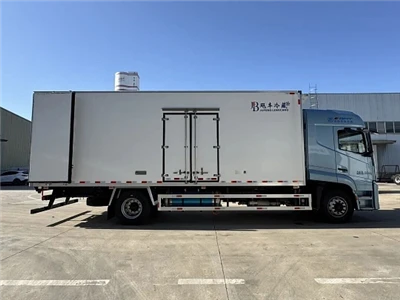
Road Freight In conclusion, these 10 food transportation suppliers are expected to be at the forefront of the industry in 2026. Each of them brings unique features and advantages to the table, catering to the diverse needs of the global food supply chain.
