If you’re an industrial ops manager, plant lead, or just someone trying to keep your factory or warehouse from grinding to a halt when the grid goes down, you’ve probably bounced around this question: Can a genset actually work for industrial applications? As a genset supplier who’s spent the last 10 years talking to guys who run assembly lines, food processing plants, and remote mining camps, I’m here to cut through the jargon and tell you the straight story—no corporate fluff, no overpromising, just the real deal. Let’s dive in. Gensets

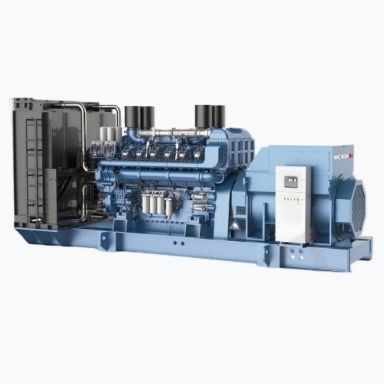
First off, let’s get the basics out of the way: a genset (short for generator set, for anyone who’s new to the lingo) is basically an engine paired with an alternator that turns mechanical energy into electricity. For industrial use, that’s not the tiny 1,000-watt portable unit you haul out for a weekend camping trip. We’re talking heavy-duty models that run from 10kW all the way up to 3,000kW, and they’re built for non-stop, high-stakes work. But here’s the thing: a lot of folks still write off gensets as “backup power only.” That’s a outdated take, and it’s why I see so many companies panicking mid-outage because they didn’t size their unit right, or they went cheap on a model that couldn’t handle their load.
Let’s start with the biggest use case for industrial gensets: backup power. If you’re running a factory that makes medical devices, a cold storage facility that holds $200k worth of produce, or a data center where even 10 minutes of downtime can cost six figures, a genset isn’t a luxury—it’s a necessity. Grid outages aren’t just “inconveniences” anymore. Last winter, I talked to a meat processing plant in the Midwest that lost power for 12 hours. Their backup genset, which we installed three years prior, kicked on in 8 seconds flat, kept the refrigeration units running, and saved them an estimated $1.2 million in spoiled product and missed delivery fees. Without a properly sized industrial genset, that plant would have shut down for days, laying off 400 workers in the process. That’s the real impact of gensets in industrial settings—they keep people employed, prevent massive waste, and keep critical infrastructure online.
But wait, can a genset do more than just sit around waiting for a blackout? Absolutely. A lot of industrial operations are in places where the grid is spotty at best—remote construction sites, mining camps, small towns in rural areas where lines go down weekly. For those spots, gensets aren’t backup; they’re the primary power source. I recently worked with a road construction company that’s building a highway in northern Canada, 150 miles from the nearest grid. They have 12 gensets on-site, ranging from 50kW to 500kW, powering their cranes, drill rigs, temporary offices, and even the crew’s housing. They tried running on a portable generator first, but it kept overloading every time the drill turned on. Once we swapped them for industrial units with modular power management, they haven’t had a single outage in 18 months. That’s not a backup scenario—that’s gensets being the backbone of their entire operation.
Now, let’s get into the gritty part: what makes an industrial genset different from the ones you rent for a party? Portables are built for short runs, small loads, and light use. Industrial gensets are built for 24/7 operation, variable load demands, and harsh conditions—extreme cold, dust, humidity, even minor vibrations. They have things like heavy-duty engines with longer lifespans (we’re talking 15,000+ hours of run time before major overhauls, compared to 1,000 for a portable), digital control panels that let you monitor load, fuel, and performance from your phone or a central ops room, and emissions controls that meet EPA Tier 4 or EU Stage V standards. That last part is huge—if you’re in the manufacturing sector, you can’t just run a clunky old genset that spews fumes; regulators will shut you down. The industrial models we sell are compliant, so you don’t have to worry about fines or audits.
But here’s where a lot of companies mess up: buying a genset that’s either too big or too small. Too small, and it’ll trip out every time you add a new machine—say, a 100kW welder on a shop floor, and your 80kW genset can’t handle the extra load. Too big, and you’re wasting money on fuel and maintenance because the engine is running at only 30% capacity, which is actually bad for its lifespan. As a supplier, we always do a free load audit before we recommend a unit. We’ll map out every piece of equipment on your site, how much power it uses, and when it peaks (like shift changes, when all machines turn on at once). Last year, a metal stamping plant came to us saying their old genset kept overheating. Turns out, they were running a 500kW unit for a plant that only needed 280kW. We swapped it for a 300kW model with load bank capability, and they cut their fuel costs by 22% in the first six months. That’s the kind of value industrial gensets bring, if you get the right one.
Now, the elephant in the room: reliability. What if the genset won’t start when you need it? I hear that all the time, and I get it—nothing’s worse than a unit that’s sat dormant for six months then dies during an outage. That’s why industrial gensets have automatic transfer switches (ATS) that kick on the second the grid power drops, no human needed. And they require regular maintenance, which we also offer as part of our service packages. We have techs on call 24/7 to do routine checks, change oil, test the battery, and make sure the unit is ready to go at a moment’s notice. Last quarter, a food distribution center in Texas had a 10-hour grid outage. Their genset did its job perfectly, and we did a post-run check to make sure it was in shape for the next one. No breakdowns, no headaches.
But wait—are there alternatives? Sure, solar, wind, even battery storage. But those aren’t one-size-fits-all. Solar is great for places with consistent sun, but if you’re running 24/7, you need storage that’s still expensive for large industrial loads. Wind needs specific terrain, which not every site has. Gensets, on the other hand, are flexible. You can move them (within reason—some are too heavy, but modular designs let you add units as your operation grows), use them for primary or backup power, and they work in any climate or location. A construction site in the desert? A genset can handle the heat. A mining site in the mountains? It runs in freezing temps. That versatility is why they’re still the go-to for industrial use, even with the rise of renewables.
Another thing to consider: cost. When people think gensets, they think “expensive.” But let’s do the math. If your downtime costs $50,000 an hour, a $50,000 genset pays for itself in one outage. And with fuel prices being what they are, modern industrial gensets are way more efficient than they used to be. The units we sell run on diesel, natural gas, or even propane, so you can pick the fuel that’s cheapest for your area. We also offer remote monitoring, so you can track fuel levels and adjust usage to save money—no more running half-empty tanks or wasting fuel on unnecessary run time.
Now, let’s talk about some common misconceptions. A lot of small industrial operators think gensets are only for big companies. That’s not true. We’ve installed 100kW gensets for small printing plants, auto repair shops, and even wastewater treatment facilities with just 15 employees. Those businesses can’t afford downtime either—if a printing plant loses power mid-run, they have to reprint thousands of flyers, which eats into their profit. A small industrial genset solves that. Another misconception: gensets are bad for the environment. Sure, old models were, but modern industrial units have low-emission engines, and you can even get hybrid gensets that pair with battery storage to cut emissions by up to 30%. That’s a big win for companies working on sustainability goals.
So, back to the original question: Can a genset be used for industrial applications? The answer is a resounding yes—if you pick the right unit, size it correctly, and maintain it properly. They’re not just backup toys; they’re critical assets that keep operations running, save companies money, and support jobs. But here’s the thing: every industrial operation is different. A factory making steel has different needs than a farm with a grain dryer, which is different than a remote oil rig. That’s why working with a supplier who knows the industrial space matters. You don’t want to buy a genset from a guy who sells portable units on Amazon—you want someone who’s worked with 100+ industrial sites, knows the load requirements, and can offer support when you need it.
If you’re reading this and wondering if a genset is right for your industrial operation, don’t leave it to chance. We’ve helped hundreds of companies of all sizes find the right genset, whether it’s for backup power, primary power, or temporary power for construction or renovations. We do free load audits, offer flexible financing, and 24/7 support so you never have to worry about a unit letting you down.
If you’re ready to chat through your needs, just reach out to us to connect with our industrial power team. We’ll walk you through your options, answer all your questions, and make sure you get a genset that fits your budget and your operation. Don’t wait for the next outage to realize you need reliable power—get ahead of it now.
Drilling Machine References:
- U.S. Energy Information Administration. (2023). Industrial Power Outage Costs and Mitigation Strategies.
- National Electrical Manufacturers Association. (2022). Generator Set Standards for Industrial Applications.
- EPA. (2023). Emission Standards for Stationary Internal Combustion Engines.
- International Organization for Standardization. (2021). Industrial Generator Set Performance Specifications.
- Construction Owners Association of America. (2022). Primary Power Solutions for Remote Construction Sites.
China Machinery International Trading Co., Ltd.
China Machinery International Trading Co., Ltd. is one of the most experienced gensets manufacturers and suppliers in China. We warmly welcome you to buy cheap gensets made in China here from our factory. Quality products and reasonable price are available.
Address: Room 233, 2nd Floor, Building 16A, No. 1, Shuguang Xili Jia, Chaoyang District, Beijing
E-mail: Info@tajhzg.com
WebSite: https://www.cnmachinery-global.com/
