If you’ve wandered the coffee aisle of any grocery store in the last decade, you’ve probably spotted them: coffee bags labeled “biodegradable,” “compostable,” or “made from plant-based materials.” As a supplier of coffee packaging, I get asked this question at least a dozen times a week: Are these bags actually better for the environment, or just greenwashing? Coffee Bag
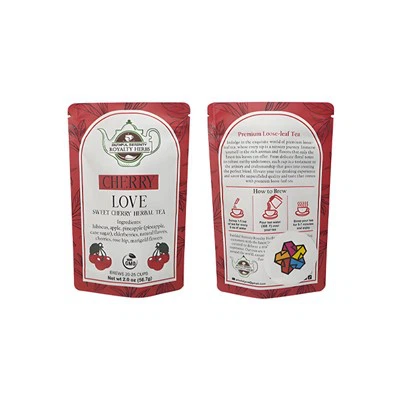
Let me start with a little backstory: I launched my coffee bag business back in 2014, when single-use plastic coffee bags were the industry standard. Back then, no one was talking about plastic pollution or compostability—most of our work was just helping roasters keep their beans fresh long enough to reach customers. That all shifted around 2018, when a few local roasters came to us asking for an alternative to the laminated plastic bags they’d been using. They’d seen news stories about ocean plastic, and their customers were starting to demand packaging that didn’t end up in landfills. We didn’t know much about biodegradable materials back then, so we spent months testing different options, talking to compost scientists, and working with roasters to make sure the new bags actually kept beans fresh. That hands-on experience, I think, gives me a perspective a lot of articles don’t have: it’s not just about what a bag is made of, it’s about where it goes when you’re done with it.
First, let’s clear up some definitions, because this is where a lot of the confusion comes in. “Biodegradable” means a material can break down naturally into water, carbon dioxide, and biomass, usually with the help of microbes. But here’s the catch: it doesn’t say how fast it breaks down, or where it can break down. A plastic bag might technically be biodegradable if it takes 100 years to decompose in a landfill—that’s not helpful. Then there’s “compostable,” which is a more specific term. Compostable materials need to break down in a commercial compost facility within 180 days, leaving no toxic residue, and they have to meet standards set by groups like the Biodegradable Products Institute (BPI). A lot of brands slap “biodegradable” on their bags when they’re actually only compostable in industrial settings, not in your backyard bin. That’s not a small detail for coffee bags, because most of them end up in landfills, curbside compost, or the trash for recycling—rarely in an industrial compost facility, especially in rural areas.
Now, let’s talk about the science of what happens to these bags in different environments. Take a standard laminated plastic coffee bag: it’s usually a mix of polyethylene (PE) and aluminum foil, designed to keep air and moisture out. That combination means it’s almost impossible to recycle in most curbside programs—recyclers can’t separate the layers easily, so it often gets sent to a landfill. In a landfill, it takes 20 to 30 years to break down, if it breaks down at all, and it releases microplastics as it does. Those microplastics don’t just disappear; they end up in soil, water, and even the food we eat. A 2022 study from the University of California found that single-use plastic packaging, including coffee bags, makes up 17% of all microplastic pollution in U.S. landfills. That’s a big number when you consider how many millions of coffee bags are used every year.
Now, compare that to a certified compostable coffee bag, which most coffee bag suppliers (including us) offer now. These bags are usually made from plant-based materials like PLA (polylactic acid, derived from corn starch or sugarcane) or paper lined with a plant-based coating instead of plastic. In an industrial compost facility, where temperatures hit 130 to 170 degrees Fahrenheit and there’s a constant mix of moisture and microbes, these bags break down in 90 to 120 days—faster than a banana peel in the same setting, actually. But here’s the problem: only about 10% of U.S. curbside compost programs accept compostable packaging, according to the Compost Manufacturing Alliance. Most people don’t have access to industrial composting, so if they toss a compostable coffee bag in their backyard bin, it might not break down at all. Backyards are usually too cool, and there’s not enough oxygen for the microbes to work. A 2021 study from Oregon State University found that PLA bags left in backyard soil took more than two years to break down, and even then, they left small plastic fragments. That means a compostable bag that ends up in a backyard is almost as bad as a regular plastic bag.
What about home-compostable options? There are a handful of materials labeled for home composting, which break down at lower temperatures. But right now, very few of these are durable enough for coffee bags. Coffee beans need protection from air and moisture to stay fresh—if a bag is too porous, the beans go stale in a week. Home-compostable materials just don’t have the barrier properties of PLA or laminated plastic, so roasters would lose a huge part of their shelf life if they switched to those. That’s a dealbreaker for most roasters, especially small to mid-sized ones that need their beans to travel to cafes across the country.
Then there’s the recycling angle. Wait, can biodegradable coffee bags be recycled? Short answer: no, not in most curbside recycling programs. PLA is a type of plastic, but it’s not the same as the PET or HDPE that most recyclers take. It contaminates other plastic recycling batches, because it melts at a different temperature. If a recycling center gets a PLA bag mixed in with regular plastic, the whole batch might get rejected and sent to a landfill. That’s a problem we’ve run into a lot with clients: a roaster will come to us wanting a green packaging option, and they think recycling is the answer, but if the bag’s biodegradable, it’s not recyclable. So it’s a trade-off: recyclable plastics are often less eco-friendly in the end because they’re made from fossil fuels, while biodegradable bags aren’t recyclable.
Now, I don’t want to sound like biodegradable coffee bags are a total scam, because they’re not. But they’re not a one-size-fits-all solution. Let’s talk about what they do well. For roasters that can access industrial composting (think cafes in cities like San Francisco or Portland that have curbside compost), these bags are a way to cut down on their packaging waste. We had a client in Seattle last year who switched to our BPI-certified compostable bags, and their packaging waste going to landfills dropped by 82% in the first six months. That’s a real win. Also, the plant-based coatings on these bags use less fossil fuel than laminated plastic bags. A 2020 life cycle assessment from the University of Stuttgart found that compostable coffee bags generate 30% less carbon dioxide over their lifetime than regular plastic bags, even when you account for the energy used to grow the plant materials. That’s a big environmental benefit, especially as more brands are looking to cut their carbon footprint.
But here’s where we, as coffee bag suppliers, have a responsibility to be transparent. A lot of brands use “biodegradable” as a marketing buzzword without telling customers what that actually means. We don’t do that. Every time we send a sample to a new client, we include a sheet explaining: if your customers have curbside compost that accepts commercial compostable materials, this bag is great. If not, we recommend another option, like a 100% recyclable paper bag with a thin plastic lining that’s accepted in local recycling centers, even if it’s not “biodegradable.” That might sound counterintuitive, but it’s more eco-friendly for some roasters than a compostable bag that’ll end up in a landfill anyway.
I’ve seen too many brands jump on the biodegradable bandwagon without doing their homework. Last year, a roaster came to us because they’d been using a “biodegradable” bag they ordered from a big online supplier, and their beans were going stale in two weeks. When we tested the bag, the plant-based coating was too thin—no barrier to oxygen or moisture. That’s a lose-lose: the roaster loses customers who get stale coffee, and the bag ends up in a landfill anyway because it doesn’t work. As a supplier, we test every material we use for shelf life, because a bag that keeps beans fresh is just as important as a bag that’s eco-friendly. If your packaging doesn’t do its main job, none of the environmental benefits matter.
So, are biodegradable coffee bags better for the environment? The answer is: it depends. They’re better than laminated plastic bags that never break down, but only if they can be composted in the right conditions. If they end up in a landfill or a backyard, they’re not much better than regular plastic. That’s why we work with our clients to create custom packaging plans, not just sell them a bag. For roasters with access to industrial compost, we push compostable bags. For roasters in areas with no compost, we work with recyclers to offer bags that are accepted in local programs, even if they’re not labeled “biodegradable.” For small roasters selling only locally, we even have a reusable tin option that customers can return, which cuts packaging waste to almost zero.
I think the biggest mistake the packaging industry makes right now is treating “biodegradable” as the only measure of good packaging. The environment isn’t that simple. A bag that’s made from plant-based materials and composted in a facility is great, but a bag that’s recycled into another product and used again is also great. What matters is closing the loop: packaging shouldn’t be a throwaway item. That’s why we’re investing in a new line of coffee bags made from 100% post-consumer recycled plastic, which is recyclable and doesn’t require new fossil fuels. We tested them last year, and they keep beans just as fresh as laminated plastic. They’re not biodegradable, but they’re better for places where compost isn’t an option.
At the end of the day, the question isn’t whether biodegradable coffee bags are “better.” It’s whether they’re the right choice for your specific situation. If you’re a roaster whose customers have curbside compost, yes—they’re a big step up. If you’re based in a rural area with no compost, maybe a recyclable bag is a better bet. If you’re a small local roaster, a reusable option might be best. As a coffee bag supplier, we don’t tell clients what to choose. We give them the facts, test the materials, and help them pick what works for their business and their customers.
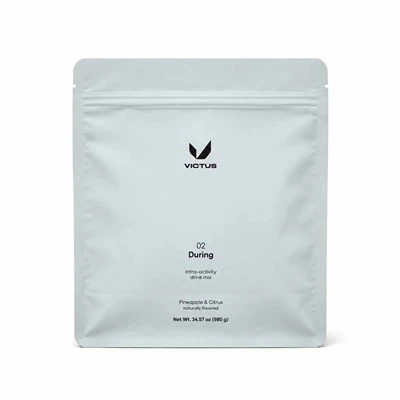
If you’re a roaster looking to switch to more eco-friendly packaging, or you just have questions about what’s actually in a coffee bag, I’m here to help. We’ve been in this industry long enough to know that there’s no one perfect solution, but there’s always a better way. Let’s talk about your needs, and find a packaging option that works for you and the planet.
Kraft Paper Bag References
- University of California, Santa Barbara. (2022). Microplastic Pollution from Single-Use Coffee Packaging in U.S. Landfills.
- Compost Manufacturing Alliance. (2023). Curbside Compost Access for Commercial Compostable Packaging in the U.S.
- Oregon State University. (2021). Degradation Rates of PLA-Based Materials in Backyard Soil Environments.
- University of Stuttgart. (2020). Life Cycle Assessment of Compostable vs. Traditional Laminated Coffee Bags.
Shandong Lepu Digital Printing Co., Ltd.
Shandong Lepu Digital Printing Co., Ltd. is one of the most professional coffee bag manufacturers and suppliers in China, specialized in providing high quality customized service. We warmly welcome you to buy high-grade coffee bag made in China here from our factory.
Address: 500 meters north of the intersection of Huaihai 2nd Road and Xiwu Road, Junan County, Linyi City, Shandong Province
E-mail: sales01@lepupac.com
WebSite: https://www.lepupouch.com/
