If you’ve worked with structural steel—whether you’re a contractor, fabricator, or fellow steel supplier—you know that C channels are workhorses. They’re used for everything from wall framing in commercial builds to support beams in agricultural equipment, and their durability is non-negotiable. But let’s talk about a problem that’s easy to overlook: the cut ends of C channels. These open, sharp edges, left exposed after cutting to size, are corrosion’s favorite entry point. Even the highest-grade steel, if its ends are neglected, will start to rust prematurely, weakening the structure and costing you or your client thousands in repairs or replacements. As a C channel supplier with 12 years in the game, I’ve seen this mistake too many times. Today, I’m breaking down exactly how to seal those ends the right way, so you or your projects don’t fall victim to preventable corrosion. C Channel
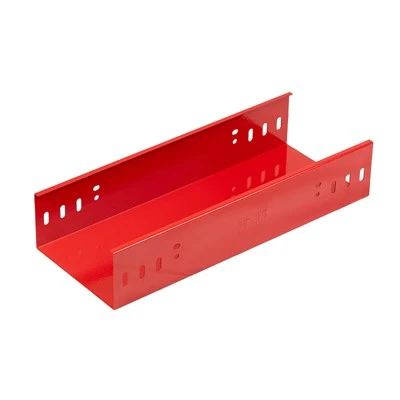
First, let’s get one thing straight: why are C channel ends such a corrosion hotspot? When steel is milled, it’s coated with a thin layer of zinc (for galvanized steel) or oil, designed to protect against rust. But when you cut a C channel to fit a specific space—say, trimming 2 inches off a 10-foot beam to align with a header—you slice through that protective coating. The cut end has bare steel, no zinc, no oil, exposed to moisture, road salt, humidity, whatever environment it’s in. Over time, that bare steel starts to oxidize, and the rust expands, eating away at the channel’s core. For a C channel that’s load-bearing, even a small amount of rust at the ends can reduce its structural capacity by up to 15% over five years, according to the Steel Structures Education Foundation (SSEF). That’s a big deal for projects like bridge supports or industrial floor beams, where structural integrity isn’t optional.
Now, let’s walk through the methods I’ve tested and stood by over the years, sorted by material and application, because one size definitely doesn’t fit all.
-
Hot-Dip Galvanizing Touch-Up for Cut Ends (Best for Exterior Structural C Channels)
Hot-dip galvanizing is the gold standard for protecting C channels, especially those used outdoors, like for siding supports, farm equipment, or bridge components. The process coats the entire steel piece with a thick, bonded zinc layer that can last 50+ years in mild climates. But as I mentioned, cutting breaks that layer. The fix here isn’t another full dip (that’s costly and time-consuming for custom-cut pieces)—it’s zinc-rich primer, specifically designed for hot-dip galvanized steel.
Here’s how to do it right: First, clean the cut end thoroughly. Any rust, mill scale, or dirt will keep the primer from adhering. I use a wire brush with a 4-inch angle grinder attachment for speed, followed by a wipe with denatured alcohol to get rid of oil residue that might be left from the cutting process. Then, apply the zinc-rich primer in two thin coats, not one thick coat. Thick coats drip, don’t bond well, and can peel off later. Wait 15 minutes between coats, and let the final coat cure for 24 hours before installing the channel. Pro tip: I’ve tried generic metal primers, but the ones with 90%+ zinc content (like the ones from Rust-Oleum’s Galvanized Touch-Up line) are the only ones that work. I once supplied a set of C channels for a barn in Iowa a few years back where a customer used a cheap primer, and within 18 months, the ends were rusted through. Switched to the high-zinc stuff, and now that barn’s still holding strong 8 years later. -
Structural Epoxy Sealers (Best for Interior or Semi-Exterior C Channels)
If your C channel is going inside a building—like for interior wall framing, attic supports, or shelving units—epoxy is a great, cost-effective option. Epoxy is tough, waterproof, and bonds directly to steel, creating a seamless barrier that blocks moisture. Unlike zinc primers, epoxy doesn’t just cover the surface; it penetrates tiny pores in the cut end, so there’s no gap where rust can sneak in.
The key here is prep work. For epoxy to stick, the cut end has to be completely smooth and free of debris. I run the cut end over a belt sander to smooth any sharp burrs left from cutting (those burrs catch moisture and create tiny rust pockets) before wiping it clean with a degreaser. Then, mix the epoxy according to the manufacturer’s instructions—don’t rush this part; if you mix too little hardener, it won’t cure properly. Apply a thin, even layer to all sides of the cut end, making sure to cover the entire face and the inner corners of the C channel’s flanges. For extra protection, you can wrap a small strip of fiberglass mesh tape around the cut end before applying a second coat of epoxy. I use this method for most of the C channels I supply to residential builders; it’s faster than touch-up galvanizing, and it holds up fine for indoor use, even in damp basements. -
Rubberized Coatings for High-Moisture Environments
If you’re working with C channels in areas that see a lot of water—like pool enclosures, boat docks, or loading ramps—rubberized coatings are your go-to. These coatings are flexible, so they expand and contract with the steel as it heats and cools, which means they won’t crack or peel like epoxy (which can get brittle in extreme temperatures). They also resist chemical damage, like from pool chlorine or road salt, which is a huge plus for coastal or northern climates where salt is used to melt ice.
Applying rubberized coating is straightforward, but don’t skip the prep. I power-wash the cut end first, then sand it to create a rough surface for the coating to grip. If there’s any existing rust (from storage before installation), I use a rust converter first to turn the rust into a stable, paintable surface. Then, apply two coats of rubberized coating, using a brush for the hard-to-reach inner flanges of the C channel and a roller for the flat faces. I’ve seen contractors skip the rust converter and end up with rust bubbling under the coating within a year—never again. For those northern markets where salt is a constant issue, this is the method I recommend almost exclusively. -
Mechanical Sealing with End Caps or Plugs (Best for Quick Installations)
Sometimes you need a fast fix, especially when a job runs behind schedule and you don’t have time to wait for primer or epoxy to cure. That’s where mechanical end caps come in. These are pre-made, plastic or metal caps that snap or screw onto the cut ends of C channels, creating a physical barrier between the steel and the elements.
There are a few things to look for in a good end cap. First, make sure it’s sized specifically for your C channel’s dimensions—no one-size-fits-all here. A cap that’s too big won’t seal tight, and one that’s too small won’t stay on. I stock end caps for every standard C channel size (3, 4, 6 inches, etc.) for exactly this reason. Second, choose a material that’s compatible with your environment. Plastic caps are great for indoor use, but metal caps (usually galvanized steel or aluminum) are better for outdoor applications, as they won’t degrade in UV light. A mistake I see new contractors make is using regular PVC caps outside; they turn brittle and crack after 2-3 years, leaving the ends exposed. End caps are also perfect for temporary installations, like construction supports that get removed after a project is finished. Just make sure you remove them before installing the channel, or you’ll trap moisture inside and cause rust from the inside out.
Now, let’s talk about mistakes I see all the time, and how to avoid them, because even the best sealing method won’t work if you skip these steps.
First, not cleaning the cut end properly. I can’t tell you how many times a customer has called complaining about rust on their C channel ends, and when I ask what they did to seal them, they say, “I just sprayed a little paint on them.” Paint over rust or oil is useless—rust will keep spreading under the paint, and the oil will prevent it from adhering. Take the extra 10 minutes to scrub and wipe; it’s worth it.
Second, ignoring inner flanges. The C channel’s inner ends (the parts that form the “C” shape) are just as exposed as the outer cut face. I once had a structural engineer reject a batch of C channels because the installer only sealed the outer flat ends and left the inner flanges bare. That’s a critical error. Make sure every part of the cut end—inner corners, flanges, everything—is covered.
Third, storing cut channels incorrectly before sealing. If you cut a C channel to size and leave it sitting in a damp warehouse or on a job site for a week before sealing, you’ll already have rust starting on the ends. I advise every customer to seal cut ends within 24 hours of cutting, and if you have to store them, lay them flat on a dry surface, not piled on top of each other (that traps moisture between channels).
Now, as someone who’s been selling C channels for years, I know that price is always a factor, but cutting corners on end sealing will cost you more in the long run. A $5 tube of zinc primer is way cheaper than replacing a structural beam that rusted out in 3 years. That’s why I always include a free 10-minute guide on end sealing with every C channel shipment I send out— it’s my way of making sure my customers don’t make the mistakes I saw early on.

If you’re working on a project right now, or you’re tired of dealing with corroded C channel ends on past jobs, I’m here to help. Whether you need custom-cut C channels pre-sealed for immediate installation, or you just want more details on which method is right for your specific environment, reach out to our team to talk through your needs. We’ve got all the materials and expertise to make sure your C channels last for decades.
Aluminum Profile Cable Tray References
- Steel Structures Education Foundation. Corrosion Prevention for Structural Steel Components, 2021.
- American Galvanizers Association. Zinc-Rich Touch-Up Coatings for Hot-Dip Galvanized Steel, 2020.
- National Association of Home Builders. Structural Steel Installation Best Practices for Residential Construction, 2022.
- International Code Council. Corrosion Resistance Requirements for Exterior Structural Members, 2021.
Hebei Jinglang Industrial Co., Ltd.
As one of the most professional c channel manufacturers and suppliers in China, we also support customized service. We warmly welcome you to wholesale high quality c channel in stock here from our factory. If you have any enquiry about quotation, please feel free to email us.
Address: Nanxinzhuang Village, Daweihe Hui and Manchu Township, Wen’an County, Langfang City, Hebei Province
E-mail: wei32830@gmail.com
WebSite: https://www.jinglangcabletray.com/
