Hey there! I’m working for a vehicle sensor supplier, and today I wanna chat about the role of a speed sensor in a vehicle. It might seem like a small part, but it’s super important for how a vehicle runs. Vehicle Sensor
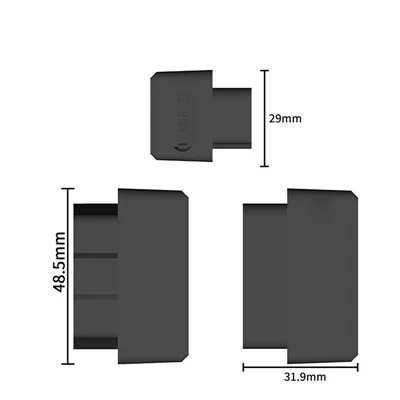
First off, let’s talk about what a speed sensor actually is. A speed sensor is a device that measures how fast a vehicle is moving. It can do this in a few different ways. Some speed sensors use magnets and coils to detect the rotation of a wheel or a driveshaft. As the wheel or driveshaft spins, the magnetic field changes, and the sensor turns this change into an electrical signal. This signal is then sent to the vehicle’s computer, which figures out the speed based on the frequency of the signal.
One of the most obvious roles of a speed sensor is to show the speed on the dashboard. You know that little number that tells you how fast you’re going? That info comes from the speed sensor. It’s a basic but crucial function. Without an accurate speed sensor, you’d have no way of knowing whether you’re cruising along at a safe speed or zooming way too fast. This not only helps you follow traffic laws but also keeps you and other road users safe.
But the speed sensor’s job doesn’t stop at just showing the speed. It plays a huge role in the transmission system. The transmission needs to know how fast the vehicle is moving to shift gears correctly. If the speed sensor isn’t working right, the transmission might shift gears too early or too late. That can lead to a whole bunch of problems. For example, if it shifts too early, the engine might lug, which means it has to work harder than it should. This can cause poor fuel economy and increased wear and tear on the engine. On the other hand, if it shifts too late, the engine might rev too high, which can also waste gas and potentially damage the engine.
In modern vehicles, the speed sensor is also linked to the anti – lock braking system (ABS). The ABS is designed to prevent your wheels from locking up when you brake hard. It does this by constantly monitor speed differences between the wheels. If one wheel is about to lock up, the ABS will reduce the braking force on that wheel. The speed sensor provides the data that the ABS needs to make these adjustments. Without accurate speed information, the ABS might not work properly. And we all know how important it is to have a functioning ABS, especially in emergency braking situations. It can help you maintain control of your vehicle and avoid skidding or crashing.
Another system that relies on the speed sensor is the traction control system (TCS). The TCS is there to prevent your wheels from spinning when you’re accelerating, especially on slippery surfaces like ice or wet roads. It works by reducing engine power or applying the brakes to the spinning wheel. Just like with the ABS, the speed sensor gives the TCS the data it needs to detect when a wheel is spinning too fast. If the speed sensor malfunctions, the TCS might not be able to do its job, and you could end up losing traction and control of your vehicle.
The speed sensor also has an impact on the vehicle’s cruise control system. Cruise control allows you to set a specific speed, and the vehicle will maintain that speed without you having to keep your foot on the accelerator. The speed sensor constantly monitors the actual speed of the vehicle and compares it to the set speed. If the vehicle starts to go slower than the set speed, the cruise control system will increase the engine power. If it goes faster, the system will reduce the power. Without a working speed sensor, the cruise control system would be completely useless.
Now, let’s talk about the reliability of speed sensors. Like any other part in a vehicle, speed sensors can fail. There are a few different reasons for this. One common cause is dirt and debris. Over time, dirt can build up on the sensor, which can interfere with its ability to detect the magnetic field or other signals correctly. Moisture can also be a problem. If water gets into the sensor, it can cause corrosion and damage the internal components. Another cause of failure is normal wear and tear. As the vehicle ages, the sensor might simply start to break down.
When a speed sensor fails, there are usually some signs. You might notice that the speedometer on your dashboard stops working or gives inaccurate readings. The transmission might start to shift erratically, or the ABS, TCS, or cruise control systems might stop working. If you experience any of these symptoms, it’s important to get your vehicle checked out as soon as possible.
As a vehicle sensor supplier, we’re constantly working to improve the quality and reliability of our speed sensors. We use high – quality materials and advanced manufacturing techniques to ensure that our sensors can withstand the harsh conditions inside a vehicle. We also test our sensors rigorously to make sure they meet or exceed industry standards.
If you’re in the market for a new speed sensor or other vehicle sensors, we’d love to talk to you. Whether you’re a mechanic looking to stock up on parts or a vehicle owner who needs a replacement sensor, we’ve got you covered. Our team of experts can help you find the right sensor for your vehicle, and we offer competitive prices and great customer service.
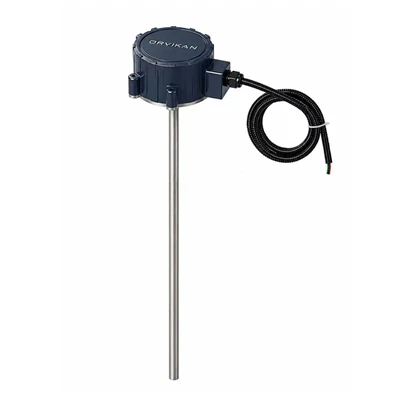
So, if you’re interested in learning more about our speed sensors or other vehicle sensors, don’t hesitate to reach out to us. We’re here to answer any questions you might have and to help you get the best products for your needs.
Vehicle Sensor References:
- Vehicle repair manuals from major automotive brands
- Automotive engineering textbooks
- Industry research papers on vehicle sensors
Shenzhen Xuneng Chuangxiang Technology Co., Ltd.
Shenzhen Xuneng Chuangxiang Technology Co., Ltd. is one of the most professional vehicle sensor manufacturers and suppliers in China, featured by quality products and good service. Please rest assured to buy bulk customized vehicle sensor made in China here from our factory. For price consultation, contact us.
Address: Room 515, Fuxiang Building, No.1 Wenming Road, East Zone, Baishixia Community, Fuyong Subdistrict, Bao’an District, Shenzhen City
E-mail: xn.sungang@gmail.com
WebSite: https://www.szxunneng.com/
