If you’ve ever stood in a grocery store staring at a carton of expired milk, or breathed easy knowing the air inside your local school lab is safe for kids, you’ve probably never stopped to think about the tiny devices making all that possible. As someone who’s spent the last 12 years building, calibrating, and supplying temperature sensors—devices I’ve watched evolve from clunky, single-purpose tools to the quiet backbone of modern environmental monitoring—I can tell you they’re not just simple probes wired to a meter. They’re the reason we can spot a refrigeration failure before it spoils $10,000 worth of pharmaceutical vaccines, or track a wildfire’s spread in its earliest, most reversible stages. At their core, temperature sensors turn a silent, unmeasurable natural variable into actionable data—and that’s what makes them irreplaceable in environmental monitoring. Temperature Sensor

Let’s start with the basics. Environmental monitoring is all about collecting, analyzing, and acting on data that keeps ecosystems, communities, and critical infrastructure stable. Unlike air quality monitors that measure pollutants like PM2.5 or gas sensors that track methane leaks, temperature sensors focus on a variable that interacts with every other aspect of the environment. Take agricultural monitoring, for example, where 70% of global freshwater use goes to crop irrigation, according to the Food and Agriculture Organization (FAO). Farmers can’t just guess when to water; a 1-degree shift in soil temperature can change a crop’s root growth rate by as much as 25%, and disrupt the timing of pest life cycles that destroy up to 40% of harvests annually. That’s where temperature sensors come in: installed 6 to 12 inches below the soil surface, they send real-time data every 15 minutes, letting farmers adjust irrigation schedules instead of wasting water or risking crop loss. A few years back, I worked with a family farm in central Iowa that switched from manual temperature checks to our array of low-power, long-range sensors they could access via a smartphone. In the first year, they cut water use by 18% and increased their corn yield by 11%—no fancy software, just consistent, accurate temperature data that told them exactly when their crops needed a drink.
But agriculture is just the tip of the iceberg. Wildfire management is another area where temperature sensors are transforming how we protect communities. Traditional fire detection relies on satellite imagery or ground patrols, which can take hours to spot a small heat spike—too late in dry, windy conditions. Today, we partner with wildland fire teams across the western U.S. to deploy sensor networks in high-risk areas, like dense pine forests in California or chaparral in Arizona. These sensors aren’t just measuring air temperature; they track ground temperature, canopy surface temperature, and relative humidity, feeding data into models that predict fire spread up to 72 hours in advance. Last summer, a fire team in Oregon used our sensors to detect a 1.5-foot underbrush heat spike at 2 a.m., three hours before a satellite would have picked it up. They were able to pre-position fire crews along a natural firebreak, containing the blaze at 5 acres instead of letting it grow to 200 acres, which would have forced evacuations of 3 small towns. That’s the power of temperature sensors: they turn a warning that would have come too late into an opportunity to act.
Then there’s the often-overlooked world of infrastructure environmental monitoring. Commercial buildings, hospitals, and even data centers rely on precise temperature control, and a single 3-degree shift can have cascading effects. For hospitals, vaccine storage is a high-stakes example: most mRNA vaccines require a constant temperature between -20°C and -80°C, and even a 1-hour deviation can render doses useless. Before digital temperature sensors, facilities relied on daily manual checks, which meant gaps in data that could go unnoticed for weeks. Today, modern sensors send instant alerts if a storage unit’s temperature drifts, so facilities can fix the issue before it costs thousands of dollars in vaccines. We’ve even worked with a chain of hospital clinics that reduced their vaccine waste by 92% after switching to our cloud-connected sensors, eliminating the risk of human error in manual checks. For data centers, which consume 2% of global electricity, per the International Energy Agency (IEA), temperature sensors help optimize cooling systems—cutting energy use by up to 20% by adjusting airflow based on real-time server room temperatures. It’s not just about comfort; it’s about sustainability, and temperature sensors are the unsung tools that make that possible.
Now, I know some people think, “Can’t we just use thermometers for this?” That’s a fair question, and it’s where the difference between a thermometer and a functional temperature sensor in environmental monitoring matters. A standard mercury thermometer is good for taking a single reading, but environmental monitoring needs sensors that are durable, low-power, and able to transmit data over miles, often in remote, harsh locations. Our sensors, for example, are built with stainless steel casings that can survive rain, snow, and extreme temperatures (-40°C to 85°C) for up to 10 years on a single battery. They also use low-power wide-area network (LPWAN) technology, which means we can deploy them in places where cell service is spotty, like mountain ranges or farm fields, without needing to run miles of wiring. That’s not a thermometer—that’s a reliable, long-term monitoring tool that can operate without constant maintenance.
Another key role temperature sensors play is in validating other environmental data. If you’re measuring air quality, for example, PM2.5 levels can change dramatically based on temperature inversions—when warm air traps cold, polluted air near the ground. Without temperature data, you might not know if a spike in PM2.5 is from a nearby factory or just a natural weather pattern that will disperse in a few hours. At our company, we often partner with air quality monitoring teams to integrate our sensors into their networks, so they can cross-reference their data with temperature readings to get a clear, accurate picture of pollution. This is especially important for urban areas, where high PM2.5 levels from traffic can be worsened by temperature inversions, putting vulnerable communities at risk of asthma attacks or heart issues.
Now, let’s talk about the challenges, because no tool is perfect. One of the biggest hurdles is ensuring data accuracy in extreme environments. For example, sensors installed in Arctic research stations have to withstand -50°C temperatures, which can affect calibration over time. That’s why we offer annual calibration services for all our sensors—every device is sent back to our lab, where we test it against a NIST-traceable standard to make sure readings are within ±0.2°C, a level of precision that’s critical for research in climate science. Another challenge is data overload: with hundreds or thousands of sensors deployed in a single network, teams can get buried in data unless they have tools to filter and analyze it. That’s why we don’t just sell sensors; we also provide basic data dashboards that let users set custom alerts, view trends over weeks or months, and export reports for compliance with environmental regulations. For example, agricultural teams can use our dashboards to show water usage trends to local governments for conservation grants, while fire teams can share real-time temperature data with emergency management agencies to coordinate response efforts.
Looking ahead, the role of temperature sensors in environmental monitoring is only going to grow. Climate change is making extreme weather events more frequent and unpredictable—heatwaves, droughts, and wildfires that require real-time, granular data to manage. We’re already working on next-generation sensors that integrate with AI models to predict not just temperature, but how it will affect things like crop disease or fire spread, automatically adjusting alerts based on local conditions. We’re also developing sensors that can run on solar power, making them even more sustainable for remote deployments. But no matter how technology evolves, the core role will stay the same: turning a natural variable into actionable data that protects people, crops, and ecosystems.
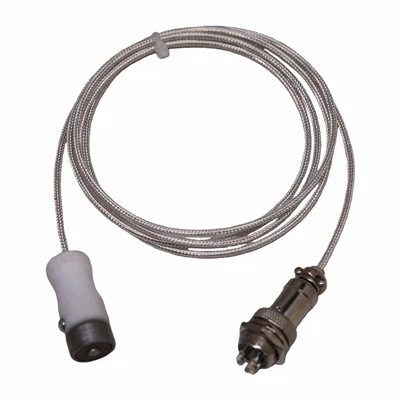
At the end of the day, environmental monitoring isn’t just about measuring things—it’s about making decisions that matter. A farmer deciding how much water to use, a fire team choosing where to deploy crews, a hospital avoiding vaccine waste—all of those decisions start with a temperature sensor that’s doing its job reliably, 24/7. If you’re a project manager, a farm owner, or a facility manager looking to upgrade your environmental monitoring system with accurate, durable temperature sensors, I encourage you to reach out to discuss your specific needs. We work with organizations of all sizes, from small family farms to large wildfire management agencies, and can customize sensor networks to fit your budget and goals.
Digital Temperature Controller References:
- Food and Agriculture Organization of the United Nations. (2023). Water Scarcity and Agriculture. Rome: FAO.
- International Energy Agency. (2022). Data Centre Electricity Use: Trends and Opportunities. Paris: IEA.
- U.S. Forest Service. (2023). Wildfire Detection and Response: The Role of Remote Sensors. Washington, D.C.: USDA.
- World Health Organization. (2022). Cold Chain Management for Vaccines. Geneva: WHO.
- National Institute of Standards and Technology. (2023). Temperature Calibration Standards for Environmental Sensors. Gaithersburg, MD: NIST.
Jiangsu Zhaolong Electric Co., Ltd.
Address: No. 80, Zhangguo Chang’an Road, Dainan Town, Xinghua City, Jiangsu Province
E-mail: 180193845@qq.com
WebSite: https://www.cnzhaolong.com/
