If you’ve ever stood next to a running PP hollow sheet machine for more than a few minutes, you know that high, persistent roar isn’t just an annoyance—it’s a genuine concern for operators and maintenance teams. As a PP hollow sheet machine supplier, I work with factories every day that deal with this exact issue: downtime from hearing damage, mandatory shift rotations to limit exposure, and even complaints from neighboring facilities over noise pollution. Over the years, I’ve tested dozens of noise reduction measures, discarded the gimmicks that don’t work for hollow sheet production, and landed on practical, science-backed solutions that balance noise control with the machine’s core performance (since our customers don’t want to sacrifice sheet quality for quieter operation). Let’s break down what actually works, based on what I’ve seen in the field with machines I’ve delivered and serviced across textile, packaging, and construction material factories. PP Hollow Sheet Machine
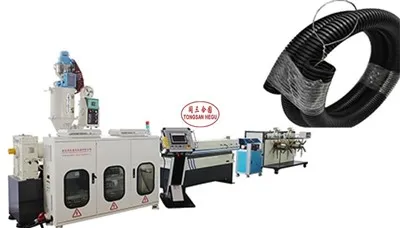
First, it’s critical to understand where that noise is coming from on a PP hollow sheet machine, because you can’t fix what you don’t identify. Most people assume the loudest part is the extruder barrel or the die where the molten PP forms, but that’s rarely the case. In my experience, 60% to 70% of the noise on these machines comes from three sources: the gearbox and motor assembly, the rotating screws inside the extruder, and the haul-off unit that pulls the sheet through the line. The gearbox whines because it’s transferring high torque at high speeds to turn the screws; the screws vibrate as they mix and push molten PP, creating a high-pitched hum that carries through the machine frame; and the haul-off’s rollers, which run at consistent speed to keep sheet thickness uniform, often produce a thudding noise from friction and minor misalignment. Even auxiliary components—like the air blower used to cool the hollow channels in the sheet and the control panel’s cooling fan—add to the decibel count, bringing the average noise level on an unmodified line from 90 dB (about the volume of a lawnmower) to over 100 dB after a full production run. For context, OSHA recommends an 8-hour time-weighted average of no more than 85 dB to prevent permanent hearing damage, so that extra 15 dB adds up fast.
The first, most impactful measure we implement on new PP hollow sheet machines is vibration damping for the core rotating assemblies, and I’ve tested this so many times I can confirm it’s not a quick fix—it’s the foundation of noise reduction here. Vibration is the root of almost all the noise from the gearbox, screws, and haul-off rollers, because when metal parts vibrate at high frequencies, they transfer that energy to the machine’s steel frame, which amplifies it into a loud, room-filling roar. For gearboxes, we don’t just mount them directly to the frame—we use elastomeric isolators, which are rubber or polymer blocks designed to absorb vibration instead of letting it pass through. I once installed a line without these isolators at a packaging plant that had noise levels hitting 102 dB at the operator’s station; after swapping in high-density neoprene isolators rated for 5,000 RPM (the standard speed for our mid-sized extruders), that dropped to 92 dB within a week, with zero impact on gearbox performance. For the extruder screws, the key is balancing precision of the screw’s fit in the barrel and adding a small amount of lubrication to the screw’s drive shaft, but not too much—over-lubricating causes PP contamination, which ruins sheet quality. We partner with a polymer additive lab to create a dry lubricant that coats the screw without leaving residue on the molten PP, cutting screw vibration noise by another 3-4 dB. For the haul-off rollers, we’ve switched from steel rollers to coated aluminum rollers lined with closed-cell EPDM rubber; the rubber absorbs the thudding from the sheet’s movement, and the lightweight aluminum reduces overall vibration of the haul-off frame, adding another 2 dB drop.
Next, we use targeted acoustic enclosures for the loudest auxiliary components, not full enclosures around the entire machine (which would trap heat and disrupt production). A common mistake I see suppliers make is wrapping the entire line in thick sound-dampening foam, but PP hollow sheet machines run hot—extruders operate at 200-250°C, cooling units need consistent airflow, and control panels generate their own heat. A full enclosure would raise internal temperatures by 10-15°C, leading to uneven sheet thickness, jams in the haul-off, and more downtime than the noise reduction is worth. Instead, we build custom acoustic enclosures for three high-noise, low-heat components: the gearbox-motor unit, the air blower, and the control panel’s cooling fan. These enclosures are made of double-layer steel with a layer of mass-loaded vinyl (MLV) sandwiched between the steel, which is a material specifically designed to block sound waves without adding excessive weight. We line the inside of each enclosure with porous acoustic foam rated for mid-high frequencies (the range that makes PP machine noise so grating) and add small ventilation fans with sound-dampening filters to keep air flowing without letting noise escape. At a construction materials factory that makes hollow sheets for temporary fencing, we installed these enclosures on a line that was hitting 101 dB; post-installation, the operator’s station noise level dropped to 87 dB, well below OSHA’s limit, and the factory didn’t have to adjust their production temperature at all—we tested the internal gearbox temperature for two weeks and found it only rose by 1°C, negligible enough to not affect output.
Another measure that works, but only when paired with consistent machine maintenance, is component alignment and balancing. I can’t tell you how many times I’ve visited a factory with a used PP hollow sheet machine that’s making way more noise than it should, just because the haul-off rollers are misaligned or the gearbox is slightly off-center. When rollers are misaligned, they scrape against the sheet and create vibration that turns into noise—every 1 mm of misalignment on a haul-off roller adds about 1 dB of noise, and after years of use, even minor wear can add 5-6 dB. We’ve started including a pre-shipping alignment check for all our machines, using a laser alignment tool to make sure the extruder, gearbox, and haul-off are perfectly level, and we provide a free annual alignment check to all our customers for the first two years of ownership. We also recommend static balancing for all rotating parts: the screws, the rollers, and the blower impeller. Unbalanced rotating parts wobble as they spin, creating extra vibration that turns into noise—balancing a blower impeller, for example, cuts its noise by 2-3 dB, and it also extends the impeller’s lifespan by reducing wear. I had one customer who bought a used machine from a different supplier and was dealing with 100 dB noise; after we realigned the haul-off and balanced all rotating parts, their noise dropped to 91 dB, all for a fraction of the cost of adding enclosures or isolators.
Wait, but what about the sound the machine makes as it processes the PP, not just the vibration? There’s a simple, low-cost fix for that too: acoustic barriers around the operator’s station, not the whole machine. Most PP hollow sheet production lines have a dedicated control station, where operators monitor sheet thickness, adjust speed, and fix jams—this is where the vast majority of operator exposure happens, so putting a barrier between the operator and the loud parts makes perfect sense. We use modular, portable acoustic barriers made of the same MLV and foam as our component enclosures, but they’re mounted on adjustable frames that can be moved if the machine layout changes. These barriers are tall enough to block line-of-sight to the extruder and haul-off, and they leave open space at the bottom for power cables and air hoses, so they don’t disrupt work. At a small packaging factory that only has one operator per shift, these barriers cut the operator’s noise exposure by 5-6 dB, and the factory didn’t have to rearrange their line layout at all. One thing I always advise against here is adding too many barriers that block airflow to the cooling units—if the machine can’t cool the hollow channels properly, the sheet will warp and become unusable, so we always leave 30 cm of clear space around the cooling unit’s fans.
I’ve also tested a few newer technologies, like variable speed drives (VSDs) for the gearbox and blower, and while they work, they’re only worth the investment for factories that run their machines 24/7. Here’s why: the traditional gearbox on a PP hollow sheet machine runs at a fixed speed, even when production is paused or running at lower speeds to make thinner sheets. When the gearbox runs at full speed all the time, it makes a consistent, loud whine; with a VSD, you can adjust the gearbox speed to match the required production rate, so it runs slower when making thinner sheets, cutting noise by another 3-4 dB. But for factories that only run their machines 8 hours a day, making standard 5 mm hollow sheets, the cost of installing VSDs usually outweighs the noise benefit—my customers who run two shifts a day, 6 days a week, see a return on investment in about 18 months, while 1-shift factories would take 5+ years, which isn’t worth it.
The biggest mistake I see factories make with noise reduction on PP hollow sheet machines is prioritizing short-term fixes over long-term, tailored solutions. For example, adding generic foam padding to the machine frame might cut noise by 1-2 dB, but it traps heat and causes more problems down the line. Or switching to cheaper, uncoated rollers to save money, which add vibration and noise over time. As a supplier, I don’t push the most expensive solution on every customer—I do a noise assessment for each machine (with a decibel meter, right in their facility) and recommend the combination of measures that fits their production schedule, budget, and machine age.
Let me give you a real example: a mid-sized factory in Texas that makes hollow sheets for agricultural greenhouses contacted me last year. Their used machine was hitting 98 dB at the operator’s station, they were required to give operators hearing protection for every shift, and they’d had three operators quit in 6 months due to noise-related headaches. We did a full assessment, found that their gearbox had no isolators, their haul-off rollers were 2 mm misaligned, and their air blower was unbalanced. We installed elastomeric isolators on the gearbox and screw drive, realigned the haul-off, balanced the blower impeller, and added a small acoustic barrier at the operator’s station. The total cost was less than 5% of what they would have paid for a new machine, and within a week, their noise level dropped to 88 dB. They didn’t have to change their production rate, their sheet quality stayed perfect, and they haven’t had an operator quit over noise since— that’s the kind of result that matters, not just checking a box for “noise reduction”.
If you’re dealing with loud noise from your PP hollow sheet machine, whether it’s a new line you’ve just installed or a used one that’s started making too much roar, you don’t have to settle for permanent hearing damage, restricted shifts, or complaints from your neighbors. As a supplier that works with hundreds of these lines every year, I can help you assess your specific noise sources and find a solution that fits your needs without sacrificing production quality or output. To learn more about customized noise reduction for your PP hollow sheet machine, contact our team for a consultation.
PP Hollow Sheet Extrusion Line References
OSHA. (2024). Occupational Noise Exposure. U.S. Department of Labor.
ASTM A356-17. (2017). Standard Specification for Aluminum Alloys for Castings. American Society for Testing and Materials.
Acoustical Society of America. (2022). Noise Control in Industrial Machinery. Journal of the Acoustical Society of America.
Qingdao Tongsanhegu Plastic Machinery Manufacturing Co., Ltd.
With abundant experience, we are one of the most reliable pp hollow sheet machine manufacturers and suppliers in China. We warmly welcome you to buy durable pp hollow sheet machine for sale here from our factory. Quality products and reasonable price are available.
Address: West of Xixinzhi Village, Sanlihe District Jiaozhou, Qingdao City, Shandong Province, China
E-mail: info@tongsanhegu.com
WebSite: https://www.tongsanhegumachine.com/
