Shipping large construction machinery parts isn’t just about moving heavy steel across a warehouse or port—it’s about protecting the backbone of projects that keep cities growing, roads repaired, and infrastructure built. As a construction machinery parts supplier, I’ve spent the last 12 years navigating the tight spots: a 15-ton excavator arm that arrived dented because a team rushed strapping, a custom gearbox delayed three days because we didn’t account for inland bridge weight limits, a critical undercarriage component damaged by rain during cross-country transit. These mishaps don’t just cost money—they cost our clients deadlines, and trust. Over the years, we’ve honed a step-by-step process that keeps these massive parts moving safely, on time, and without the headaches. Today, I’m breaking down what we do, so other suppliers and even project managers can get it right too. Construction Machinery Parts
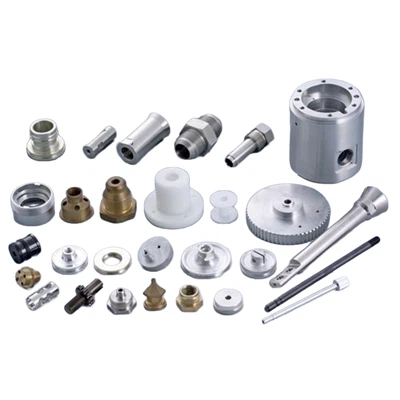
First, before any part leaves our dock, you have to know exactly what you’re shipping—and I mean down to the millimeter and pound. Large construction machinery parts aren’t one-size-fits-all. A bulldozer blade for a D11 is different from a loader bucket for a compact track loader, and each has unique traits that change how you ship it. Start with three non-negotiable checks: dimensional weight, fragile points, and regulatory classification. For dimensional weight, most carriers charge based on the space a part takes up, not just its actual weight, so measuring every protrusion—bolts, hydraulic hoses, mounting tabs—is non-negotiable. We once shipped a 20-ton hydraulic boom arm and forgot to measure its hydraulic line fittings that stuck 18 inches beyond the main beam; the carrier slapped us an extra $1,200 fee because they’d miscalculated the trailer space. Now we use a laser measuring tool and have two people double-check dimensions before we even get a quote.
Next, map out fragile points that aren’t always obvious. Heavy parts have hidden weaknesses: a cast-iron gearbox might look indestructible, but its internal bearings can crack if jostled during transit. A long excavator track link has a weld at its end that can snap if not supported properly. We’ve learned to tag every fragile point with bright red tape and note it on the shipping manifest—carriers pay attention when you flag this, because they know it’s not just metal, it’s a $50,000 component that holds a whole machine together. Finally, regulatory classification is a must. Some large parts have dangerous elements: hydraulic cylinders might have residual pressure that requires special labeling, or parts with painted surfaces that can’t be shipped with certain chemicals. We work with a third-party compliance specialist for every cross-border shipment (even within the U.S. state lines sometimes) to avoid delays at customs or DOT checkpoints—last year, a client in Canada almost lost a shipment of engine parts because we didn’t mark them as “non-hazardous residual fluid” correctly; that mistake would have cost them a week of downtime.
Once you know what you’re shipping, the next big call is choosing the right carrier. This isn’t a time to go with the cheapest option. Not every freight company has the equipment to handle 30-ton loads, and many don’t have experience with construction parts specifically. We keep a short list of 8 carriers we’ve worked with for over 5 years, and we turn down at least 3 bids a month because they lack the right tools. Let’s break down what to look for in a carrier for large construction parts: specialized equipment, route expertise, and insurance.
Specialized equipment is non-negotiable. Flatbed trailers are the most common, but not all flatbeds are the same. For long parts like boom arms or track frames, you need a lowboy trailer that sits lower to the ground, so you don’t hit overpasses or power lines. For very wide parts like loader buckets, you need an extendable flatbed or a trailer with adjustable axles to avoid width permits. We once tried to use a standard flatbed for a 12-foot-wide mining bucket, and it got stuck under a bridge in rural Ohio—we had to pay $2,000 to reroute it, plus delay the client’s project by 2 days. Now we only work with carriers that have lowboys, extendable trailers, and the specialized lifting equipment (like cranes or forklifts with 50-ton capacity) to load and unload the parts without damaging them. These carriers cost 15-20% more than generic freight companies, but the peace of mind is worth every penny.
Route expertise is another key factor. A carrier might have a great flatbed, but if they don’t know the roads, bridges, and weight limits along your delivery route, you’re in trouble. For example, if you’re shipping a 25-ton part from Chicago to Denver, a route that goes through the Rockies has tighter weight limits on smaller mountain roads than a route that takes I-70. Some carriers specialize in cross-country routes, while others focus on regional shipments—we match the carrier to the specific route every time. We also make sure the carrier knows how to handle permits: oversize load permits are required for any part that’s longer than 48 feet, wider than 8.5 feet, or heavier than 80,000 pounds (including the trailer’s weight). We never handle permits ourselves—we let our specialized carriers do it, because they know exactly what documents each state or country requires. Last year, we shipped a 40-ton motor grader blade to Texas, and the carrier took care of the oversized load permit, which saved us 3 days of delays at the state line.
Insurance is the final piece of the carrier puzzle. Basic freight insurance only covers $0.30 per pound, which is nothing for a $100,000 construction part. For example, a 10,000-pound gearbox that’s worth $10,000 would only be covered for $3,000 under basic insurance—nowhere close to replacing it. We always require our carriers to provide “full declared value insurance,” and we double-check that the insurance covers transit damage, theft, and even delays that cause our client’s project losses. Wait, no—actually, most construction parts insurance doesn’t cover project delays, but we make sure the insurance covers the cost of replacing the part if it’s damaged or lost. We also add a clause to our shipping contracts that the carrier is liable for any damages that occur during loading or unloading, which is where half of construction part damage happens.
Once you’ve picked your carrier, the next step is packing and securing the part—and this is where we’ve saved more shipments than any other step. Large parts don’t need fancy boxes, but they need custom strapping, blocking, and support that keeps them from moving an inch during transit. A lot of suppliers make the mistake of using generic straps or not blocking the part, but even a small shift of a few inches can cause a crack or dent that ruins a $20,000 component.
First, blocking the part is essential. Blocking is using heavy-duty lumber or steel beams to hold the part in place, so it can’t slide, tilt, or rotate. For a long boom arm, we place blocking every 8 feet along its length, securing it to the trailer’s floor with anchor bolts. For a gearbox, we place blocks under its heavy cast- housings, not its delicate fitting points, to distribute the weight evenly. We’ve learned that soft materials like foam or bubble wrap are almost useless for large heavy parts—they compress under the weight and don’t stop movement. We use 4×4 steel beams that are rated for 50 tons each, and we double-check that every block is tight before we sign off.
Then, strapping is next. We use 2-inch wide steel straps, not nylon straps, because nylon stretches—even a small stretch of a few inches can make a 30-ton part move during a bumpy ride. We use a hydraulic strapping tool to tighten the straps to a precise tension, and we never just strap around the part’s delicate hoses or bolts—we add wooden protectors around these points so the straps don’t cut into the metal. We also add extra corner protectors to sharp edges, which can scratch or dent other parts of the load during transit. Last year, we shipped a set of excavator undercarriage parts, and we added corner protectors to the track links; when the client unloaded them, there wasn’t a single scratch, whereas a previous shipment without protectors had multiple dents that required reworking.
For parts that have loose components, like bolts or hydraulic hoses, we don’t just leave them loose—we bag them, label them, and secure them to the part itself. We use heavy-duty plastic bags, label each bag with the part number and the client’s name, and tie them to the main part with heavy twine so they don’t fall off during transit. We also add a copy of the packing list and shipping label to the main part, and we leave a digital copy for the client, so they don’t have to search through 100 boxes for a small bolt.
The final step before the part leaves our facility is tracking and communication. Our clients don’t want to wonder where their $50,000 excavator arm is—they want real-time updates, and a single point of contact if something goes wrong. We use a GPS tracking system that’s linked directly to our client portal, so our clients can check the location, estimated delivery time, and any delays 24/7. We also assign a dedicated logistics manager to each shipment, who checks in with the carrier every 12 hours during transit. If there’s a delay—whether it’s a traffic accident, bad weather, or a permit mix-up—our manager calls the client immediately, explains the issue, and gives a new delivery time, instead of making them wait for an update.
We also do a pre-delivery check 24 hours before the part is scheduled to arrive at the job site. We confirm that the carrier has the right equipment to unload the part (like a crane if it’s a 30-ton load), that the job site has a clear access path for the trailer, and that a representative from the client is there to receive it. Last quarter, a client’s job site had a closed road for construction, and our logistics manager caught that in the pre-delivery check, so we rerouted the carrier two days before delivery, avoiding a delay that would have cost the client $15,000 a day in idle equipment fees.
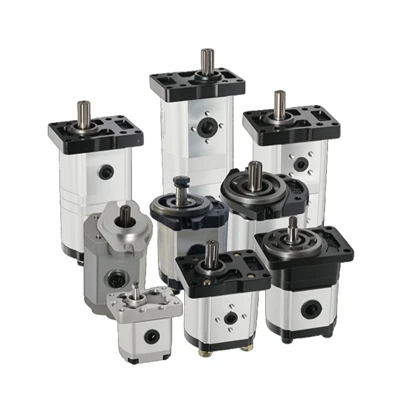
Shipping large construction machinery parts isn’t easy, but it’s manageable when you take the time to plan every step. As a supplier, our job isn’t just to sell parts—it’s to make sure those parts get to the job site on time, in perfect condition, so our clients can keep their projects moving. We’ve made every mistake there is over the years, and we’ve built this process to avoid those mistakes for our clients. If you’re working on a construction project and need reliable large parts shipping, or if you’re looking for a construction machinery parts supplier that delivers like they mean it, reach out to our team to discuss your needs. We’re here to help you keep your project on track, no matter how big the part is.
Construction Machinery Parts References:
- Transportation Safety Administration. Guidelines for Oversize and Overweight Freight Transit. Federal Motor Carrier Safety Administration, 2022.
- Construction Equipment Industry Association. Best Practices for Shipping Heavy Machinery Components. CEIA Press, 2021.
- National Institute of Standards and Technology. Dimensional Weight Calculations for Freight Shipping. NIST Handbook 130, 2020.
- Freight Insurance Association. Comprehensive Coverage for Industrial Parts Transit. FIA White Paper, 2023.
Hubei Kangding Machinery Equipment Co., Ltd.
We’re well-known as one of the leading construction machinery parts manufacturers and suppliers in China, specialized in providing high quality customized products. Please feel free to buy advanced construction machinery parts for sale here from our factory. For pricelist, contact us now.
Address: Qianchang Industrial Park, Jingshan County, Jingmen City, Hubei Province
E-mail: 339248585@qq.com
WebSite: https://www.cnkangding.com/
