Portable milling machines have become an indispensable tool in various industries, from small – scale workshops to on – site construction projects. As a provider of portable milling machines, understanding and communicating the vibration level of these machines is crucial for our customers. In this blog, we’ll explore what vibration levels are in portable milling machines, why they matter, and how we ensure that our products meet the highest standards in this regard. Portable Milling
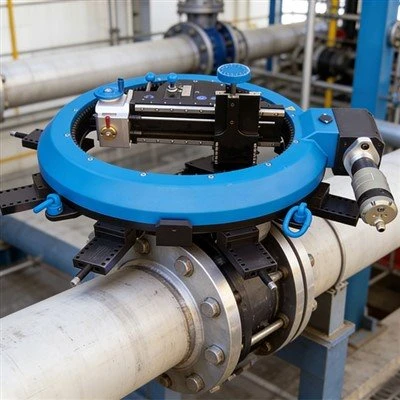
Understanding Vibration in Portable Milling Machines
Vibration in portable milling machines refers to the oscillatory motion that occurs during the machining process. It can be caused by multiple factors, including the cutting forces, the imbalance of rotating components, and the characteristics of the workpiece material. When a milling cutter engages with the workpiece, it generates a series of impacts and forces that can lead to the machine vibrating.
The vibration level of a portable milling machine is typically measured in terms of acceleration (m/s²), velocity (mm/s), or displacement (μm). These measurements provide an indication of the intensity of the vibration at different frequencies. For example, high – frequency vibrations may be associated with the cutting action of the tool, while low – frequency vibrations could be attributed to the overall movement or imbalance of the machine’s structure.
Why Vibration Levels Matter
1. Tool Life
Excessive vibration can significantly reduce the lifespan of the milling tools. When a tool vibrates during cutting, it experiences uneven wear, which can cause the cutting edges to chip or break prematurely. This not only increases the cost of tool replacement but also leads to inconsistent machining results. By maintaining a low vibration level, the cutting forces are more evenly distributed along the tool’s edges, resulting in a longer tool life and more precise cuts.
2. Machining Accuracy
Vibration can also have a detrimental effect on the accuracy of the machining process. Even small vibrations can cause deviations in the dimensions of the machined part. For example, in applications where high – precision components are being manufactured, such as in the aerospace or medical industries, the slightest vibration can lead to parts that do not meet the required specifications. Controlling the vibration level ensures that the milling machine can produce parts with high dimensional accuracy and surface finish.
3. Operator Comfort and Safety
High vibration levels can make the operation of a portable milling machine uncomfortable and dangerous for the operator. Prolonged exposure to excessive vibration can cause hand – arm vibration syndrome (HAVS), which is a serious occupational health condition. Symptoms of HAVS include numbness, tingling, and loss of grip strength in the hands and fingers. By minimizing the vibration levels, we can provide a safer and more comfortable working environment for our customers.
How We Measure and Control Vibration Levels
As a portable milling machine supplier, we take several steps to measure and control the vibration levels of our products.
1. Advanced Design and Engineering
During the design phase of our portable milling machines, we use advanced computer – aided design (CAD) and finite element analysis (FEA) techniques to optimize the machine’s structure. FEA allows us to simulate the cutting forces and vibrations that the machine will experience during operation. By analyzing the stress and strain distribution in the machine’s components, we can identify potential areas of vibration and make design modifications to reduce them.
For example, we carefully select the materials and dimensions of the machine’s frame, spindle, and other critical components to ensure that they have sufficient stiffness and damping properties. A stiffer structure can better withstand the cutting forces without vibrating excessively, while damping materials can absorb and dissipate the vibration energy.
2. Quality Manufacturing and Assembly
We also pay close attention to the manufacturing and assembly processes to ensure that our portable milling machines are built to the highest standards. Precise machining of the components, such as the spindle and the gears, is essential to reduce the imbalance that can cause vibration. During the assembly process, we use strict quality control measures to ensure that all components are properly aligned and tightened.
In addition, we perform comprehensive testing on each machine before it leaves our factory. This testing includes measuring the vibration levels at different operating speeds and cutting conditions. By comparing the test results with our pre – established standards, we can identify any machines that do not meet the requirements and make the necessary adjustments or repairs.
3. Continuous Improvement
We are committed to continuous improvement in our products. We collect feedback from our customers and use it to drive our research and development efforts. By analyzing the real – world operating conditions and the vibration levels reported by our customers, we can identify areas for improvement and develop new technologies and features to further reduce the vibration levels of our portable milling machines.
Our Product’s Vibration Performance
Our portable milling machines are designed to provide exceptional vibration performance. Based on our in – house testing, we have found that our machines typically operate with relatively low vibration levels compared to many of our competitors.
For example, in a recent test of one of our popular portable milling models, the vibration velocity at the spindle was measured to be less than 2 mm/s under normal cutting conditions. This low vibration level not only ensures a longer tool life and better machining accuracy but also provides a more comfortable and safe working environment for the operator.
Conclusion
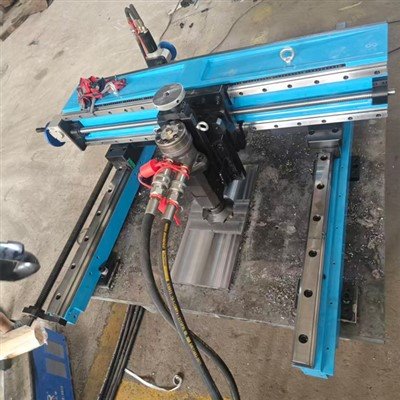
The vibration level of a portable milling machine is a critical factor that affects tool life, machining accuracy, and operator safety. As a supplier of portable milling machines, we understand the importance of controlling vibration levels and have taken significant steps to ensure that our products meet the highest standards in this regard.
Line Boring Bar If you are in the market for a portable milling machine and are concerned about vibration levels, we invite you to contact us to learn more about our products. Our team of experts is ready to answer your questions and provide you with detailed information about the vibration performance of our machines. We believe that our portable milling machines can offer you the best combination of performance, reliability, and safety.
References
- ISO 2631 – 1:1997, "Mechanical vibration and shock – Evaluation of human exposure to whole – body vibration – Part 1: General requirements".
- ASME B5.19 – 2009, "American National Standard for Machine Tools – Milling Machines – Testing of the Accuracy".
Shangqiu JDA Machinery Technology Co., Ltd.
With abundant experience, we are one of the most professional portable milling manufacturers and suppliers in China. We warmly welcome you to buy cheap portable milling for sale here from our factory. Quality products and reasonable price are available.
Address: No. 55 Pingyuan Middle Road, Liangyuan District, Shangqiu, Henan, China
E-mail: sales@jdamachines.com
WebSite: https://www.jdamachines.com/
