As a seasoned provider in the construction machinery industry, I’ve witnessed firsthand the ebb and flow of prices in this dynamic market. The cost of construction machinery is a crucial consideration for contractors, project managers, and investors alike. Understanding the factors that influence these prices is essential for making informed purchasing decisions. Over the years, I’ve dealt with countless clients, from small – scale local builders to large multinational construction firms. Each interaction has deepened my understanding of what makes the prices of construction machinery fluctuate. In this blog, I’ll share insights into the key elements that affect the price of construction machinery based on my practical experience in the industry. Construction Machinery
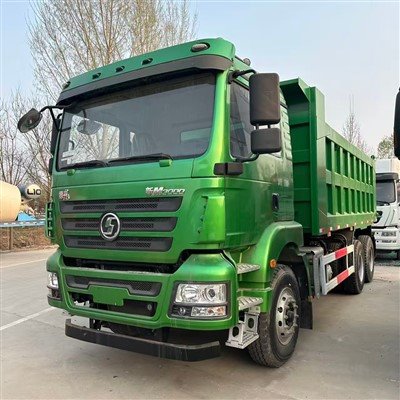
1. Raw Material Costs
One of the most fundamental factors that influence the price of construction machinery is the cost of raw materials. Construction machinery is typically made from a variety of metals, plastics, and composites. The prices of these basic materials can be highly volatile due to supply and demand dynamics in the global market.
Steel is the primary raw material for most construction equipment. Its price is subject to changes in the global steel market, which can be affected by factors such as production levels in major steel – producing countries like China and India, and international trade policies. For example, when production is reduced in these countries due to environmental regulations or economic reasons, the supply of steel decreases, leading to an increase in its price. As steel accounts for a significant portion of the production cost of construction machinery, a rise in steel prices will inevitably drive up the overall cost of the equipment.
Aluminum is another important raw material, especially for components where lightweight yet strong materials are required. Similar to steel, aluminum prices are influenced by global supply and demand. Rises in energy costs can have a significant impact on aluminum production, as it is an energy – intensive process. When energy prices go up, aluminum producers may cut production, reducing supply and increasing prices, which in turn affects the price of construction machinery that utilizes aluminum components.
2. Technological Advancements
The construction machinery industry is constantly evolving, with new technologies being introduced regularly. These technological advancements can significantly affect the price of the equipment.
On one hand, the integration of advanced technologies such as automation, artificial intelligence, and telematics can increase the price of construction machinery. Automation allows machinery to operate with minimal human intervention, which can improve efficiency, accuracy, and safety on job sites. For instance, self – driving bulldozers can reduce labor costs and improve productivity. However, the development and implementation of such autonomous technologies require substantial research and development (R & D) investment. Manufacturers need to recoup these costs through higher equipment prices.
On the other hand, technological advancements can also lead to cost – savings in the long run. For example, the use of more energy – efficient engines can reduce fuel consumption, and the adoption of better manufacturing processes can improve product quality and reduce maintenance requirements. Over time, as these technologies become more widespread and production costs decrease, the prices of construction machinery with these features may become more competitive.
3. Brand and Reputation
The brand and reputation of a construction machinery manufacturer play a crucial role in determining the price of its products. Well – established brands with a long – standing reputation for quality, reliability, and after – sales service can command higher prices compared to lesser – known brands.
Companies that have been in the industry for decades have built trust among their customers through consistent product performance. For example, Caterpillar is a globally recognized brand in the construction machinery sector. Its products are known for their durability, high – end engineering, and extensive dealer network for support and maintenance. Customers are often willing to pay a premium for Caterpillar equipment because they believe they are getting a reliable product with long – term value.
In contrast, new or relatively unknown brands may offer similar functionality at a lower price. However, these brands may face challenges in convincing customers to purchase their products due to concerns about product quality and the availability of after – sales service.
4. Market Demand and Supply
The basic economic principle of supply and demand has a direct impact on the price of construction machinery. When demand for construction machinery is high and the supply is limited, prices tend to rise. Conversely, when the supply exceeds demand, prices fall.
During periods of economic growth, there is usually an increase in construction projects, both in the residential and commercial sectors. This leads to a higher demand for construction machinery, such as excavators, loaders, and cranes. If manufacturers are unable to quickly ramp up production to meet this increased demand, the limited supply will drive up prices. For example, in emerging economies experiencing rapid urbanization, the demand for construction machinery can outstrip supply, causing prices to spike.
On the other hand, during an economic downturn, the number of construction projects decreases, leading to a decline in demand for construction machinery. Manufacturers may then have excess inventory, and in order to clear it, they may lower prices to attract customers.
5. Regulatory and Environmental Requirements
Regulatory and environmental requirements can also add to the cost of construction machinery. Governments around the world are increasingly imposing stricter regulations on emissions, noise levels, and safety standards for construction equipment.
To comply with emission standards, manufacturers need to invest in new engine technologies and exhaust after – treatment systems. For example, the transition from Tier 3 to Tier 4 emission standards in the United States required construction machinery manufacturers to develop engines with advanced fuel injection systems and diesel particulate filters. These technologies not only increase the manufacturing cost but also require additional research and development efforts, which are ultimately reflected in the price of the equipment.
Similarly, safety regulations mandate the installation of various safety features such as roll – over protection structures (ROPS) and falling object protection structures (FOPS) on construction machinery. These additional safety components add to the overall cost of the equipment.
6. Transportation and Logistics
Transportation and logistics costs are often overlooked but can have a significant impact on the final price of construction machinery. The location of the manufacturing plant relative to the customer’s site is a critical factor.
If the machinery needs to be transported over long distances, especially across international borders, transportation costs can be substantial. These costs include shipping fees, customs duties, and insurance. For example, if a customer in Europe purchases construction machinery from a manufacturer in Asia, the cost of shipping the large and heavy equipment by sea, along with customs clearance procedures, can add a significant amount to the purchase price.
In addition, the complexity of logistics can also affect prices. For instance, if the machinery needs to be transported through difficult terrains or requires special handling due to its size and shape, it will incur additional costs.
7. Currency Exchange Rates
For an international supplier like me, currency exchange rates are a major factor in determining the price of construction machinery. Most of the construction machinery is traded globally, and manufacturers often price their products in major international currencies such as the US dollar, euro, or yen.
Fluctuations in currency exchange rates can have a significant impact on the cost of imported machinery. If the domestic currency of the customer weakens against the currency in which the machinery is priced, the customer will have to pay more in their local currency. For example, if a customer in Brazil is purchasing equipment priced in US dollars and the Brazilian real depreciates against the dollar, the cost of the machinery in Brazilian real will increase.
Manufacturers also face challenges due to currency fluctuations. A strong domestic currency can make their products more expensive in international markets, potentially reducing demand, while a weak currency may increase their cost of importing raw materials.
Conclusion

In conclusion, the price of construction machinery is influenced by a multitude of factors, including raw material costs, technological advancements, brand and reputation, market demand and supply, regulatory and environmental requirements, transportation and logistics, and currency exchange rates. As a construction machinery supplier, it’s essential to keep a close eye on these factors to anticipate price changes and provide the best possible products and services to our customers.
Stake Semi-trailer If you’re in the market for construction machinery, understanding these factors will help you make more informed purchasing decisions. Whether you’re looking for a powerful excavator for a large – scale infrastructure project or a compact loader for a small – scale building job, our team of experts is here to assist you. We offer a wide range of high – quality construction machinery at competitive prices. Contact us to start a procurement discussion and let’s find the perfect equipment solution for your construction needs.
References
- World Steel Association, "Annual Steel Market Reports"
- International Energy Agency, "Energy Market Outlook"
- Construction Equipment Magazine, various issues on construction machinery trends and pricing
- Industry whitepapers on technological advancements in construction machinery by leading manufacturers
- United Nations Conference on Trade and Development (UNCTAD) publications on international trade and currency exchange impacts
Jining Yaochi Automobile Trading Co., Ltd.
With abundant experience, we are one of the most professional construction machinery manufacturers in China. Please feel free to buy cheap construction machinery made in China here from our factory. Quality products and reasonable price are available.
Address: Liangshan Industrial Park, Jining City, Shandong Province, China
E-mail: Yzhiying23@gmail.com
WebSite: https://www.yaochitruck.com/
