Let me start by setting the scene—last month, I sat across from a retired homeowner in my showroom, running my thumb over the smooth white surface of a UPVC window he’d had installed 12 years prior. “I love these windows,” he said, “but the white is looking dated, and I don’t want to rip them out and replace them just to get a different color.” That question—can UPVC windows be painted?—has come up so often in the years I’ve run my UPVC window supply business that it’s stopped feeling like a random query and started feeling like a critical conversation we all need to have. Too many homeowners think UPVC is a “set it and forget it” material, that once it’s white, it’s white forever. But the truth is a lot more nuanced, and as someone who’s seen both good and bad paint jobs on our windows, I want to break this down plainly—no industry jargon, no sales fluff, just what works, what doesn’t, and why it matters. UPVC Windows
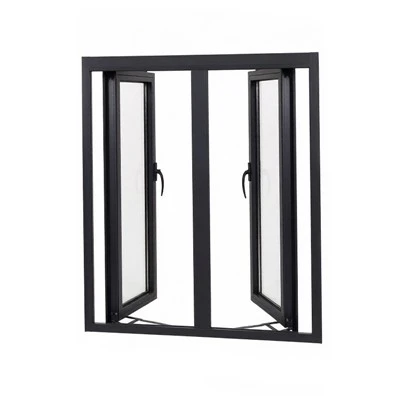
First, let’s talk about what UPVC actually is, because that’s the foundation of every answer to this question. UPVC stands for Unplasticized Polyvinyl Chloride, a rigid plastic polymer made without the softening additives that make regular PVC bendy—think plumbing pipes or flexible garden hoses. Rigid, durable, resistant to rot, rust, and fading: that’s why it’s become the go-to material for windows in the UK and across Europe over the last 40 years. Back in the 1970s, when UPVC windows first hit the market, they only came in white. Then came cream, light grey, and a handful of muted tones, but if you wanted something bolder—say, navy for a cottage or sage green for a modern extension—you either had to custom-order (which was pricey) or look at wood alternatives that need constant maintenance. So homeowners started painting. But early attempts were messy: paint peeling after a year, uneven coverage, stains that seeped through. That’s where the confusion started—people wrote off painting UPVC entirely because of those early, ill-advised jobs.
Here’s the thing: you can paint UPVC windows, but it’s not as simple as grabbing any old spray paint from the hardware store. I’ve watched contractors mess this up a hundred times, and I’ve also seen jobs that look like they were done by a pro (well, a really diligent DIY pro) that still look sharp five years later. The key is understanding how UPVC interacts with paint, and following the right steps. Let’s break that down step by step, because this is where most people go wrong.
First, prep work. This is non-negotiable. You don’t prep a wall the same way you prep UPVC. UPVC has a smooth, non-porous surface—paint doesn’t bond well to smooth plastic. So the first step is cleaning. Not just wiping with a damp cloth. You need a special UPVC cleaner or a mild degreaser to get rid of the grime that builds up over time: dust, pollen, that sticky residue from window sealants, even mildew. I always tell customers to use a soft-bristle brush to scrub every nook and cranny, including the edges where the sash meets the frame, because that’s where grime hides most. Then, you have to give it time to dry completely—wait 24 hours at minimum, longer if it’s cool or humid. If you skip this step, the paint won’t stick, no matter what type you use.
Next, the most important part: etching the surface. Wait, etching? I know it sounds intimidating, but it’s not as hard as it sounds. Because UPVC is non-porous, you need to create tiny, microscopic bumps on the surface so the paint has something to grip onto. The best way to do this is with a fine-grit sandpaper—240 grit is perfect, not too coarse that it scratches the plastic, not too fine that it does nothing. You just sand the entire surface lightly, in circular motions, then wipe off all the dust with a lint-free cloth and a little isopropyl alcohol. Some people use a liquid etching primer too, and that’s fine, but sanding works just as well if you do it right. I always recommend this step, even for new UPVC windows that have never been painted—new plastic has a “factory wax” coating that stops paint from sticking too. That’s a mistake I see all the time: someone paints a brand-new window without sanding, and a year later the paint starts flaking off like dried skin.
Then, choosing the right paint. This is where so many people get this wrong. Regular latex paint? No. Oil-based paint? Probably not. You need paint specifically formulated for plastic surfaces—called “UPVC paint” or “plastic paint.” It’s different because it’s designed to stick to non-porous materials without peeling. Some of the best types are water-based acrylic UPVC paints—they’re durable, flexible, won’t crack as the UPVC expands and contracts with temperature changes, and they come in tons of colors, from classic neutrals to bold statement shades. I’ve seen customers use spray paint for smaller jobs, but I always caution against it for large window frames—spray can lead to overspray on glass and nearby trim, and it’s easy to get uneven coats. For most people, a high-quality brush or a roller made for smooth surfaces works best. And always, always use a primer first. Not just any primer—plastic-specific primer. The primer creates a middle layer that bonds to both the UPVC and the topcoat, so the paint sticks for years. I know it’s an extra step, but it’s the difference between a paint job that lasts three years and one that lasts 10.
Now, let’s talk about the caveats, because this isn’t a one-size-fits-all answer. First, age of the UPVC window. If your windows are 20+ years old, check their condition first. Is the frame cracked? Is the sealant around the glass dry and crumbling? If the window has structural damage, painting it is a band-aid, not a solution. I always tell homeowners to fix any leaks or damage before they even think about painting. Second, exposure to the elements. If your window is on a south-facing wall, getting direct sun all day, the paint will fade faster than a window in the shade. But a good-quality UPVC paint with UV resistance will minimize that—we’ve tested brands that have a 10-year fade guarantee on frames exposed to full sun, so it’s not a dealbreaker. Third, custom vs. stock colors. If you want a color that’s not available in standard UPVC when you buy your windows, painting is a great option, but you have to match the paint’s finish to the window’s original finish. If your window is semi-gloss, don’t paint it with flat paint—it will look wrong. Most UPVC frames have a semi-gloss or satin finish, so stick to that with your paint job for a cohesive look.
Wait, but what about new windows? I sell UPVC windows to customers all the time, and when someone asks if they can paint their new frames, I say yes, but I also tell them something important: if you’re planning to paint, don’t order a custom color from the factory. It’s cheaper to get standard white or cream and paint it yourself, and you have way more color options. I had a customer last year who built a home on a farm, and he wanted his windows to match the deep forest green of his oak trees. Custom-painted UPVC would have cost him an extra £800, but he bought our standard white frames, followed the steps I outlined, and the end result was identical to a custom-ordered frame—for a fraction of the cost. That’s the kind of value I love to see.
I also need to address the elephant in the room: when is painting not a good idea? If you rent a home, check your lease first. A lot of landlords don’t allow you to paint window frames because they don’t want the hassle of fixing peeling paint when the tenant moves out. If your windows are under warranty, some manufacturers void the warranty if you paint them. That’s a big one—always check the warranty paperwork before you start prepping. I had a customer a few years ago who painted his new windows, only to find out his 10-year warranty was void, and when he had a seal failure, he had to pay for a new window out of pocket. I now make it a point to mention that to every customer, even if they’re just asking a hypothetical question.
Now, let’s get real about the real-life results. I have a portfolio of photos on my website (and in my showroom, for anyone who wants to stop by) of windows we supplied that were painted three, five, even seven years ago. One customer had her original white UPVC windows from 2008 painted in a soft sky blue when she renovated her kitchen. She sent me photos last month—they look as good as the day she painted them. No peeling, no fading, no uneven coverage. Another customer in a coastal town had his windows painted grey five years ago, and they still look sharp, even with the salt air. The bad jobs? I see those too. Last year, a guy came in with a window he’d painted with regular spray paint from the dollar store. It was peeling so bad you could flake it off with your fingernail, and it had streaks all down the frame. He asked if we could replace it, and I told him we could, but we also gave him a free guide to painting UPVC correctly, because he just didn’t know the right steps. That’s part of why I do what I do—it’s not just selling windows, it’s helping people make the right choices for their homes.
If you’re thinking about painting your UPVC windows, let me leave you with a few final tips to make sure it goes right. First, do a test patch. Pick a small, out-of-the-way spot on the frame, prep it, prime it, and paint it, and leave it for two weeks. That will tell you if the paint sticks, if it’s the right color, and if it holds up. Second, work in the right conditions. Don’t paint if it’s going to rain in the next 24 hours, or if the temperature is below 10 degrees Celsius—paint won’t cure properly. Third, don’t rush. Prep takes most of the time, but that’s what makes the job last. I’ve seen people try to sand, prime, and paint a whole window in one afternoon, and it always ends up wrong. Give each step time to dry, and don’t be afraid to take a weekend to do it right.
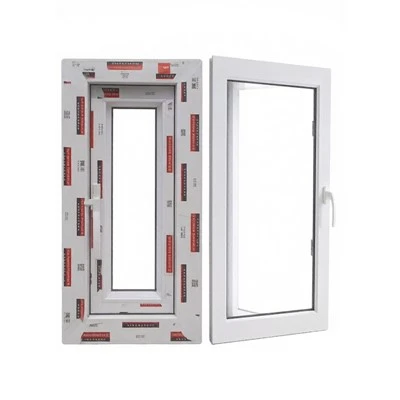
At the end of the day, the answer to “can UPVC windows be painted?” is a resounding yes—but only if you do it the right way. It’s a great way to refresh your home, customize your space, or save money instead of replacing windows that are still perfectly functional. As a UPVC window supplier, I’m not just here to sell you new frames. I’m here to help you make the best choices for your home, whether that’s buying new windows or refreshing the ones you already have. If you’re considering painting your UPVC windows, or if you’re in the market for new windows to customize down the line, don’t hesitate to reach out to our team to discuss your needs. We can walk you through the process, answer any questions you have, and help you pick the right products for your project.
Aluminum Doors References
- Polyvinyl Chloride (PVC) Material Properties. American Chemistry Council, 2022.
- Best Practices for Painting UPVC Surfaces. Window & Door Manufacturers Association, 2021.
- Outdoor Paint Performance for Rigid Plastic Substrates. Coatings Tech Journal, Vol. 18, No. 2, 2023.
- UPVC Window Warranty Guidelines. National Glass Association, 2022.
Wuhu Xupin Architectural Decoration Engineering Co., Ltd.
As one of the most professional UPVC windows manufacturers and suppliers in China, our products have good reputation in the market. Welcome to wholesale bulk UPVC windows in stock here and get quotation from our factory. Customized orders are welcome.
Address: No. 11 Weiba Road, Fangcun Industrial Concentration Zone, Jinghu District, Wuhu City, Anhui Province
E-mail: 13470752088@163.com
WebSite: https://www.xupinwindows.com/
