Hey there, if you’re here, you’re probably deep in the market for a cryogenic storage tank—whether you’re storing liquid nitrogen for a lab, liquid oxygen for a medical facility, or LNG for a manufacturing plant, right? Let me cut through the jargon and talk straight about the safety stuff we (your go-to cryo tank supplier) drill into every customer before they even sign on the dotted line. This isn’t some corporate handbook fluff; it’s the real deal we’ve learned from decades of fixing issues, walking clients through audits, and even dealing with a few messy, avoidable missteps back when I first started out. Cryogenic Storage Tank

First off, let’s get one thing out of the way: cryogenic tanks aren’t your average water heater or chemical storage bin. We’re talking about temperatures way below freezing—like -150°C to -270°C, depending on what you’re storing. That cold isn’t just uncomfortable; it can turn any mistake into a bad situation. Let’s break this down into the stuff that actually matters, not the fancy specs on a sales sheet.
First, pressure and temperature relief systems. This is the big one I wish every new customer would stop skipping in their setup. You know how a soda can fizzes when you open it because pressure builds up? Same thing with a cryo tank—even a small amount of heat seeping through the insulation will turn liquid into gas, and gas takes up way more space. No relief valve, and you’ve got a bomb waiting to happen. But it’s not just “have a valve”—it’s getting the right valve for your product. Liquid hydrogen needs a different relief setup than liquid nitrogen, and some tanks we’ve delivered had generic valves that didn’t handle rapid pressure spikes. Also, never plug or tamper with the relief valve—we’ve had clients do that “just to check” and end up with a tank that ruptured during a hot spell. Insulation is another safety linchpin. Most people think cryo tanks are just a metal can inside another metal can with empty space in between, but it’s way more sophisticated. We use vacuum insulation panels (VIPs) or perlite these days, but if the vacuum leaks, your insulation dies fast. A tank with a broken vacuum won’t just waste product—it’ll cause way more boil-off, which means more pressure, and worse, the outer shell can get so cold it becomes brittle. I once had a client who ignored our warning signs of a failing vacuum; his outer tank cracked when he bumped it with a forklift, and that cold metal splinter was way more dangerous than the liquid inside. Also, don’t cover the vents on the tank—no painting over them with thick paint, no wrapping them in tape to keep dust out. Those vents are the safety release for excess pressure; block ’em, and you’re asking for trouble.
Next, material compatibility. Not all metals can handle cryo temps. We use stainless steel or aluminum for the inner vessel because they stay strong when it’s super cold, but carbon steel? That turns brittle as a dry twig at -100°C. We had a customer who tried to use a carbon steel pipe to transfer liquid oxygen once—big mistake. The pipe cracked mid-transfer, pure O2 sprayed on a hot compressor, and before you know it, there was a fire. We check every component we ship, but we still remind clients: if you’re adding your own piping, valves, or fittings, make sure they’re rated for cryogenic use. Also, product compatibility matters. Storing liquid nitrogen that’s accidentally contaminated with oxygen? Even a small amount can turn into a hazardous mix that reacts with organic materials. That’s why we do product purity checks before delivery for any medical or industrial gas clients—no cutting corners here.
Then there’s handling and access safety, which is easy to overlook when the tank is sitting in a corner. First, location. Don’t plop a cryo tank in a small, enclosed room. If a leak happens, all that cold gas (or for some products, like nitrogen, it’s odorless and can displace oxygen fast) will build up and suffocate anyone nearby. We recommend at least 3 meters of clear space around the tank, and even vent fans if it’s indoors. Also, no placing tanks near heat sources—like furnaces, steam lines, or even direct sunlight. Heat speeds up boil-off, which as we said, causes pressure spikes. I’ve seen a tank left in the sun for a summer day go from a normal operating pressure to an overpressure alert in 2 hours—scared the site manager so bad he had to evacuate.
Personal protective equipment (PPE) is non-negotiable, but we still see workers walking around cryo areas without it. You can’t just wear a hoodie when handling transfers. We provide custom PPE with every tank we sell: cryo gloves that are thick enough to block cold but flexible enough to grip a transfer hose, face shields (not just safety glasses—cold gas can splash up), and insulated boots that cover the ankles. Also, don’t wear loose clothing—shirts with long, flapping sleeves can catch on valves, or if they touch a cold part, stick to it and cause frostbite. Frostbite isn’t just a mild burn; if you don’t act fast, you can lose a finger or hand. We train every client’s staff on this during installation, and it’s the first rule in our on-site safety walkthroughs.
Leak detection is another key thing. You can’t see a cryo leak most of the time—nitrogen is odorless, argon is too. So don’t just rely on your nose. We add simple, low-cost detectors that trigger an alarm when gas levels get too high, but we also tell clients to do regular checks: listen for a hissing sound (even faint), watch for ice buildup on the tank’s outer surface, or check for frost on pipes. If you see ice or frost that’s not normal, that’s a sign of a leak in the inner vessel—don’t wait for the alarm to go off. Shut down the system, vent the area, and call us immediately. We’ve fixed more leaks over the phone by walking a client through safe shutdown than you’d think.
Wait, let’s talk about emergency preparedness too. No matter how careful you are, something can go wrong. Do you have a plan for if a tank starts leaking? If someone gets frostbite? We give every client a safety kit with first-aid supplies specific to cryo injuries—like sterile gauze for frostbite, not bandages that stick to cold skin, and instructions for warming a frostbitten area (not with hot water, that’s a mistake—lukewarm is best). We also do a mock leak drill during installation so the team knows exactly where to shut off valves, where the emergency vents are, and how to evacuate if gas levels get dangerous. I’ve had clients who skipped the drill and ended up panicking during a small leak because no one knew where the isolation valve was—cost them a day of production and a few thousand dollars in lost product.
And let’s not forget regular maintenance. A cryo tank isn’t a “set it and forget it” piece of equipment. We do annual inspections: checking the vacuum level, testing relief valves, inspecting the outer shell for cracks or rust, and verifying pressure readings. Some clients try to cut costs by skipping these checks, but that’s where most accidents happen. A relief valve that’s not tested once a year might not open when it needs to, a vacuum leak that’s caught early is way cheaper to fix than a ruptured tank. We offer affordable maintenance plans for all our tanks, and our techs can get on-site within 48 hours if something goes wrong.
Now, here’s the thing I always tell customers: these safety steps aren’t just rules to follow—they’re how we protect your team, your product, and your business. If you’re in the market for a cryogenic storage tank, or you’re looking to upgrade or service your existing one, don’t go with a supplier that only cares about the price tag. We’ve spent years refining these safety protocols, and every tank we sell is built with these risks front of mind. Whether you need a small tank for a lab or a large one for industrial use, we can walk you through every safety feature, help you set up your space right, and train your team so you never have to deal with a preventable crisis.
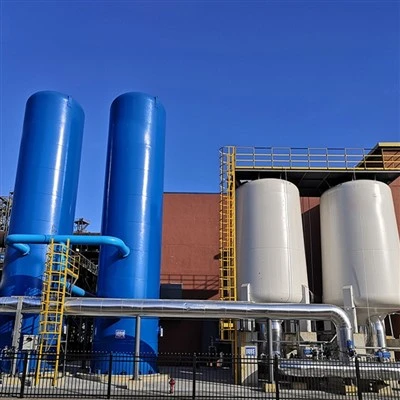
If you’re ready to stop stressing about safety and get a tank that’s built to keep your operation running smooth, reach out to us for a no-obligation consultation. We’ll come to your site, answer all your questions, and make sure you get exactly what you need without cutting corners on safety.
Key Components References
- Cryogenic Storage Tanks: Safety Guidelines for Industrial Applications. American Society of Mechanical Engineers (ASME), 2022.
- Cryogenic Material Compatibility Handbook. International Organization for Standardization (ISO), 2021.
- Occupational Safety and Health Administration (OSHA) Cryogenic Gas Storage and Handling Standards, 2023.
- Vacuum Insulation Performance in Cryogenic Tanks. Cryogenic Engineering Association (CEA) Technical Report, 2022.
- Frostbite and Cryogenic Injury First Aid. National Institute for Occupational Safety and Health (NIOSH), 2021.
Chengdu Hi-tech Panda Energy Technology Co., Ltd.
With abundant experience, we are one of the most professional cryogenic storage tank manufacturers in China. Please feel free to buy high quality cryogenic storage tank for sale here from our factory. Also, customized service is available.
Address: No.1604, 16th Floor, Unit 2, Building 1, No.1700, North Section of Tianfu Avenue, Chengdu High-tech Zone, China (Sichuan) Pilot Free Trade Zone
E-mail: Haikepanda-sos@aliyun.com
WebSite: https://www.haike-energe.com/
