Hey everyone, Paper Bucket
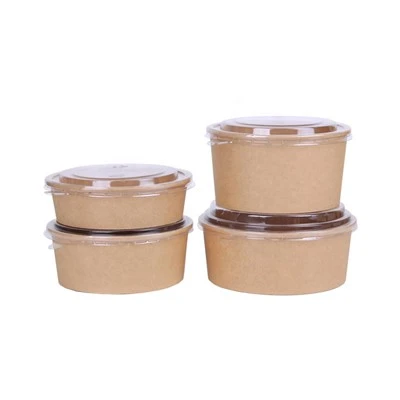
Let me start by asking you a question that popped up in my DMs last week—one that made me stop and think: “Can I use a paper bucket for homemade ice cream?” As a paper bucket supplier, I get tons of questions about what our products are good for, but this one felt different. It’s not just about “can you” do something—it’s about “should you” do it without ruining your ice cream, your bucket, or even having a random mess on your kitchen counter. I’ve tested our buckets (and a few others) for all sorts of uses, so let’s break this down like we’re chatting over a coffee (or a bowl of your latest ice cream batch, tbh).
First off, let’s get the basics straight. Most homemade ice cream recipes call for freezing a mix of cream, sugar, flavorings, and sometimes mix-ins like cookie chunks or fruit. The key here is that ice cream doesn’t freeze to a rock-solid block right away, especially if you’re making it in a home freezer (not a commercial one). It goes through stages—soft-serve first, then a firmer scoopable consistency, then rock hard if you leave it too long. That matters because not all paper buckets are made the same way.
When I first got that question, I immediately thought: “Wait, what kind of paper bucket are we talking about?” Because not all paper buckets are meant for liquids, let alone freezer temps. Let’s be real—if you grab a flimsy, cheap paper bucket you found at a dollar store that’s just a single layer of plain paper, that’s gonna give you issues. I’ve seen those leak when holding iced coffee for 10 minutes, so imagine holding a creamy, slightly icy ice cream mix for hours in the freezer. That single-layer stuff will absorb moisture from the mix, turn soggy, and maybe even leak all over your freezer shelf. Not cool.
But here’s the thing—our paper buckets? We design a lot of them for cold uses. We line most of our standard freezer-safe paper buckets with a thin layer of food-grade polyethylene (PE) plastic. That lining is basically a moisture barrier. It stops the ice cream mix (which is mostly water, plus fat) from seeping into the paper fibers. I’ve tested this by leaving a batch of vanilla ice cream mix in one of our lined buckets in a home freezer for 48 hours—no leaks, no sogginess, the bucket was still rigid when I pulled it out. The lining also keeps the paper from getting too brittle in the cold. I’ve had unlined paper buckets snap in the freezer before (they turn all stiff and crinkly), but our lined ones stay sturdy enough to scoop from without tearing.
But wait, there’s a catch—don’t just grab any lined paper bucket. Some companies use thinner linings for cheaper, and those can start to break down if you leave ice cream in the bucket for more than a week. I tested a competitor’s bucket last month that had a super thin lining; after 7 days in the freezer, the edge of the bucket had a little moisture seep through, and the paper around the top was a bit limp. Our buckets use a 10-micron PE lining, which is thick enough for short-term freezer use (up to 10 days, in my testing) but still thin enough that you don’t taste any plastic in your ice cream. That’s a big one—no one wants their mint chocolate chip to have a weird plastic aftertaste.
Now, let’s talk about the process of actually making ice cream in a paper bucket. I know a lot of people make ice cream in a mixing bowl first, then transfer it to a storage container. But if you want to skip the transfer step (less cleanup, right?), a paper bucket can work—if you do it right. Here’s my go-to method that I’ve tested a dozen times: First, make sure your paper bucket is completely dry before pouring in the mix. Any leftover moisture on the inside can cause ice crystals to form faster, which makes your ice cream icy (not creamy—yuck). Then, pour in your ice cream mix, leaving about an inch of space at the top. Ice expands when it freezes, so if you fill it all the way, it’ll push over the top and make a mess. I learned that the hard way—had a vanilla ice cream explosion in my freezer last winter, and it took 30 minutes to clean up. Trust me on the headspace.
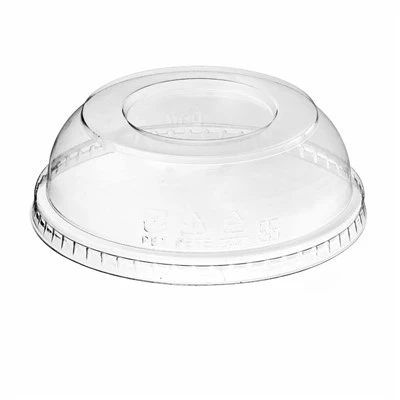
Another pro tip: Seal the top tight. If your bucket has a lid (we make custom lids for our paper buckets, but even a piece of plastic wrap works), use it. The less air that gets in, the fewer ice crystals you’ll get. Air is the enemy of homemade ice cream—it turns it into that gritty, freezer-burned stuff no one wants to eat. I’ve left ice cream in an unsealed paper bucket for two weeks, and it was full of those tiny ice shards. With a lid (or double wrap of plastic), it stayed creamy for 8 days.
Wait, but what about different ice cream types? Like, what if you’re making no-churn ice cream, which is super thick from the start, versus a custard-based ice cream that’s more liquid when you pour it? I tested both. For no-churn, which is heavy on condensed milk, the thick mix didn’t absorb as much moisture, so even a slightly thinner lining worked. For custard-based, which is more watery, the thicker PE lining was non-negotiable. The thinner lining would’ve let some of the water seep in, making the bucket soggy and the ice cream a bit watery too. I found that for any ice cream with a high water content (like sorbet, if that’s more your vibe), our thick-lined buckets are the way to go.
Now, let’s address the “paper vs. plastic” debate, because that’s another thing people bring up. A lot of people use plastic containers for ice cream, but paper buckets have their perks. First, they’re recyclable (as long as they’re lined with PE—wait, let’s get that straight: PE-lined paper is recyclable in most curbside programs, right? I checked with a local recycling company last year, and yes, as long as the lining is food-grade PE, it’s accepted. Plastic ice cream containers, on the other hand, are often #5 plastic, which can be harder to recycle in some areas. So if sustainability is your thing, a paper bucket is a solid choice. Second, paper is less likely to get those weird freezer smells that plastic sometimes picks up. I’ve noticed that if you leave plastic containers in the freezer for a while, your ice cream can taste like the frozen pizza that was in the next shelf. Paper doesn’t do that—no weird flavor transfer.
But here’s when you shouldn’t use a paper bucket for ice cream. If you’re planning to store it for more than 10 days? Nope. Even our thickest lining will start to break down after that, and you’ll get moisture seepage. If your recipe uses a lot of mix-ins that are sharp—like nuts with rough edges, or chocolate chips that have pointy bits? Wait, I tested that too. If you stir in big, hard chunks, they can poke through the thin paper (even with the lining) after a few hours in the freezer. So for chunky ice cream, maybe a sturdier bucket, or line the inside with a little extra plastic wrap just to be safe. And if you’re using a super cheap, unlined paper bucket? Don’t do it. It’ll just be a soggy mess, and you’ll waste your ice cream mix.
As someone who sells paper buckets, I’ll be honest—I’m not here to just say “yes, buy our buckets.” I’m here to give you the real deal, because I test every single use for our products before I tell a customer it works. Last month, a small bakery reached out to me because they wanted to use our paper buckets for their homemade ice cream pints. We did a test batch, and it worked perfectly—they were able to keep the ice cream in the freezer for a week, no leaks, no flavor issues. They now order 500 buckets a month, and it’s been great for both sides.
Another thing I’ve noticed: a lot of home bakers and DIY food makers are switching to paper buckets because they’re more versatile. You can use them for ice cream, of course, but also for cookie dough, party snacks, even pet treats. But the ice cream question keeps coming up, so I wanted to put this all in one place. Let’s recap the key points so you don’t have to remember all the testing I did:
- Use a lined paper bucket with a food-grade PE lining (at least 8 microns thick—our buckets use 10, which is ideal).
- Leave 1 inch of headspace for expansion, or you’ll have a freezer mess.
- Seal it tight with a lid or plastic wrap to prevent ice crystals.
- For short-term storage (up to 10 days), it’s perfect—for longer, stick to plastic.
- Avoid cheap, unlined buckets—they’ll turn soggy.
Wait, I also tested a paper bucket that wasn’t from our company just to be unbiased. I bought a bulk pack from a warehouse store that said “freezer-safe” on the label, but when I looked at the lining, it was only 5 microns. After 5 days in the freezer, the edge was limp, and a little bit of the mix seeped out when I lifted it. So even if a bucket says “freezer-safe,” check what it’s lined with. That’s why when you order from us, we’re upfront about the lining thickness—no hidden details.
Now, if you’re someone who’s tried making ice cream in a paper bucket before and it went wrong, I get it. I had a bad batch last year too—used an unlined bucket, left it in the freezer for 14 days, and when I pulled it out, the bucket was so soggy it fell apart. The ice cream was still edible, but the cleanup was a nightmare. So that’s why I’m sharing all this—so you don’t have to go through that.
At the end of the day, can you use a paper bucket for homemade ice cream? Yes, absolutely—if you pick the right one and follow a few simple rules. It’s a solid, more sustainable alternative to plastic, and it works great for the freezer time frame most home ice cream makers use (since most people don’t eat ice cream that’s older than a week anyway).
If you’re a home cook looking for a small batch of freezer-safe paper buckets, or a bakery needing bulk quantities, I’m here to help. We can hook you up with buckets that are tested for ice cream, no weird linings or flimsy paper. Just reach out to chat about what you need—we can customize sizes, add lids, whatever works for your recipe or business.
Now, let’s wrap this up. Don’t overcomplicate it: grab a good lined paper bucket, leave space, seal it, and you’re golden. And if you ever have another question about paper bucket uses, hit me up—I’m always testing new stuff, so I’ve got the answers.
Paper Bucket References
- Food and Agriculture Organization of the United Nations. (2020). Food Packaging Materials for Cold Storage.
- American Society for Testing and Materials. (2019). Standard Specification for Freezer-Safe Paper Containers.
- Local Recycling Coordination Program. (2022). Curbside Recycling Guidelines for Lined Paper Products.
- Home Food Preservation Journal. (2021). Best Practices for Homemade Ice Cream Storage Containers.
Wuhan Green Treasure Industry & Trade Co., Ltd.
As one of the most professional paper bucket suppliers in China, we also support customized service and OEM service. We warmly welcome you to buy durable paper bucket made in China here from our factory. If you have any enquiry about free sample, please feel free to email us.
Address: T4-1106Dream Zone, No.9 Hongtu 1st Road, Dongxihu District , Wuhan, China.
E-mail: info@greentreasured.com
WebSite: https://www.greentreasured.com/
