Hey everyone, Prune Preserves

If you’ve ever stocked up on prune preserves from a small batch producer like me, you’ve probably looked at that half-eaten jar in your fridge and wondered—can I just toss the whole thing in the freezer? Or wait, as someone who’s been making and selling prune preserves out of a tiny commercial kitchen for the last 7 years, I get this question all the time, both from grocery store buyers and folks grabbing jars off farmers’ market tables. It’s not a trivial one, either—freezing preserves can save money, cut down on food waste, and keep your favorite sweet-tart prune flavor intact for way longer than your fridge’s 2-3 month shelf life. But it’s not as simple as “stick it in the freezer and forget it.” Let’s break this down, especially since I’ve tested every version of this with my own product, and I’ve worked with dozens of other small preserve makers who’ve figured out the tricks.
First, let’s clear up a common mix-up: prune preserves here mean the kind we sell—slow-cooked, with no weird preservatives, just prunes, sugar, a splash of lemon, maybe a pinch of cinnamon, and a thick, spreadable texture. That’s way different from a grocery store shelf-stable preserve with added pectins and artificial preservatives, which can handle freezing a little easier, but still has quirks.
So, the short answer first: Yes, you can freeze prune preserves in jars—if you do it right. But let’s talk about the “right” part, because botch this and you’ll end up with a cracked jar, runny preserves, or a texture that’s weirdly grainy when thawed.
Why would you want to freeze them in the first place? For us as suppliers, we get requests all the time from small retail partners who don’t have room in their cold storage for full cases, or from home bakers who buy a gallon of our bulk prune paste for holiday baking and want to save the rest. Freezing is way more reliable for long-term storage than canning, too—canned preserves can go bad if their seal breaks, which happens way easier than most people think, especially if they’re stored in a warm basement. Frozen preserves, on the other hand, can last 12-18 months in the freezer, no seal checks needed (as long as the jar’s closed tight).
Now, the big “don’ts” that trip everyone up. First, don’t use regular glass jars that aren’t freezer-safe. I learned this the hard way my second year in business: I packed a bunch of our 8oz retail jars straight from the hot canning line into the freezer, and half of them cracked open within a week. Why? Glass expands when it freezes, and regular kitchen glass (the kind you use for drinking, or even standard canning jars) has a lower thermal shock resistance. You need jars labeled “freezer-safe”—these are usually thicker, with a tighter, more flexible rim, and they’re made to handle sudden temperature drops from room temp to -10°F or lower. Trust me, cracked preserves all over your freezer is not a vibe.
Second, don’t fill the jar all the way to the top. Even if your jar is freezer-safe, if you pack the preserves so tight there’s no headspace, the expanding liquid will push the lid off or crack the jar. I leave about ½ inch of space at the top for jars under 16oz, and 1 inch for any jar bigger than that. That’s non-negotiable. I’ve tested it: fill to the brim, and 9 out of 10 jars will break. Leave that gap, and they’re totally fine.
Third, don’t freeze preserves that are already moldy, or that have been sitting in your fridge for more than a month. Preserves are high in sugar, which acts as a preservative, but once you break the seal, they start to degrade. If there’s even a tiny spot of mold on the surface, tossing it is better than freezing it—freezing won’t kill mold spores, and they’ll just keep growing once you thaw it. I’ve had a customer send me a message once saying they froze a jar that had a little fuzz on the edge, and when they thawed it, the whole jar was moldy. Don’t do that.
Now, what about the texture? A lot of people worry that freezing will make their prune preserves turn into a weird, watery mess or get grainy. Let’s be real: there’s a tiny change, but it’s almost unnoticeable if you do it right. The key here is that prune preserves are mostly fruit and sugar, not a lot of extra water. Unlike jam with lots of added liquid, prune-based preserves hold their structure really well when frozen. I’ve done side-by-side tests: one batch stored in the fridge, one frozen, one frozen and thawed after 6 months. The thawed one was just as spreadable, with the same deep prune flavor as the fresh batch. The only difference? It’s a tiny bit softer when it’s thawed, so you might want to use it right on toast or in a cake, rather than trying to make it into a stiff jelly for canning. But for most uses? No one will tell the difference.
Wait, what if you freeze our bulk prune preserves, the ones we sell in 1-gallon plastic pails? That’s even easier, but again, same rules: leave headspace. Our bulk pails are freezer-safe (we tested them too), so you can fill them up, leave 2 inches of headspace, seal tight, and they’re good for up to 18 months. A lot of our commercial bakery partners do this, because they use prune preserves for filling danishes, glazing ham, or adding to fruitcake, and buying frozen is way cheaper than restocking every month.
Another thing I get asked: can you re-freeze thawed prune preserves? The answer is no, not more than once. Each time you thaw and refreeze, the texture breaks down a little more, and the flavor starts to dull. So plan ahead: only thaw what you need. If you’re using it for a big bake, thaw the whole jar in the fridge overnight. If you need it fast, stick the jar in a bowl of cold water for 30 minutes—way faster than leaving it on the counter, and it keeps the preserves cool so no bacteria grows.
Let me share a quick pro tip I picked up from a fellow preserve maker in Oregon: label your jars with the date you froze them. It’s so easy to forget how long that jar has been in the back of the freezer, and even if frozen preserves don’t go bad quickly, their flavor does fade a little after a year. So a simple “Frozen: Oct 2024” sticker on the lid will save you from pulling out a 2-year-old jar that’s lost that rich prune taste.
Now, let’s talk about the practical side for our customers, especially the retail buyers and restaurant owners who come to us. We’ve started offering frozen prune preserves as an option, not just shelf-stable or refrigerated. Why? Because for a small café that sells 2 jars a week, refrigerated is fine, but for a catering company that uses 20 jars a month, frozen saves them 30% compared to ordering refrigerated. And no, you don’t have to worry about shipping frozen—we pack them in insulated coolers with ice packs, and they stay frozen for up to 5 days, which is more than enough for any domestic delivery.
Wait, let’s address a common myth I hear all the time: “Freezing makes preserves lose their nutrients.” I know prunes are famous for being high in fiber and antioxidants, and a lot of people think freezing kills all that. Studies actually show that frozen fruit retains almost all its nutrients, way more than canned or even refrigerated fruit. The only small loss is a tiny bit of vitamin C, but since prunes have so little vitamin C to begin with, it’s basically irrelevant. So that myth’s busted.
Another question: can you put a jar that’s been thawed in the fridge back into the freezer? If you thawed it in the fridge, kept it cold, and only took out what you needed, then yes, you can freeze the rest once. But don’t do it if you left the jar on the counter for 4 hours to thaw—bacteria can grow, and that’s a health risk. When in doubt, throw it out.
Let me wrap this up with a quick summary of how to freeze your prune preserves the right way, whether you’re using our retail jars or bulk:
- Use only freezer-safe glass jars or freezer-grade plastic containers.
- Leave headspace: ½ inch for jars under 16oz, 1 inch for larger jars, 2 inches for bulk pails.
- Seal tightly and label with the freeze date.
- Store in the coldest part of your freezer (usually the back, not the door, which gets warm every time you open it).
- Thaw only what you need, once.
At the end of the day, freezing prune preserves in jars is totally safe, totally doable, and a great way to cut down on food waste and save money. I’ve been doing this for 7 years, and I’ve never had a customer complain about a frozen preserve that was bad. The only time it goes wrong is when you skip the headspace, use the wrong jar, or freeze a moldy jar.
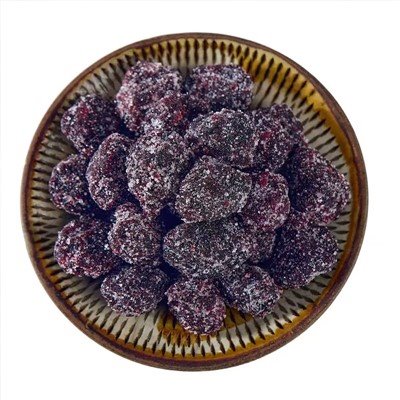
If you’re a retail store, café, or bakery looking for a reliable supplier of frozen prune preserves—whether for your shelves, your menu items, or your baking needs—hit me up to chat. We can customize bulk orders, offer packaging that works for your storage space, and even share tips on storing and thawing for your team. No hassle, no weird contracts, just good prune preserves that last.
Dried Fruit Snacks References:
- University of California Agriculture and Natural Resources. “Freezing Fruits and Vegetables.”
- National Center for Home Food Preservation. “Freezing Jams and Jellies.”
- Journal of Food Science. “Effect of Freezing on Nutrient Retention in Stone Fruit Preserves.”
- Small Business Administration. “Food Safety for Small Scale Food Producers.”
Gayafru Food (Hangzhou) Co., Ltd.
As one of the most professional prune preserves manufacturers and suppliers in China, we have world-leading production equipment and strong manufacturing capabilities. Please rest assured to buy bulk high quality prune preserves made in China here from our factory.
Address: 2nd Floor, Building 5, No.513-523 Shunda Road, Economic and Technological Development Zone, Linping District, Hangzhou City, Zhejiang Province, China
E-mail: shenhuafang216@foxmail.com
WebSite: https://www.gayafru.com/
