If you’ve ever stood in a grocery store staring at a perfectly stacked display of cereal boxes, or hauled home a 50-pound bag of dog food that doesn’t tear at the seams before you reach your car, you’ve interacted with a bagging machine—even if you didn’t realize it. I’ve spent the last 12 years on the ground as a bagging machine supplier, walking alongside small farm owners figuring out their first packaging line and large manufacturing directors needing to scale from 100 bags a shift to 10,000. Over that time, the most common question I get isn’t about price or lead times. It’s: What actually can this machine package? Bagging Machine
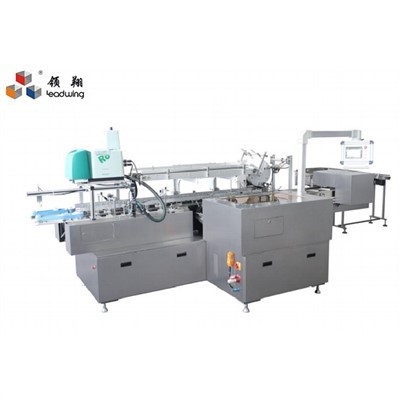
It’s a fair question. For people who’ve never worked in packaging, the phrase “bagging machine” calls up images of just 50-pound seed bags or grocery store produce. But modern bagging equipment is far more versatile than that—and knowing what it can handle can mean the difference between a product that sits on store shelves and one that flies off them. Let’s break this down by industry, with real examples I’ve seen first-hand, to clear up the confusion.
First, let’s start with the category that birthed the bagging machine as we know it: agriculture. For decades, small grain farms used manual labor to fill and seal bags, a process that was slow, inconsistent, and costly. Early bagging machines solved that problem, and today, they’re still the backbone of farm operations. But the range of ag products we package for farmers now is way beyond just wheat and corn. I worked with a family-run specialty grain farm in Iowa last year that needed to package roasted chia seeds for bulk wholesale and individual retail pouches. A single vertical form-fill-seal (VFFS) bagging machine—specifically fitted with a low-static feed system to stop chia seeds from clumping mid-fill—handled both: 50-pound bulk bags for co-ops and 1-ounce resealable pouches for health food stores. That same line also handles dried lentils and quinoa; the only adjustment we made was swapping out the fill nozzle to match the material’s density. Even fresh produce uses bagging machines, though many people don’t notice it. I visited a produce distributor in Florida that uses semi-automatic baggers for baby carrots, cutting down on labor and reducing contamination from manual handling. The machine uses perforated bags that let air circulate, keeping carrots fresh longer in grocery store displays. What I tell farm owners every time is this: if it’s a dry, granular, or semi-dry agricultural product, there’s a bagging machine that can package it—you just need to match the machine type to the material’s flow.
Next, the food and beverage industry is where bagging machines show their most impressive range. I’ve packaged everything from crispy snacks to liquid-based mixes here, and the adaptability is incredible. Let’s start with the snack sector, which is probably the most familiar. Potato chips, pretzels, and popcorn are all packaged using vertical bagging machines that fill bags and apply nitrogen to keep snacks fresh. Last year, I helped a small gourmet popcorn startup scale from farmers market sales to national grocery stores. They were packing 4-ounce resealable bags manually at first, which limited them to 200 bags a day. A small VFFS bagger upped that to 2,000 bags a shift, and we added a gas flushing system to keep their caramel corn from going stale. But it’s not just dry snacks. Think about cake mixes, protein powders, and even liquid-based products like soup bases or sauces. For those, we use either auger fillers (for powder) or liquid-specific nozzles that don’t spill. A client in Ohio makes gluten-free protein powder in bulk 25-pound bags for gym chains; the auger filler’s precision ensures they get exact portions every time, which is critical for nutritional labeling accuracy. Even frozen foods? We’ve worked with a frozen vegetable processor that uses a special open-mouth bagging machine with heated seals to handle frozen products without damaging the bag—keeping moisture out and freezer burn at bay. The key here is that food-related products have strict FDA guidelines for packaging materials, so we always pair the right machine with food-grade bags, whether that’s plastic, paper, or compostable films for brands focused on sustainability.
Then there’s the industrial and chemical sector, which is often overlooked but where bagging machines are non-negotiable for safety and efficiency. Industrial products are often heavy, dusty, or hazardous, so packaging them manually is not just inefficient—it’s risky. I worked with a construction materials company in Texas that packages concrete admixtures and masonry sand in 50-pound and 80-pound bags. A semi-automatic open-mouth bagger with dust extraction systems was a game-changer for them; before that, workers were exposed to silica dust for hours a day, which posed long-term health risks. For hazardous materials, like industrial cleaning chemicals or agricultural pesticides, we use fully automatic bagging machines with explosion-proof components and specialized liners that prevent leaks. Last year, a chemical manufacturer came to me with a problem: their liquid herbicide was leaking during packaging, leading to product waste and safety incidents. We installed a machine with a precision weight check system and a secondary seal, cutting leakage by 98% and saving them over $15,000 a month in lost product. The industrial space is all about reliability and safety, and bagging machines here aren’t just for packaging—they’re for protecting workers and reducing waste.
Now, the underrated area: pharmaceuticals and personal care products. This is where precision is everything, and bagging machines shine because they can handle small, delicate items without damage. I’ve worked with a herbal supplement brand that packages individual vitamin tablets in blister packs and bulk 10-pound bags of loose powder for distributors. The machine’s gentle feed system ensures tablets don’t crack or get crushed, which is critical for companies that have to meet FDA accuracy standards for product counts. For personal care, think about things like bath salts, face masks, and even laundry detergent pods. A client in California makes organic bath bombs; we used a combination of a vertical bagger and a custom pouch design to package them, adding a tear-notch for consumers. The machine’s ability to seal airtight is key here, because bath bombs need to stay dry and intact until they’re used. Even small, hard-to-handle items like cotton swabs or makeup brushes can be packaged with custom bagging machines that use card inserts and clear films, making retail displays look neat and professional.
Wait, but what about products that don’t fit these categories? I get that question a lot too. Can you package fragile items like glass ornaments? Yes—we’ve worked with a holiday decor company that uses pillow-style bagging machines with soft, protective liners to package glass ornaments, so they don’t chip during shipping. Can you package loose items like craft beads or small toys? Absolutely, we use volumetric fillers that adjust to different sizes without needing major changes. The only real limit is whether the product can flow through a feed system—so if it’s something that’s extremely irregular, sticky, or has large pieces that can jam the machine, we can often modify the machine to handle it. For example, a craft supply company once had issues with large wooden craft sticks getting stuck in the fill mechanism, so we installed a vibrating feed tray that separated them and ensured smooth filling.
Now, I want to be clear: not all bagging machines are the same. When a client comes to me and says, “I need a bagging machine,” my first question is always about what they’re packaging. A machine that works for agricultural seeds won’t work for liquid pharmaceutical products, and a machine that handles 50-pound bulk bags isn’t ideal for 1-ounce retail pouches. That’s why I take the time to walk through their operation, look at their product, their production volume, and their regulatory requirements before recommending anything. For example, a small bakery starting out might only need a semi-automatic bagging machine that’s easy to use and affordable, while a large snack manufacturer might need a fully automatic line that can run 10,000 bags an hour.
One thing I always emphasize is the difference between new and used bagging machines, but that’s a whole other topic. The point here is that versatility is the biggest strength of modern bagging equipment. As a supplier, my job isn’t just to sell a machine—it’s to find a solution that works for their specific product, whether that’s a small startup packaging organic granola or a large industrial firm handling hazardous chemicals.
If you’re a business owner wondering if a bagging machine can work for your product, don’t assume it can’t because you haven’t seen it done before. I’ve seen machines adapt to coffee beans, artisanal chocolate, even pet treats. The technology has come a long way, and there’s a custom solution for almost every product.

At the end of the day, a bagging machine is more than just a tool to fill bags. It’s a way to improve efficiency, reduce waste, keep products safe, and help you scale your business. If you’re ready to talk about what products you need to package, I’m here to help you find the right solution—no sales pitch, just real advice from someone who’s been in this industry for over a decade. Let’s connect to discuss your needs and find the perfect bagging machine for your operation.
Automatic Cartoning Machine References
- Food and Agriculture Organization of the United Nations. (2022). Modern Bagging Technologies for Small-Scale Agricultural Producers.
- Institute of Packaging Professionals. (2021). Best Practices for Packaging Food and Pharmaceutical Products.
- Occupational Safety and Health Administration. (2020). Safety Guidelines for Industrial Packaging Machinery.
- International Society of Pharmaceutical Engineering. (2022). Precision Packaging for Solid Oral Dosage Forms.
Wenzhou Leadwing Machingry Co., Ltd.
With abundant experience, we are one of the most reliable bagging machine manufacturers and suppliers in China. We warmly welcome you to buy advanced bagging machine made in China here from our factory. All customized machines are with high quality and low price.
Address: Room 101, Unit 2, Building 10B, Zilai Entrepreneurial Park, Wanquan Town, Pingyang County, Wenzhou City, Zhejiang Province
E-mail: wzleadwing@163.com
WebSite: https://www.leadwingmach.com/
