If you’re new to the industrial parts game, or just someone who’s had to spec a valve for a project and got overwhelmed by all the different options, you’ve probably stumbled on forged valves at some point. I’ve been a forged valve supplier for over a decade now, and one question I get more than any other is: “What’s the size range for forged valves?” It makes total sense—size is non-negotiable when you’re designing a pipeline, a refinery, a power plant, or even a food and beverage processing line. Get the size wrong, and you’re looking at leaks, pressure drops, or even total system failure. Forged Valves
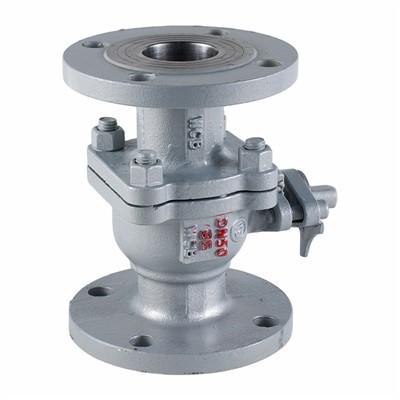
Let’s cut the jargon, because that’s what most suppliers hide behind, right? Forged valves aren’t the same as cast valves. They’re made by heating a solid metal bar (forging stock) and hammering or pressing it into shape, which makes the metal grain structure tighter and more uniform. That’s why they’re stronger, more durable, and better for high-pressure, high-temperature, or corrosive environments—think oil and gas, chemical processing, nuclear power, and even aerospace parts. The forging process also means we don’t have to deal with the porosity or weak spots that can happen with cast metal, so these valves can handle way more stress than their cast counterparts.
Now, size. This is where things get a little nuanced, because “size” for valves can mean two things: nominal pipe size (NPS) and inches/millimeters, or internal bore size. But when people ask about the size range, they almost always mean the nominal size, which is the industry-standard way to reference valve dimensions.
Here’s the real tea: most standard forged valves run from ½ inch NPS up to 24 inches NPS. Wait, hold up—don’t zone out on me, let’s break that down. ½ inch is tiny, like the size of your pinky finger. You’d use those for small, low-flow lines, maybe in a lab, a small chemical feeder, or a plumbing system for a small process. At the other end, 24 inches is almost 2 feet in diameter. That’s a big valve, used in main pipeline connections, refinery process headers, or power plant steam lines.
But wait—this is the standard range. A lot of people don’t know that we can make forged valves outside that range if you need them. I’ve had customers come to me with a custom 28-inch forged gate valve for a new pipeline project, or a ¼-inch forged ball valve for a precision medical device line. The key here is that forging is a flexible process, so the size isn’t set in stone—standard lines are for the most common uses, but custom sizes are totally doable, as long as you have the specs (pressure rating, material, flow requirements, etc.).
Let’s get specific about the common sizes and what they’re used for, because that’s the part that actually matters. Let’s start with the small end: ½, ¾, and 1 inch NPS. These are your workhorses for low-flow, low-pressure applications. Think of a small water treatment plant’s chemical injection lines, or a food processing line that moves small batches of syrup or oil. You’d also see these in HVAC systems for large buildings, where you need precise control over small amounts of fluid. I stock these sizes all year round because they’re the most requested—most projects need a few of these for ancillary lines.
Next, the mid-range: 1 ½, 2, 3, 4, 6, 8, 10, 12, 14, 16, 18, 20, 22, and 24 inches NPS. This is where most of the heavy-lifting happens. Let’s take 2 inches: that’s used for small process lines in refineries, oil well production lines, or fire suppression systems for industrial buildings. 4 inches is a big jump—you’d use that for main process lines in a chemical plant, or a natural gas distribution line for a large facility. 8 inches is a common size for main pipeline segments, while 12 to 24 inches are for the big boys: refinery crude oil lines, power plant steam headers, and cross-country pipeline connections.
What about pressure ratings? Size and pressure go hand in hand, right? A ½-inch forged valve can handle way more pressure than a 24-inch one, because the smaller the part, the thicker the metal walls can be. Common pressure classes for forged valves are Class 150, Class 300, Class 600, Class 900, Class 1500, and Class 2500. Class 150 is low pressure, good for general use, while Class 2500 is extreme—for super-heated steam or high-pressure oil and gas wells. A 6-inch Class 600 forged valve is way stronger than a 6-inch Class 150, obviously, so you can’t just pick a size without matching it to your pressure needs.
Now, the custom size stuff. Like I said, we do way outside the standard range. Last year, I worked with a company that builds parts for nuclear submarines—they needed a 26-inch forged globe valve that could handle extreme pressure and corrosion. We had to forge custom tooling to get that size right, but it worked out great. Another customer needed a ¼-inch forged check valve for a semiconductor manufacturing line—those have to be tiny, precision-made, because even a speck of metal can ruin a silicon wafer. So don’t think that the standard range is the only option. If you have a unique project, just tell us what you need, and we can make it happen.
Wait, let’s clear up a common myth: some people think forged valves only come in small sizes, but that’s totally wrong. The forging process can handle big sizes, you just need a press big enough to shape the metal. 24 inches is a common maximum for standard forging presses, but with custom setups, you can go bigger. I’ve seen forged valves up to 30 inches, though those are rare and only for very specific applications.
What about materials? Does that affect size? A little, but not much. Forged valves are made from all kinds of metals: carbon steel, stainless steel, alloy steel, even bronze or titanium for specialized uses. Titanium forged valves, for example, are lighter than steel, so a titanium valve in the same size as a steel one can handle a bit more, but the size range stays roughly the same. The material changes the strength and corrosion resistance, not the core size range.
Now, why does this size range matter for you? If you’re a project manager, an engineer, or a maintenance tech, picking the right size forged valve is crucial for performance and cost. A too-small valve will cause a pressure drop, which makes your system work harder, uses more energy, and can even damage other parts. A too-big valve is a waste of money—you’ll pay more for the extra metal, and it might not control flow as precisely as a smaller one.
I always tell customers to come to me with their system specs: what’s the flow rate, what’s the pressure, what’s the temperature, what fluid are you moving? That way, I can point you to the right size, pressure class, and material. A lot of people think they just need a “forged valve” and grab the first size they see, but that’s a mistake. I’ve had too many customers come back because they bought the wrong size from a cheap supplier and had to replace it 6 months later. Forged valves are an investment—buying the right size the first time saves you time, money, and headaches.
Let’s also talk about common mistakes I see. One big one is mixing up nominal pipe size (NPS) and actual inner diameter. For example, a 2-inch NPS valve doesn’t have a 2-inch inner bore—wait, no, actually, modern valves are pretty close, but NPS is a standard reference that’s been around for decades, so it’s not exact. That’s why if you’re replacing a valve, you should measure the old one, not just go by the size number. Another mistake is not accounting for future expansion. If you’re building a new line, it might be tempting to go with a smaller valve to save money, but if you plan to increase flow down the line, you’ll have to replace the valve sooner. That’s where a mid-range size that leaves a little room is a good call.
What about the future of forged valve sizes? I’ve been in this game long enough to see demand for both smaller and larger valves grow. With more precision industries like semiconductor manufacturing, we need smaller, tighter-tolerance forged valves. And with more infrastructure projects—like new pipelines, power plants, and renewable energy projects (wind, solar, hydrogen)—we’re seeing more demand for larger forged valves that can handle high pressures for hydrogen or carbon capture systems. So the size range is expanding a little, but the core standard of ½ to 24 inches is still where most of the action is.
At the end of the day, if you’re still confused about what size forged valve you need, don’t overcomplicate it. Hit us up with your project details, and we can walk you through it. We don’t do pushy sales tactics—just honest advice, because we’ve been doing this for so long, we know what works. We’ve supplied forged valves to refineries, power plants, food processing plants, aerospace companies, and more, so we’ve seen almost every application out there.
Whether you need a tiny ¼-inch check valve for a lab line, a mid-range 8-inch gate valve for a main process line, or a custom 26-inch globe valve for a specialized project, we can deliver. The size range of forged valves is flexible, but the key is matching that size to your specific needs, not just picking a number off a chart. If you’re tired of dealing with suppliers who give you generic answers and sell you the wrong part, let’s talk. We’ll make sure you get exactly what you need, on time, and at a fair price.
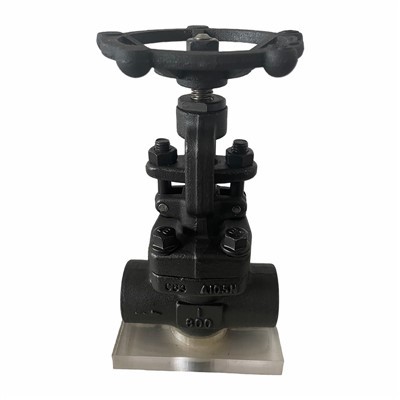
Don’t waste another second guessing about valve sizes. Reach out to us today to chat through your project requirements, and we’ll help you pick the perfect forged valve for the job.
T-type Filter References:
- Valve Manufacturers Association (VMA). (2022). Forged Valve Design and Application Standards.
- ASME B16.34. (2021). Valves – Flanged, Threaded, and Welding End.
- American Petroleum Institute (API) 602. (2020). Steel Gate, Globe, and Check Valves for Refinery Service.
- Forging Industry Association (FIA). (2023). Forged Components for Industrial Applications.
- International Organization for Standardization (ISO) 14313. (2019). Petroleum and natural gas industries – Pipeline transportation systems – Valves.
Xiongxiang Valve Group Co., Ltd.
As one of the most professional forged valves manufacturers and suppliers in China, we’re featured by quality products and good price. Please rest assured to wholesale cheap forged valves for sale here from our factory. Contact us for more details.
Address: Building 1, No.306, 12th Binhai Road, Jinkai District, Wenzhou City, Zhejiang Province, China
E-mail: info@xiongxiangvalve.com.cn
WebSite: https://www.steelvalvegroup.com/
