The lifespan of a gate valve is a crucial consideration for industries relying on fluid control systems. As a gate valve supplier, I’ve witnessed firsthand the diverse factors that influence how long these valves can effectively serve. In this blog, I’ll delve into the key elements that determine the lifespan of a gate valve, share insights on extending its service life, and explain why choosing the right gate valve is essential for your operations. Gate Valve
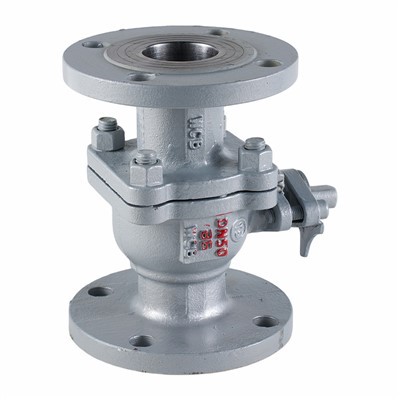
Factors Affecting the Lifespan of a Gate Valve
Material Quality
The materials used in manufacturing a gate valve play a fundamental role in its longevity. High – quality materials are more resistant to corrosion, wear, and erosion. For instance, gate valves made from stainless steel are highly resistant to rust and can withstand harsh chemical environments. In contrast, valves made from lower – grade materials may start to corrode or degrade quickly, especially when exposed to aggressive fluids or high – humidity conditions. The type of metal alloy, its purity, and the manufacturing process all contribute to the overall durability of the valve.
Operating Conditions
The environment in which a gate valve operates has a significant impact on its lifespan. Valves used in high – temperature applications, such as in power plants or refineries, face thermal stress that can cause the valve components to expand and contract. Over time, this repeated expansion and contraction can lead to cracks and leaks. Similarly, valves in high – pressure systems are subject to greater mechanical stress. If the pressure exceeds the valve’s rated capacity, it can cause deformation of the valve body or damage to the sealing components.
The nature of the fluid being controlled also matters. Fluids with abrasive particles, such as slurries, can cause significant wear on the valve seats and gates. Chemicals can react with the valve materials, leading to corrosion and degradation. For example, acidic fluids can eat away at metal surfaces, while alkaline substances may cause scaling.
Maintenance Practices
Proper maintenance is vital for extending the lifespan of a gate valve. Regular inspections can help detect early signs of wear, corrosion, or leakage. Lubrication of moving parts, such as the stem and the packing, reduces friction and prevents premature wear. Tightening loose bolts and nuts ensures the structural integrity of the valve.
Failure to perform routine maintenance can lead to a rapid decline in the valve’s performance. For example, if the packing is not replaced when it becomes worn, it can result in leakage, which not only wastes the fluid being controlled but can also cause damage to the surrounding equipment.
Frequency of Operation
The number of times a gate valve is opened and closed also affects its lifespan. Each operation subjects the valve components to mechanical stress. Valves that are frequently opened and closed, such as those in continuous – flow systems, experience more wear and tear compared to valves that are only operated occasionally. In some cases, the repeated movement can cause the gate to become misaligned or the seats to wear unevenly, leading to leakage.
Average Lifespan Estimates
It’s difficult to provide a one – size – fits – all answer to the question of how long a gate valve lasts. However, under normal operating conditions and with proper maintenance, a well – made gate valve can last anywhere from 10 to 25 years.
In industrial settings with relatively mild operating conditions, such as water treatment plants where the fluid is clean and the pressure and temperature are within normal ranges, a gate valve may last towards the upper end of this range. On the other hand, in harsh environments like chemical processing plants or offshore oil rigs, the lifespan may be closer to the lower end, especially if the valve is exposed to highly corrosive substances or extreme pressures.
Extending the Lifespan of a Gate Valve
Selecting the Right Valve
The first step in ensuring a long – lasting gate valve is to choose the right one for your application. Consider the operating conditions, such as the fluid type, temperature, pressure, and flow rate. Select a valve made from appropriate materials that can withstand the specific environment. For example, if you’re dealing with corrosive chemicals, a valve made from corrosion – resistant alloys like Hastelloy or Inconel may be a better choice.
Regular Maintenance
As mentioned earlier, regular maintenance is crucial. Establish a maintenance schedule that includes inspections, lubrication, and replacement of worn parts. Train your maintenance staff to recognize the signs of valve wear and to perform maintenance tasks correctly. Keep a record of all maintenance activities, including the date of inspection, the parts replaced, and any issues detected.
Monitoring and Control
Implement a monitoring system to keep track of the valve’s performance. This can include sensors that measure pressure, temperature, and flow rate. By monitoring these parameters, you can detect any abnormalities early and take corrective action before they lead to major problems. For example, if the pressure across the valve suddenly increases, it could indicate a blockage or a problem with the valve’s operation.
Why Choose Our Gate Valves
As a gate valve supplier, we take pride in offering high – quality products that are designed to last. Our gate valves are manufactured using the latest technology and the finest materials. We have a team of experienced engineers who ensure that each valve meets the highest standards of quality and performance.
We understand that every application is unique, and we work closely with our customers to provide customized solutions. Whether you need a gate valve for a small – scale water supply system or a large – scale industrial plant, we have the expertise and the product range to meet your needs.
Our commitment to customer satisfaction extends beyond the sale. We offer comprehensive after – sales support, including maintenance services and technical advice. We also provide training to our customers’ staff to ensure that they can operate and maintain our valves effectively.
Conclusion

The lifespan of a gate valve is influenced by multiple factors, including material quality, operating conditions, maintenance practices, and frequency of operation. By understanding these factors and taking appropriate measures, you can extend the service life of your gate valves and ensure the smooth operation of your fluid control systems.
Gate Valve If you’re in the market for a reliable gate valve, we invite you to contact us for a consultation. Our team of experts will be happy to discuss your requirements and help you select the best valve for your application. We look forward to working with you to provide high – quality gate valves that meet your needs and exceed your expectations.
References
- ASME Boiler and Pressure Vessel Code, Section VIII, Division 1
- API 600 – American Petroleum Institute Standard for Steel Gate Valves
- ANSI B16.34 – American National Standard for Valves – Flanged, Threaded, and Welded Ends
Xiongxiang Valve Group Co., Ltd.
As one of the most professional gate valve manufacturers and suppliers in China, we’re featured by quality products and good price. Please rest assured to wholesale cheap gate valve for sale here from our factory. Contact us for more details.
Address: Building 1, No.306, 12th Binhai Road, Jinkai District, Wenzhou City, Zhejiang Province, China
E-mail: Clairesun2312@outlook.com
WebSite: https://www.steelvalvegroup.com/
