Hey there! I’m a supplier of dyeing auxiliaries, and today I’m gonna chat about the applications of these nifty products in the textile industry. Dyeing Auxiliaries
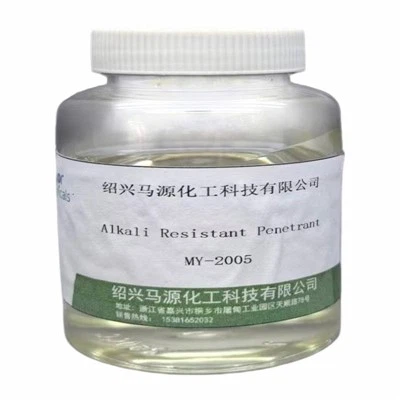
Let’s start by understanding what dyeing auxiliaries are. They’re basically chemicals that help in the dyeing and finishing processes of textiles. They play a crucial role in making the whole process more efficient, and they also improve the quality of the dyed fabrics.
1. Improving Dye Uptake
One of the most important applications of dyeing auxiliaries is to improve dye uptake. You see, when we dye fabrics, we want the dye to be evenly distributed and to stick well to the fibers. Dyeing auxiliaries like leveling agents come in really handy here.
Leveling agents work by ensuring that the dye is absorbed evenly across the fabric. They prevent the dye from concentrating in certain areas, which can lead to uneven color. For example, in a large batch of fabric being dyed, without a leveling agent, some parts might end up darker than others. But with the right leveling agent, we can achieve a consistent color throughout the fabric.
Another type of auxiliary that helps with dye uptake is the dye carrier. Dye carriers are used mainly for synthetic fibers like polyester. These fibers are a bit stubborn when it comes to accepting dyes. Dye carriers help to open up the fiber structure, allowing the dye to penetrate more easily. This means we can get a deeper and more vibrant color on the fabric.
2. Enhancing Color Fastness
Color fastness is a big deal in the textile industry. No one wants their clothes to fade after a few washes. That’s where dyeing auxiliaries like fixing agents come in.
Fixing agents help to bind the dye to the fabric fibers more firmly. They form a kind of protective layer around the dye molecules, preventing them from washing out easily. For example, in cotton fabrics, we use cationic fixing agents. These agents react with the anionic dyes used on cotton, creating a strong bond that keeps the color intact even after multiple washes.
UV absorbers are another type of auxiliary that can enhance color fastness. They protect the fabric from the harmful effects of sunlight, which can cause colors to fade over time. By absorbing the UV rays, these auxiliaries help to maintain the vibrancy of the dyed fabric for a longer period.
3. Softening and Finishing
Dyeing auxiliaries aren’t just about getting the color right; they also play a role in the finishing of the fabric. Softeners are a common type of auxiliary used for this purpose.
Softeners make the fabric feel smoother and more comfortable to wear. They can be used on a variety of fabrics, from cotton to synthetic blends. There are different types of softeners, such as silicone-based and fatty acid-based softeners. Silicone softeners give the fabric a silky feel, while fatty acid softeners provide a more natural, fluffy feel.
Antistatic agents are also important in the finishing process. They prevent the build-up of static electricity on the fabric, which can cause the fabric to cling to the body and attract dust. This is especially important for synthetic fabrics, which are more prone to static build-up.
4. Reducing Environmental Impact
In today’s world, environmental sustainability is a major concern. Dyeing auxiliaries can play a role in reducing the environmental impact of the textile industry.
For example, there are eco-friendly dyeing auxiliaries available that are biodegradable and non-toxic. These auxiliaries can replace traditional chemicals that are harmful to the environment. Some auxiliaries also help to reduce the amount of water and energy used in the dyeing process.
Enzyme-based auxiliaries are becoming increasingly popular. Enzymes are natural catalysts that can break down certain substances in the fabric, such as starch and pectin. This helps to clean the fabric before dyeing, reducing the need for harsh chemicals. Enzyme-based auxiliaries are also more energy-efficient, as they can work at lower temperatures.
5. Special Effects
Dyeing auxiliaries can also be used to create special effects on the fabric. For example, fluorescent dyes and auxiliaries can be used to create bright, eye-catching colors. These are often used in sportswear and safety clothing.
Metallic dyes and auxiliaries can give the fabric a shiny, metallic look. This is popular in fashion and decorative textiles. There are also auxiliaries that can create a wrinkled or distressed effect on the fabric, giving it a unique and trendy look.
Why Choose Our Dyeing Auxiliaries?
As a supplier of dyeing auxiliaries, I’m really proud of the products we offer. We’ve spent a lot of time and effort researching and developing high-quality auxiliaries that meet the needs of the textile industry.
Our auxiliaries are not only effective but also environmentally friendly. We understand the importance of sustainability, and we’re committed to providing products that are safe for the environment and for the people who use them.

We also offer excellent customer service. Our team of experts is always ready to help you choose the right auxiliaries for your specific needs. Whether you’re a small textile manufacturer or a large-scale production facility, we can provide you with the support and advice you need.
Functional Additives If you’re in the textile industry and looking for high-quality dyeing auxiliaries, I’d love to hear from you. We can have a chat about your requirements and see how our products can help you improve your dyeing and finishing processes. So, don’t hesitate to reach out and let’s start a conversation about how we can work together.
References
- Lewis, M. (2001). The Theory of Dyeing of Textile Fibres. Society of Dyers and Colourists.
- Shore, J. (1995). Chemical Principles of Textile Conservation. Butterworth-Heinemann.
- Zollinger, H. (2003). Color Chemistry: Syntheses, Properties and Applications of Organic Dyes and Pigments. Wiley-VCH.
Shaoxing Mayor Chemical & Technology Co., Ltd.
We are one of the most reliable dyeing auxiliaries manufacturers and suppliers in China, specialized in providing high quality products with low price. We warmly welcome you to buy discount dyeing auxiliaries for sale here from our factory. For pricelist, contact us now.
Address: No. 78, Tianshun Road, Tudian Industrial Park, Tongxiang City, Jiaxing City, Zhejiang Province, China
E-mail: 627249875@qq.com
WebSite: https://www.mayorchemicals.com/
