Can a Multi Color Sponge be Disinfected?
As a supplier of multi – color sponges, I’ve often been asked whether these vibrant household items can be effectively disinfected. It’s a valid concern, especially considering how sponges are used in various settings, from kitchen countertops to bathroom sinks. In this blog, I’ll delve into the science behind sponge disinfection, explore different methods, and share some practical tips for keeping your multi – color sponges clean and hygienic. Multi Color Sponge
The Nature of Multi – Color Sponges
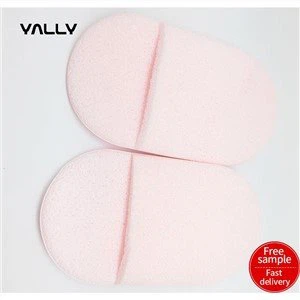
Multi – color sponges are not just a visual treat; they are designed to serve different functions. Some are more abrasive for heavy – duty cleaning, while others are softer for delicate surfaces. These sponges are typically made from materials like cellulose, polyurethane, or a combination of both. The porous structure of sponges is what makes them so effective at soaking up liquids and capturing dirt, but it also makes them a breeding ground for bacteria.
Bacteria such as E. coli, Salmonella, and Staphylococcus aureus can easily find their way into the tiny pores of a sponge. Over time, if not properly disinfected, these bacteria can multiply rapidly, posing a health risk. The multi – color aspect is often just a cosmetic feature added during the manufacturing process, and it doesn’t significantly affect the sponge’s ability to harbor bacteria.
Why Disinfection is Necessary
The environment in which sponges are used is often moist and warm, creating ideal conditions for bacterial growth. In the kitchen, sponges are used to clean up raw meat juices, spills, and dirty dishes. In the bathroom, they come into contact with soap scum, body oils, and other debris. If these sponges are not disinfected regularly, they can spread harmful bacteria to the surfaces they clean.
For example, using a contaminated sponge to wipe down a cutting board after preparing raw chicken can transfer Salmonella to the board, which can then contaminate other foods. In a household with young children, elderly individuals, or people with weakened immune systems, the risk of illness from using an unclean sponge is even higher. Therefore, ensuring the proper disinfection of multi – color sponges is crucial for maintaining a healthy and clean living environment.
Disinfection Methods for Multi – Color Sponges
Microwave Method
One of the most effective ways to disinfect a multi – color sponge is by using a microwave. The high heat generated in the microwave can kill a significant amount of bacteria. To use this method, first, wet the sponge thoroughly. Make sure there are no dry spots, as dry areas can catch fire in the microwave.
Place the wet sponge in a microwave – safe container and heat it on high for about 1 – 2 minutes. The exact time may vary depending on the power of your microwave. After heating, let the sponge cool down completely before handling it. It’s important to note that this method can also cause the sponge to shrink slightly, but it generally doesn’t affect its cleaning performance.
Bleach Solution
A bleach solution is another powerful disinfectant. Mix one part bleach with ten parts water in a container. Submerge the multi – color sponge in the solution and let it soak for at least 5 minutes. After soaking, rinse the sponge thoroughly under running water to remove any residual bleach.
Bleach is effective at killing a wide range of bacteria, viruses, and fungi. However, it can also damage the sponge over time, causing it to become brittle and break apart. It’s best to limit the use of bleach to once a week or as needed.
Vinegar Soak
Vinegar is a natural disinfectant that can be used to clean multi – color sponges. Fill a container with white vinegar and place the sponge in it. Let the sponge soak for about 30 minutes. Vinegar contains acetic acid, which has antibacterial properties.
After soaking, rinse the sponge well. The vinegar smell will dissipate after a short time. This method is a more eco – friendly alternative to bleach, but it may not be as effective at killing all types of bacteria.
Dishwasher Method
If your dishwasher has a high – temperature setting, you can place the multi – color sponge in the top rack and run a normal cycle. The hot water and detergent in the dishwasher can help to clean and disinfect the sponge. However, make sure the sponge is not too large or it may block the spray arms.
Factors Affecting Disinfection
Sponge Material
The material of the multi – color sponge can affect how well it can be disinfected. Cellulose sponges are more porous and may absorb bacteria more easily, but they can also be more effectively disinfected using heat methods like the microwave. Polyurethane sponges are more durable but may be more resistant to some disinfectants.
Degree of Contamination
If a sponge is heavily soiled, it may require a more intensive disinfection method. For example, a sponge that has been used to clean up raw sewage will need to be disinfected more thoroughly than a sponge used for light dusting.
Frequency of Use
Sponges that are used frequently need to be disinfected more often. A kitchen sponge that is used multiple times a day should be disinfected daily, while a bathroom sponge may only need to be disinfected every few days.
Practical Tips for Maintaining Sponge Hygiene
Air Dry
After each use, squeeze out as much water as possible from the multi – color sponge and let it air dry. Bacteria thrive in moist environments, so keeping the sponge dry between uses can help to inhibit bacterial growth.
Replace Regularly
Even with proper disinfection, sponges have a limited lifespan. Over time, the pores of the sponge can become clogged with dirt and debris, making it less effective at cleaning and more difficult to disinfect. It’s recommended to replace your multi – color sponge every 2 – 3 weeks.
Use Different Sponges for Different Tasks
To prevent cross – contamination, use different multi – color sponges for different areas of the house. For example, use one sponge for the kitchen and another for the bathroom. You can also have different sponges for cleaning different types of surfaces, such as countertops and floors.
Conclusion

In conclusion, multi – color sponges can definitely be disinfected. By understanding the nature of these sponges, the importance of disinfection, and the various methods available, you can keep your sponges clean and hygienic. Whether you choose the microwave method, bleach solution, vinegar soak, or dishwasher method, regular disinfection is essential for maintaining a healthy living environment.
Microfiber Vlevet Beauty Sponge As a supplier of high – quality multi – color sponges, I’m committed to providing products that not only look great but also meet the highest standards of hygiene. If you’re interested in purchasing our multi – color sponges or have any questions about their use and maintenance, please don’t hesitate to contact us for a procurement discussion. We’re here to help you find the best sponges for your needs.
References
- "The Microbiome of Kitchen Sponges Harbors Diverse Bacteria and Fungi." Journal of Environmental Health.
- "Effectiveness of Different Disinfection Methods on Sponges." Applied and Environmental Microbiology.
- "Sponge Materials: Properties and Applications." Journal of Materials Science.
Yally Cosmetics Industrial (Huizhou) Co., Ltd.
Yally Cosmetics Industrial (Huizhou) Co., Ltd. is one of the leading multi color sponge manufacturers and suppliers in China. We warmly welcome you to wholesale discount multi color sponge from our factory. All customized products are with high quality and low price. Contact us for quotation and free sample.
Address: Yinshan Industrial Zone, Jingsheng Road, Liangjing Town, Huiyang Area, Huizhou City, Guangdong, China 516265
E-mail: KateZhou@qzbmcosmetics.com
WebSite: https://www.beautyblendsponge.com/
