Hey there! I’m a supplier of plastic fittings, and I often get asked if there are any standards for these things. Well, let me tell you, there definitely are! And in this blog, I’m gonna break it down for you. Plastic Fittings
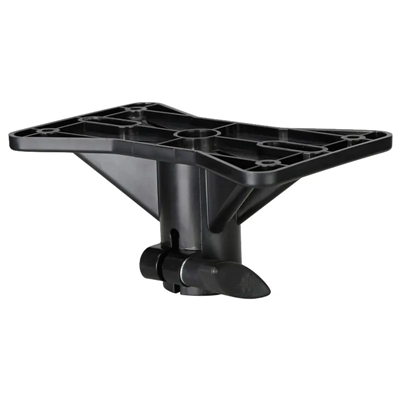
First off, why do we even need standards for plastic fittings? That’s a fair question. You see, plastic fittings are used in a whole bunch of different industries, like plumbing, construction, and manufacturing. They need to work properly and be safe. If a plastic fitting in a plumbing system fails, it can lead to water leaks, which can cause damage to buildings. In industrial settings, a faulty fitting could lead to production stoppages or even safety hazards. So, standards are in place to make sure these fittings meet certain quality and performance criteria.
There are several international and national standards that plastic fittings need to adhere to. One of the well – known international standards is the ISO (International Organization for Standardization) standards. ISO has a whole set of documents for plastic pipes and fittings. For example, ISO 15494 covers thermoplastics valves and fittings for industrial applications. These standards specify things like dimensions, pressure ratings, and material properties. When a plastic fitting meets ISO standards, it means that it has been tested and proven to work as expected under certain conditions.
In the United States, the ASTM (American Society for Testing and Materials) also plays a huge role. ASTM has a long list of standards for plastic pipes and fittings. For instance, ASTM D2467 is for acrylonitrile – butadiene – styrene (ABS) plastic drain, waste, and vent pipe and fittings. The standard determines the physical requirements, like impact resistance and thickness. Plus, ASTM also has standards for testing procedures. This ensures that all the fittings are tested in the same way, so you can compare different products fairly.
Another important aspect is the material standards. Different types of plastics are used to make fittings, and each has its own suitable applications. PVC (Polyvinyl Chloride) is a very common material. It’s strong, durable, and resistant to corrosion. There are standards that define the quality of PVC used in fittings. For example, the PVC should have a certain level of chlorine content and molecular weight to ensure it has the right strength and flexibility.
PE (Polyethylene) is another popular material. It’s often used in water supply systems because it’s non – toxic and can withstand a wide range of temperatures. Standards for PE fittings specify things like the density of the polyethylene, which affects its strength and chemical resistance.
Now, as a supplier of plastic fittings, I know how important it is to follow these standards. When I’m sourcing materials or manufacturing the fittings, I always make sure that everything meets the relevant standards. This not only gives me peace of mind but also my customers. I mean, who wants to buy a product that might not work properly?
But it’s not just about following the standards during the production process. I also make sure that the finished products are tested. We do things like pressure testing to see how much pressure the fitting can handle before it fails. We also check for things like leakage. If a fitting doesn’t pass these tests, it doesn’t go out the door.
One thing I’ve noticed is that some customers might not be fully aware of these standards. They might just focus on the price or the appearance of the fitting. But I always try to educate them. I tell them that a fitting that meets the standards might cost a little more upfront, but in the long run, it’s going to save them money. A high – quality, standard – compliant fitting is less likely to break or cause problems, which means fewer repairs and replacements.
I also understand that different customers have different needs. Some might be working on a small DIY project at home, while others could be involved in large – scale industrial construction. That’s why I offer a wide range of plastic fittings that meet different standards. Whether it’s a simple PVC elbow for a home plumbing repair or a complex PE fitting for an industrial pipeline, I’ve got something for everyone.
In the market, there are unfortunately some suppliers who don’t follow these standards. They might use low – quality materials or cut corners during the manufacturing process to save costs. This can lead to sub – standard products that can cause a lot of headaches. As a responsible supplier, I always try to differentiate myself from these guys. I make sure that my products are of the highest quality and meet all the relevant standards.
So, if you’re in the market for plastic fittings, don’t just go for the cheapest option. Look for products that meet the standards. And if you’re not sure which standards are relevant for your project, just give me a shout. I’m more than happy to help you figure it out.
Whether you’re a professional plumber, a construction contractor, or a DIY enthusiast, having the right plastic fittings is crucial. And by choosing fittings that adhere to the standards, you can be confident that your project will be a success.

If you’re interested in purchasing plastic fittings for your project, I’d love to have a chat with you. We can discuss your specific needs and find the perfect fittings for you. Don’t hesitate to reach out and start a conversation about procurement. I’m here to make sure you get the best – quality plastic fittings for your job.
Plastic Plug References:
- International Organization for Standardization (ISO) documents on plastics pipes and fittings
- American Society for Testing and Materials (ASTM) standards for plastic pipes and fittings
Deqing Fengcheng Plastic Products Co., Ltd.
With abundant experience, we are one of the most professional plastic fittings manufacturers and suppliers in China. We warmly welcome you to wholesale bulk customized plastic fittings from our factory. If you have any enquiry about free sample, please feel free to email us.
Address: No. 18, Yanhe West Road, Yuyue Town, Deqing County, Huzhou City, Zhejiang Province
E-mail: super_fetching@163.com
WebSite: https://www.funchim.com/
