Hey there, welcome to my little corner of the web—if you’re here hunting for how to pick home textile finished products for that gritty, kick-ass industrial-style home, you’re in the right place. I’m [Your Supplier Name, skip the formal company stuff—just roll with the vibe], I’ve been hooking up homes with textile goods for years, and let’s be real, industrial style isn’t just about exposed brick and metal pipes—it’s about nailing those small, intentional touches that don’t feel like they’re trying too hard (looking at you, overpriced “vintage” throw pillows that cost more than a week’s groceries). This post’s gonna be straight talk, no fancy jargon, and perfect for anyone who’s stared at a pile of generic textiles and thought, “Nah, this doesn’t scream garage-meets-loft vibe.” Home textile finished product
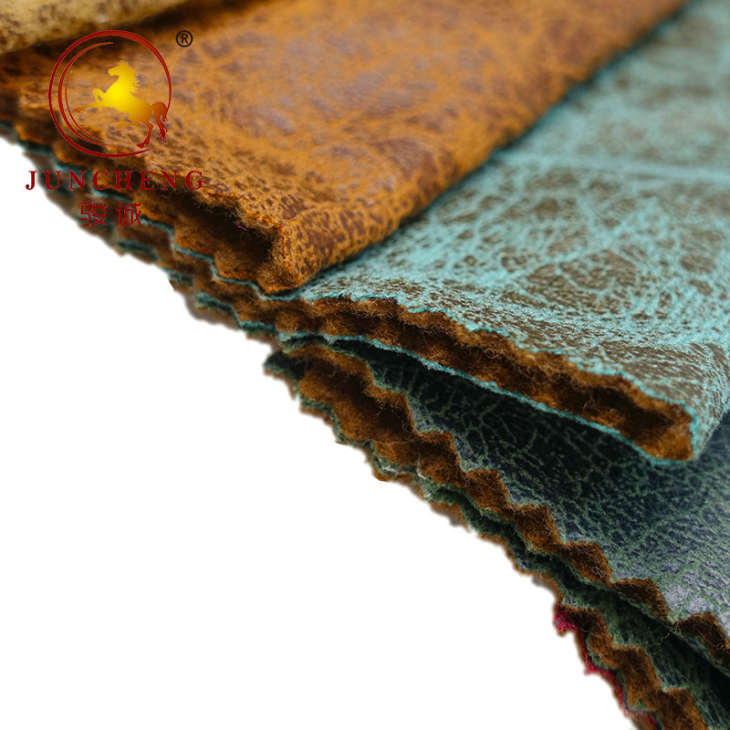
First off, let’s get one thing straight: industrial style’s core is “raw, functional, a little worn around the edges.” So when it comes to home textiles, you can’t go grabbing the same crisp cotton sheets you’d use in a bright boho space. I see so many people mess this up—they see exposed concrete and think “all hard surfaces,” but textiles are the secret to softening that cold, stark industrial look without killing its edge. The key here is balancing toughness with subtle coziness, not turning your loft into a grandma’s living room.
Let’s start with the big ones: bed linens, because that’s the focal point of any bedroom (and let’s be real, the room you spend the most time in). For industrial, you want textiles that feel like they’ve got history—think washed linens, heavyweight cotton canvas, or even aged wool flannel. I always tell customers to skip anything too bright or frilly. Neutral tones are your friends here: think charcoal gray, cream (not bright white—bright white looks too sterile), deep teal, or even a faded rust. Those tones play perfectly with exposed brick’s reds and metal’s grays.
Wait, but why heavyweight? Because industrial’s all about durability, right? Canvas sheets or duvets are tough enough to stand up to daily use, and the more they’re washed, the softer they get—they’ll develop that lived-in patina that’s key for this style. Pro tip from me: if you’re into that “found in an old factory” vibe, look for textiles with subtle, unfinished edges—think raw seams, no fancy piping. Avoid anything with too much lace or embroidery; that’s just gonna clash with the metal and concrete.
Next up: throw pillows and blankets for the living room, the part that trips almost everyone up. Let’s get this clear—industrial pillows aren’t the ones with 12 different patterns. You want solid, textured pillows. Think corduroy, heavy knit, faux leather, or even burlap. Mix and match textures, not colors. For example, a charcoal corduroy pillow paired with a cream chunky knit and a black faux leather one—no prints, just different fabrics that feel rugged.
Blankets? Same rule. Skip the fluffy sherpa (save that for the cabin) and go for wool blankets, cotton woven throws, or even a vintage-looking knit. If you have a leather sofa (super industrial), a wool throw draped over the arm adds that perfect contrast—warm, tough, no frills. I once had a customer come in panicking because his pillow pile looked “too boring” and ended up adding a neon print pillow—let’s just say he came back a week later to swap it. Neon’s fun, but it doesn’t fit industrial. Stick to those muted, earthy tones I mentioned earlier.
Now, what about window treatments? This is another area where people go wrong. They either do super sheer curtains that look nothing like industrial, or heavy velvet that’s too formal. Industrial window treatments need to be functional, not fancy. Think blackout linen shades, heavy canvas drapes, or even metal rod pocket curtains. If you want a little texture, go for a subtle weave—nothing patterned. And skip the fancy curtain rings; plain metal hardware (think black iron, not shiny brass) is the way to go. Shades are great too—they’re easy to adjust, practical for a loft with big windows, and feel more raw than full curtains. I had a customer with a 10-foot window last year; we went with two plain canvas panels hung high and wide, and it made the space feel way bigger without being over the top.
Don’t forget smaller textiles—towels in the bathroom, table runners for the dining area, even rug pads. For the bathroom, same vibe: heavyweight cotton towels, not those thin, fluffy ones. Charcoal, navy, or cream, with no logos or frills. I supply a line of “distressed” towels that have a slight faded look—they sell like hotcakes for industrial bathrooms. Table runners: canvas, burlap, or even faux leather. Again, no patterns. And rugs—this is huge. Industrial rugs shouldn’t be super soft shag or bright patterned. Go for jute, cotton woven, or even a vintage wool rug that looks like it’s been around a while. Neutral tones, maybe a subtle stripe, but nothing loud. A jute rug under a leather dining table? Chef’s kiss. It adds a layer of softness without taking away from the metal and concrete.
Wait, let’s talk about one common mistake I see all the time: over-doing it on the “worn” look. Industrial style is about intentional wear, not actual garbage. You don’t want a duvet that’s falling apart at the seams—you want one that’s designed to look like it has history, not is falling apart. I always tell customers to test the fabric: if it feels cheap or thin, it’s not gonna hold up, and it’ll look tacky. Good industrial textiles feel solid, have weight to them, and the “worn” look is subtle, not obvious.
Another thing: mixing materials. Industrial style is all about contrasting tough and soft, but you have to make sure the textiles match the rest of the space. If you have dark metal light fixtures and exposed brick, a cream linen duvet is perfect. If you have chrome pipes (yes, some industrial spaces have chrome), a black faux leather pillow works. The key is that all textiles should have that same rugged, unpolished vibe. No shiny satin pillows—they look way too fancy for industrial.

Let’s wrap this up with a quick checklist, because I know you’re probably taking notes:
- Stick to neutral tones: charcoal, cream, deep teal, faded rust, navy. No bright colors.
- Pick heavy, durable fabrics: linen, canvas, wool, corduroy, burlap. Avoid thin, frilly fabrics.
- Skip the frills: no lace, embroidery, logos, or loud prints. Textures are your friend, not patterns.
- Prioritize function: window treatments should be easy to adjust, bed linens should be comfy but tough.
- Balance softness and edge: use textiles to soften concrete and metal, but don’t turn the space cozy to the point it loses its industrial grit.
Mat At the end of the day, choosing the right home textiles for industrial style is about staying true to the core of the look—raw, functional, a little worn, and totally you. If you’re still stuck, or want to check out some of the textiles I’ve been working on (those distressed linen duvets? Game changer), hit me up for a chat about procurement. No sales pitches, just straight advice and good quality stuff that fits exactly what you’re going for.
References
- Architectural Digest. (2022). Industrial Design 101: Core Elements of the Style.
- Interior Design Magazine. (2023). Textile Choices for Modern Industrial Interiors.
- Textile Industry Association. (2021). Durability and Aesthetic Balance in Residential Home Textiles.
- Loft Living Collective. (2022). Curating Soft Surfaces for Raw Urban Spaces.
Haining Juncheng Textile Co., Ltd.
Haining Juncheng Textile Co., Ltd. is well-known as one of the leading home textile finished product manufacturers and suppliers in China, featured by our all kinds of fabric. Please feel free to wholesale high quality home textile finished product made in China here from our factory.
Address: NO.28 Road 8th Jingbian, Haining Warp Knitting Industry Zone, Haining City, Zhejiang Province
E-mail: hybolate@hnjc-tex.com
WebSite: https://www.supplierfabric.com/
