Hey there, it’s Jake from your go-to commercial cooling gear crew – the one you call when your rooftop AC’s acting up mid-summer or your walk-in fridge’s been making weird gurgly noises that scare your night shift. Lately, I’ve been getting so many calls from shop owners, restaurant managers, and warehouse heads asking the same thing: “Why is my cooling equipment rusting out way before it should?” Let me tell you, corrosion isn’t just a cosmetic issue – it’s the silent killer of commercial cooling units. I’ve seen walk-in coolers die in 3 years when they should last 8+, just because someone skipped a few simple steps. Today, I’m breaking down exactly how to stop that from happening – stuff I’ve learned from fixing hundreds of units, not just textbook jargon. Commercial Cooling Equipment
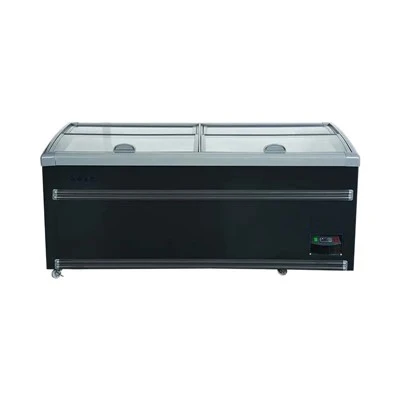
First off, let’s get real about what corrosion actually does to commercial cooling gear. For restaurants, that rust on the condenser coils or frame means your unit works harder, guzzles more electricity, and might suddenly quit when you’re prepping for a big weekend rush. For warehouses storing perishable goods, a corroded evaporator coil can throw off the temperature so bad you lose pallets of frozen inventory. And let’s not even get started on the costs of emergency repairs or replacing a unit way ahead of schedule – that’s the stuff that eats into your profit margins faster than a customer with a free appetizer coupon.
Wait, before I dive into fixes, let’s chat about the usual culprits here. Most people think it’s just “being outside” or “old equipment,” but nah. It’s usually environmental factors mixed with lazy maintenance and cheap installation shortcuts. Salt air near coastal cities? That’s a massive corrosion trigger – even a little bit of salt from the ocean (or road salt in winter for northern guys) eats through metal like nothing. Humidity, especially in places like the Southeast, can leave moisture sitting on coils for days, turning into rust. And if your drain lines are clogged or your condenser isn’t getting enough airflow? You’ve got a recipe for moisture buildup that’s just asking for corrosion.
Okay, let’s get to the good stuff – the actual ways to prevent this. I’m gonna split this into 4 actionable, no-bullshit steps that anyone can do, no fancy lab equipment required.
First up: Stay on top of regular, customized maintenance. I know, I know – “regular maintenance” sounds like every sales pitch ever, but hear me out. Most techs do a once-over every 6 months, but if your unit’s near the ocean or in a super humid spot, you need more frequent checks. For example, I work with a sushi place in Miami that gets its units checked every 3 months because of the constant salt and humidity. What does that maintenance actually include? Wiping down the metal frames and coils with a mild, non-corrosive cleaner (avoid harsh chemicals that will eat at the metal too, trust me) – get into all the nooks where dust and moisture hide. Check your drain lines monthly, too. A clogged drain means water sitting in the pan, which leads to rust on the pan and coils. If you see even a tiny bit of standing water, clear it right away with a little brush and hot water. And don’t skip the coil fins – bent fins block airflow, which makes the unit work harder and traps moisture. A fin comb (cheap, like $10 at any supply shop) will fix that in 2 minutes. Pro tip: Keep a maintenance log. Jot down when you cleaned coils, fixed drains, or noticed anything off. That way, you can spot patterns – like if corrosion starts spiking after a big snowstorm (road salt = bad news).
Second: Pick the right materials and protective coatings when installing or replacing gear. This is where a lot of people cut corners, and it comes back to bite them. When we install new commercial cooling units, we don’t just grab the cheapest stainless steel or aluminum. Wait, not all stainless is created equal – there’s 304 stainless, which is standard, but 316 stainless is way more corrosion-resistant, perfect for coastal areas or places where road salt gets tracked in. For frames that are more exposed, we use a powder coating that’s baked on – it’s way tougher than regular paint, doesn’t chip as easy, and seals out moisture and salt. If you already have units that aren’t coated well, you can always have a protective coating applied later – it’s not cheap, but way cheaper than replacing a rusted unit. Also, make sure your unit is installed with proper drainage sloped correctly. If the drain pan isn’t tilted just right, water will pool, no matter how often you clean it. I’ve seen so many guys cut corners on installation, then wonder why corrosion hits 2 years later. That’s why we never skip double-checking slopes when we set up a new unit – it’s a 10-minute step that saves thousands.
Third: Control the environment around your cooling unit. You might not think the area around your condenser matters, but it does. If your condenser is tucked behind a pile of pallets or under a deck where air can’t flow, it gets way hotter and more humid, which speeds up corrosion. Keep at least 2 feet of clear space around the top and sides of your condenser – no clutter, no bushes, no random stuff. For coastal locations, we even add a little wind shield made of plastic or metal that’s not too thick, so salt air hits it instead of the unit directly. In winter, when road salt is flying, I know it’s tempting to just let it go, but hosing down the unit once a week (as long as power is off, obviously) gets rid of salt residue before it can eat through metal. For indoor units, like those in a restaurant’s back kitchen, keep the area around them dry – no leaks from pipes, no spilled soda or water that can leave moisture sitting. Last year, I had a café owner whose walk-in fridge was corroding because they kept spilling iced tea on the floor near the unit, and the moisture seeped up into the base. Fixing that spill issue and wiping the base weekly stopped the corrosion cold.
Fourth: Monitor for early signs of corrosion so you can fix it before it gets bad. Don’t wait until you see a big rust spot to act. What should you look for? Tiny white or brown powdery spots on the coils or frame – that’s rust starting. If you touch a spot and it leaves a chalky residue, that’s a warning. Also, if your energy bill goes up for no reason, that could be from corroded coils making the unit work harder. A quick check once a month with a flashlight – shine it in the drain pan, look at the base of the condenser – will catch those tiny spots before they turn into big problems. When you do spot early corrosion, don’t just ignore it. Use a wire brush (soft, so you don’t damage the metal) to gently scrape off the surface rust, then apply a rust inhibitor primer made for metal, then a matching paint or coating. It takes 15 minutes, and stops the rust from spreading. I’ve saved so many units that would’ve been replaced just by catching rust at the powdery stage.
Wait, let’s talk about common mistakes I see all the time. One of the biggest is using the wrong cleaners. A lot of guys go for heavy-duty degreasers to clean coils, but those can strip away the protective coatings on metal, making corrosion worse. Stick to mild, pH-neutral cleaners made specifically for cooling equipment – we keep them in stock, so if you need a bottle, just shoot me a message. Another mistake is skipping winter prep for northern climates. Road salt is the worst – it can turn into a brine that’s super corrosive when it splashes up on the unit. Hosing down the unit after a snowstorm, or covering it with a breathable cover (not a plastic tarp, which traps moisture) will keep salt off. And for warehouse guys, if you use forklifts that track salt or mud in, sweep the area around the unit regularly – that stuff gets kicked up and sticks to the coils.
Let me give you a real example to prove this works. Last year, I worked with a grocery store in Chicago whose rooftop condenser was rusting so bad, the tech said they’d need to replace it in 18 months. We did a full deep clean of the coils, cleared all the drain lines, added a powder coating touch-up to the frame, and started a quarterly check schedule. We also told their maintenance team to hose down the unit every week during salt season. Now, a year later, that unit is still going strong, no new rust spots, and their energy bill is down 12% because the coils aren’t corroded anymore. That’s the kind of win I love to see – small steps, big savings.
I know some of you are thinking, “This sounds like a lot of work. Can’t you just sell me a unit that doesn’t rust?” Sure, we can install units with 316 stainless and top-tier coatings, but even the best unit will corrode if you skip maintenance and ignore the environment. It’s like buying a nice jacket – you can’t leave it in the rain and expect it not to get wet, right? Same logic here. The good news is, all these steps are super easy, and once you get into a routine, they don’t take much time at all.
If you’re already noticing corrosion on your commercial cooling gear, don’t panic. We offer quick inspections, minor repairs to stop corrosion, and even full preventive maintenance plans tailored to your specific setup – whether you’re a small café with one walk-in fridge, a grocery store with multiple rooftop units, or a warehouse with industrial cooling systems. No one wants to deal with an unexpected breakdown that costs them sales, so being proactive is the best move.
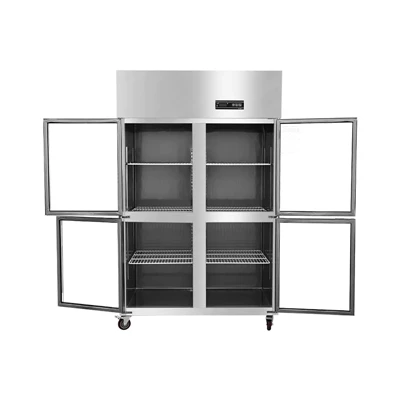
At the end of the day, corrosion doesn’t have to be a nightmare. It’s preventable with consistent, simple steps, and a little attention to your equipment. If you need help assessing your current setup, picking the right coatings or maintenance plan, or just have questions about stopping rust on your units, hit us up to chat. We’re here to help you keep your cooling gear running for years, not just a couple of years.
References
Back Bar Cooler ASHRAE Handbook: HVAC Systems and Equipment, 2022.
National Comfort Institute, "Corrosion Prevention in Commercial HVAC/R Systems," 2021.
U.S. Department of Energy, "Minimizing Corrosion in Commercial Refrigeration Equipment," 2020.
CoatingsTech, "Protective Coatings for Metal HVAC Components," 2023.
Zhejiang Xingbao Electrical Appliances Co., Ltd.
As one of the most professional commercial cooling equipment manufacturers and suppliers in China, we also support customized service. Welcome to wholesale bulk high quality commercial cooling equipment in stock here from our factory. If you have any enquiry about pricelist, please feel free to email us.
Address: No. 10 Baisha Road, Lianhang Development Zone, Chang’an Town, Haining City, Jiaxing City, Zhejiang Province, China
E-mail: zjxingbao@gmail.com
WebSite: https://www.sunborncn.com/
