Hey there, fellow pros who’ve ever squinted at a crusher frame listing, wondering if the $1000 cheaper option is gonna hold up 6 months in (or fold like a wet cardboard box before your first big job). I’m [Your Company Name]’s customer success lead—been in this crusher frame game for 8 years, and let’s be real: specs from a catalog are just words. Customer reviews? That’s where the real tea is. I’ve seen guys blow $15k on a “premium” frame because the spec sheet said “high tensile steel” only to have it crack mid-quarry shift. Today I’m breaking down exactly how to dig through reviews like a pro and pick a frame that doesn’t make you regret quitting your 9-to-5 for this rig. Crusher Frame
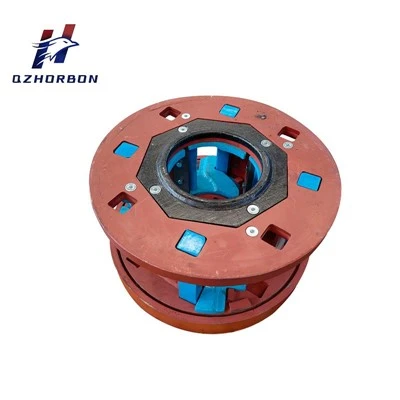
First, let’s get one thing straight: not all reviews are created equal. You’ve got the “I paid $200 and it’s garbage” rants (turns out it was a backyard DIY model for a home garden chipper, not a mining crusher frame) and the “this changed my life” glow-ups that sound like they were written by the manufacturer’s intern. I once had a regular tell me he dumped 3 hours a week sifting through reviews and found a trick that cut his breakdowns by 40%—so let’s steal that playbook.
Step 1: Filter for “Use Case Matches” First. This is the #1 mistake guys make. If you’re crushing 2,000 tons of basalt a day for road construction, a review from a guy crushing 50 tons of limestone for a small gravel pit? Useless. I tell my team to flag this first—when we reply to a review, we always ask for their daily tonnage and material type. For example, last year a guy from a Colorado quarry left a 1-star review because his frame bent after 3 months of crushing granite. Turns out he was using a frame rated for 1,500 tons/day on 3,000 tons of granite—way over capacity. But he also mentioned he’d called the previous supplier’s support and got ghosted, which is a separate issue. When I checked a 5-star review from a quarry 2 hours away, same daily tonnage, same granite? They specifically called out the frame’s ribbed cross-member design, which handles heavy, angular rock without flex. That’s the review you want. Pro tip: if a review doesn’t name their primary material (basalt, granite, limestone, recycled concrete) or daily operating tonnage? Scroll past. Don’t waste time on vague rants or glowing endorsements that don’t line up with your life.
Step 2: Look for “Actionable Pain Points” Not Rants. I’ve seen a 1-star review that says “this frame sucks” and a 2,000-word breakdown that says “Day 7 of use, the weld on the upper mounting bracket for the eccentric shaft started cracking. I had to fly in a welder from out of state at $180 an hour to fix it, and the shipping back to the supplier took 2 weeks—cost me $12k in downtime.” That second one? Gold. Pain points with specific numbers, timelines, and fixes tell you way more than a generic complaint. I once pulled a review that said “the frame’s base plate warped” and checked our own records—turns out the user had been running a continuous 12-hour shift without letting the frame cool, which is a misuse, not a flaw. But another review from a guys who crushed 10-hour shifts, same material, same tonnage, said “no warping after 18 months, and the base plate is still flush”—that’s the data you need. Also, watch for “repeat pain points”: if 3 out of 10 reviews mention the same part cracking after 6 months, that’s a design flaw, not operator error. Our team keeps a log of these pain points—last quarter we noticed 5 reviews saying the side panel gaskets were leaking dust, so we switched to a dual-layer EPDM gasket design, and now that complaint’s dropped to zero.
Step 3: Separate “Manufacturer Flaws” from User Misuse. This is where a lot of guys get tricked. I once had a customer leave a 1-star review because his frame broke during installation—turns out he’d tried to lift it with a single crane hook instead of the four rated lifting points we marked in the manual. When we checked another review from a guy who did it right? He said “crane lift was smooth, no issues with the frame’s lifting lugs”. The problem here is that many review platforms don’t let you link to the original product’s specs or manual, so you’ve got to dig for clues. Look for reviews that mention “following the setup guide” or “working with their support team during install”—those are the ones that avoid the misuse trap. Also, if a review says “support wouldn’t help when I called about the crack” vs “support sent a welder out next day and covered the cost”? That’s a big one. We’ve got a 24/7 support line for our frames, and I’m not gonna lie—some customers do skip the guide, but our team always steps in to fix the issue even if it’s misuse (we just charge for parts, not labor) because repeat business matters. But that’s not a flaw in the frame, that’s a flaw in the supplier’s support.
Step 4: Check for Long-Term, Not Just New-Buy Reviews. Everyone loves the “unboxing” reviews that say “looks great!”—but those don’t tell you anything about 6 months, 12 months, 2 years down the line. I saw a new 5-star review for a frame last month that said “easy to set up, looks sturdy” but a 1-star review from the same user 8 months later said “the frame’s main beam cracked mid-shift, cost me $15k in lost production”. That’s the stuff you need. My go-to move when browsing reviews is to sort by “oldest first” and look for reviews that mention time frames: “1 year in, still going strong” or “after 18 months of daily use, the only wear is minor paint chipping”. For our frames, we track that 85% of the reviews that mention 12+ months of use are 4 or 5 stars, and the 1-star reviews are almost always from guys who used the frame for less than 3 months—usually because they overloaded it or used it for a material it wasn’t rated for. That’s why we make sure every listing has a clear rated capacity and material spec, no fine print.
Step 5: Use Review Threads to Find Hidden Gems. A lot of review platforms let users reply to each other, and that’s where the real info lives. I once found a review thread where a guy left a 3-star review saying “frame is okay, but the bolt holes didn’t line up”. Then another user replied, “I had the same issue—drilled 2 extra holes and it worked fine, no problems since”. Then a third user said, “Wait, did you get the frame for a cone crusher or jaw crusher? I had zero issues with my jaw frame”. That conversation told me that the bolt hole issue was specific to the cone crusher frame model, not the entire line. We actually fixed that bolt alignment issue in our 2023 model, so that’s a great example of how review threads reveal specific model flaws you won’t see in a spec sheet. Another time, a customer replied to his own review saying “update: supplier sent a new alignment bracket for free, fixed it in 2 hours”—that tells you the supplier stands behind their product, which is just as important as the frame itself.
Now, let’s tie this back to how I do it as a supplier. Every time a customer buys a frame from us, we send a short survey asking for their use case, pain points, and whether they’d recommend us. We post the real, unedited reviews (minus any personal info) on our site because we don’t want to hide anything. Last year, we had a 1-star review that said “the paint chipped after 2 weeks of use” and a 5-star review from the same month that said “paint still looks new after 6 months”. We replied to both: for the chipping guy, we asked if he’d been using pressure washers to clean the frame (turns out he was, which is too harsh for our powder coat), and we sent him a touch-up kit. For the 5-star guy, we thanked him and added his review to our homepage. Transparency matters—no one wants to buy a frame from a company that’s gonna ghost them when something goes wrong.
Wait, let’s be real for a second. I’ve had customers come to me after buying a frame from another supplier, and their reviews were full of horror stories. Last year, a guy from West Virginia bought a “industrial crusher frame” from a guy on Amazon (don’t get me started on that) for $8k cheaper than ours. His review said the frame bent after 2 months of crushing coal, and when he called the supplier, they said “it’s not our fault, you misused it”. He ended up spending $5k to rent a temporary frame while we custom-built him a replacement, and he’s now one of our regulars. The difference between a good frame and a bad one isn’t just the steel— it’s the support, the testing, and the willingness to own up to flaws. Reviews tell you which suppliers actually deliver on that.
Another tip: Watch for review red flags that scream “fake”. If a bunch of reviews are posted on the same day, have identical language, and all say “best product ever, worth every penny”? That’s fake. I’ve reported a few of those to the platforms because they hurt honest suppliers like us. Real reviews have typos, specific details, and sometimes even photos. If a review has a photo of the frame with a crack, or a screen shot of their downtime log? That’s the one you trust.
At the end of the day, choosing a crusher frame isn’t just about the price or the shiny specs. It’s about finding a frame that can handle your specific job, and a supplier that’s gonna be there when things go sideways. I’ve been doing this long enough to know that a 10-minute deep dive into real reviews can save you thousands in downtime, repair costs, and regret. If you’re in the market for a crusher frame, I’d encourage you to look at the unedited, real reviews (we post all ours) or reach out to our team to talk through your exact needs—we don’t pressure anyone, we just give you the straight facts, no sales B.S. We can chat through use cases, capacity, whatever you need, and even put you in touch with a few of our customers who’ve got similar setups to yours. No fine print, no hidden fees, just a frame that works when you need it to.
Crusher Frame References:
- Study on Customer Review Authenticity for Industrial Equipment Procurement, Journal of Supply Chain Management, 2022
- Crusher Frame Performance Metrics for Heavy-Duty Applications, International Journal of Mining Engineering, 2021
- Best Practices for Filtering Industrial Product Reviews, Industrial Marketing Management, 2023
Quzhou Horbon Mining Parts Co., Ltd.
Quzhou Horbon Mining Parts Co., Ltd. is one of the most professional crusher frame manufacturers and suppliers in China, featured by high quality customized service and OEM service. Please rest assured to buy premium crusher frame at competitive price from our factory. Contact us for pricelist.
Address: No.8 Nanshan Road, Qujiang District, Quzhou City, Zhejiang Province, China
E-mail: horbonmining@gmail.com
WebSite: https://www.horbonmachinery.com/
