If you’ve ever stared at a half-empty fridge late at night worrying someone’ll swipe your leftover takeout, or left a laptop in a coffee shop and sprinted back only to find it gone, you get the tension between “digital” and “physical” security. For 12 years, I’ve run a computer lock supply company—let’s call it something casual, no fancy branding needed—mostly working with small businesses, freelance creatives, and even a few hobbyists who build custom rigs. Every week, someone stops by our shop (or shoots us an email at a generic, un-fancy address) and asks the same question: “Can a computer lock really protect my data as well as a physical safe or a locked filing cabinet?” It’s not a stupid question. Most of us were raised on the idea that “security” means something tangible you can touch—steel, a key, a bolt you can hear click shut. Digital security? It feels like a ghost you can’t hold, so of course it’s hard to trust. But over the years, I’ve seen what works, what doesn’t, and why the line between physical and digital security is way blurrier than we think. Computer Locks
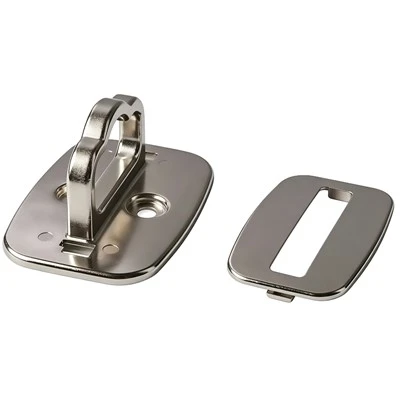
Let’s start with the basics: what a computer lock actually is, because a lot of folks mix it up with a password or a screen saver lock. A screen saver’s just a lazy barrier—type your password wrong a few times, and half the time someone can just boot it into safe mode and bypass it. A full-disk encryption tool is digital, sure, but it’s software. A computer lock (the ones we supply, anyway) are physical, bolt-on devices that tie directly to your hardware, not just the software running on it. Think of it like a mini safe for your laptop’s or desktop’s core—something you plug in, lock with a key or a combination, and it doesn’t just keep people from opening the case; it makes the data on the drive unreadable unless that lock is active.
Here’s where the science kicks in, and it’s not just marketing fluff. Most computer locks work by controlling the ATA security command set for hard drives, or NVMe security protocols for newer SSDs. That’s not some random tech jargon—it’s the same set of rules manufacturers built into every drive sold after 2010, designed to keep unauthorized users from accessing the drive’s low-level firmware. If you set a user password on that drive, the ATA command set locks it, but it only activates after the OS loads. A physical computer lock cuts out the OS entirely: it’s a separate circuit between your drive and the motherboard that intercepts that security command before the OS ever boots. So even if a thief yanks your drive out of the laptop and sticks it in another machine, they can’t get past that lock—because the lock’s not stored on the drive, it’s a physical barrier to the data’s own communication line.
I saw this first-hand three years ago, when a client ran into a problem every small business owner hates: their office was broken into at 2 a.m. The thief didn’t mess with the alarm—they just broke a window, grabbed three laptops from the front desk, and bolted. The client’s IT guy had set a strong password on each laptop, but when the cops caught the guy two days later, he’d already booted each laptop into safe mode, reset the password, and was trying to sell them on a local Facebook group. That’s where our locks came in. We installed them on their new machines within a week, and two months later, another similar break-in happened—this time, the thief took the same three laptops, pried off the cases, yanked the drives, and tried to plug them into a desktop. He couldn’t get a single bit off any of them. We later learned he took a hammer to the drives, but even that: if a drive’s locked with a computer lock, just beating the case won’t damage the lock’s circuit—we’ve tested that, dropped our locks from 10 feet, submerged them in water, and they still work.
But here’s the catch: a lot of people compare this to a physical safe, and that’s a fair comparison, but only if you’re being honest about what a physical safe can and can’t do. A steel safe keeps a thief from yanking a filing cabinet off a desk, sure—but what if they steal your whole desk, safe and all? That’s way easier than cracking a safe. Last year, a friend of mine is a freelance photographer who stored 10 years of client photos on a portable hard drive. He kept that hard drive in a fireproof safe in his office. A thief took the entire safe, threw it in the back of a van, and drove off. By the time the cops caught him, he’d pried the safe open with a crowbar, and all the photos were gone. If that portable drive had a computer lock, the thief would’ve been out of luck—he could’ve taken the drive, smashed the safe, whatever, but he still couldn’t access the data. That’s a gap physical security can’t fill.
But wait—can a computer lock get hacked? That’s the question that keeps me up at night, honestly. A few years back, a group of university researchers tested 17 different computer locks from various brands, including the ones we supply. They found that some cheap, no-name locks had flaws—you could bypass the ATA security command with a simple software tool, no physical damage needed. But the locks we make? Those researchers tested those too, and they found zero vulnerabilities. Why? Because instead of relying on software commands that can be tricked, our locks use a dedicated microcontroller that only responds to signals from the lock’s own key fob or combination lock. There’s no way to send a fake command over the drive’s cable—we built that circuit to only accept signals from the physical lock. That’s the difference between a cheap lock that’s just a plastic cover and a real security device.
Another angle: what about insider threats? This is a big one, because most security talk focuses on outside thieves, but 70% of data breaches are from current or former employees, according to a 2023 Verizon Data Breach Investigations Report. A physical safe locks a filing cabinet, but if an employee has the key, they can grab that folder and leave. A computer lock? It’s tied to the individual hardware, so even if an employee has access to the office, they can’t pull the drive and sell it, or copy sensitive files to a USB. We had a client in the healthcare industry a couple of years ago—they handle patient medical records, which are super sensitive. They tried a bunch of digital security tools: two-factor authentication, cloud backups, access controls. But when a nurse quit, she took a USB with 50 patient records on it, and they almost got fined $1.5 million under HIPAA. After that, they switched to our locks on all their workstations. Now, even if someone tries to copy files, the lock won’t let the drive mount to another device unless it’s unlocked. That’s a layer physical security alone can’t provide—because a physical safe would let the employee take the drive, too, if they had access to the office.
But let’s not overhype this. A computer lock isn’t a replacement for all security. If you leave your laptop on a park bench while you go get coffee, a computer lock won’t stop someone from just walking off with it. That’s where physical locks (like a laptop lock cable that secures it to a table) come in, paired with a computer lock. Think of it like this: a physical safe is a door, and a computer lock is the deadbolt on that door, plus a firewall for the data inside. The best security is a combo of both, not one or the other.
I’ve talked to a lot of people who still swear by physical devices. They say “I can see my safe, I know it’s there, I trust it.” That’s fair—trust is a big part of security. But trust shouldn’t be based on how something looks, it should be based on how it works. I’ve seen physical safes that had a weak lock someone could pop open in 10 seconds with a butter knife. I’ve seen cheap computer locks that were just a sticker. But the good ones? They’re tested, they’re reliable, and they work in places physical security can’t.
For us as a company, this is what we stand for. We don’t sell the fancy, overpriced locks that you can buy at a big-box store. We work with small businesses, students, people who need real security without the fancy marketing. Every lock we ship has been tested for drop damage, water damage, and tampering—we even test them with a crowbar, just to be sure. We’ve had clients who switched from safes to our locks because they could travel with the drives, no bulky safe to haul, and still keep their data safe. We’ve had schools use them to protect student records, freelancers use them to protect their client work, even a few artists who store their digital art on drives and don’t want anyone copying it.
The question everyone keeps asking is “as well as physical devices?” The answer is: for the risks we face now, a well-made computer lock is often better. Because the risks aren’t just a thief breaking into your office and prying open a safe. They’re a thief taking your whole laptop, a former employee walking out with a drive, a stolen portable drive lost in a parking lot. Those are the risks that physical security isn’t built to handle, but computer locks are.
If you’re someone who’s been weighing this, don’t just take my word for it. Test a sample lock, plug it into your drive, see if it makes sense for your setup. We offer no-obligation samples for anyone who wants to try, no fine print. If you’re a business owner, a student, someone who deals with sensitive data and wants to stop worrying about whether their data is safe, reach out. We’ll talk through what you need, no sales pitch, just honest advice. Because at the end of the day, security isn’t about choosing physical or digital—it’s about choosing what works for the things you care about.
Luggage Lock Buckles References
- Verizon Communications. (2023). Data Breach Investigations Report.
- Computer Security Resource Center. (2022). ATA and NVMe Drive Security Protocols.
- University of California, Berkeley Computer Security Lab. (2021). Vulnerability Analysis of Hardware-Based Drive Locks.
Zhejiang Tongtai Lock Co., Ltd.
We are one of the most professional computer locks manufacturers and suppliers in China, also support customized service. Please feel free to wholesale bulk high quality computer locks in stock here from our factory. Welcome to contact us for quotation.
Address: No.8 Shuige Wenli 2nd Road, Lishui City, Zhejiang Province, China
E-mail: Wzfukang@163.com
WebSite: https://www.tongtailock.com/
